What a Newquay surf charity found when it took therapy inland
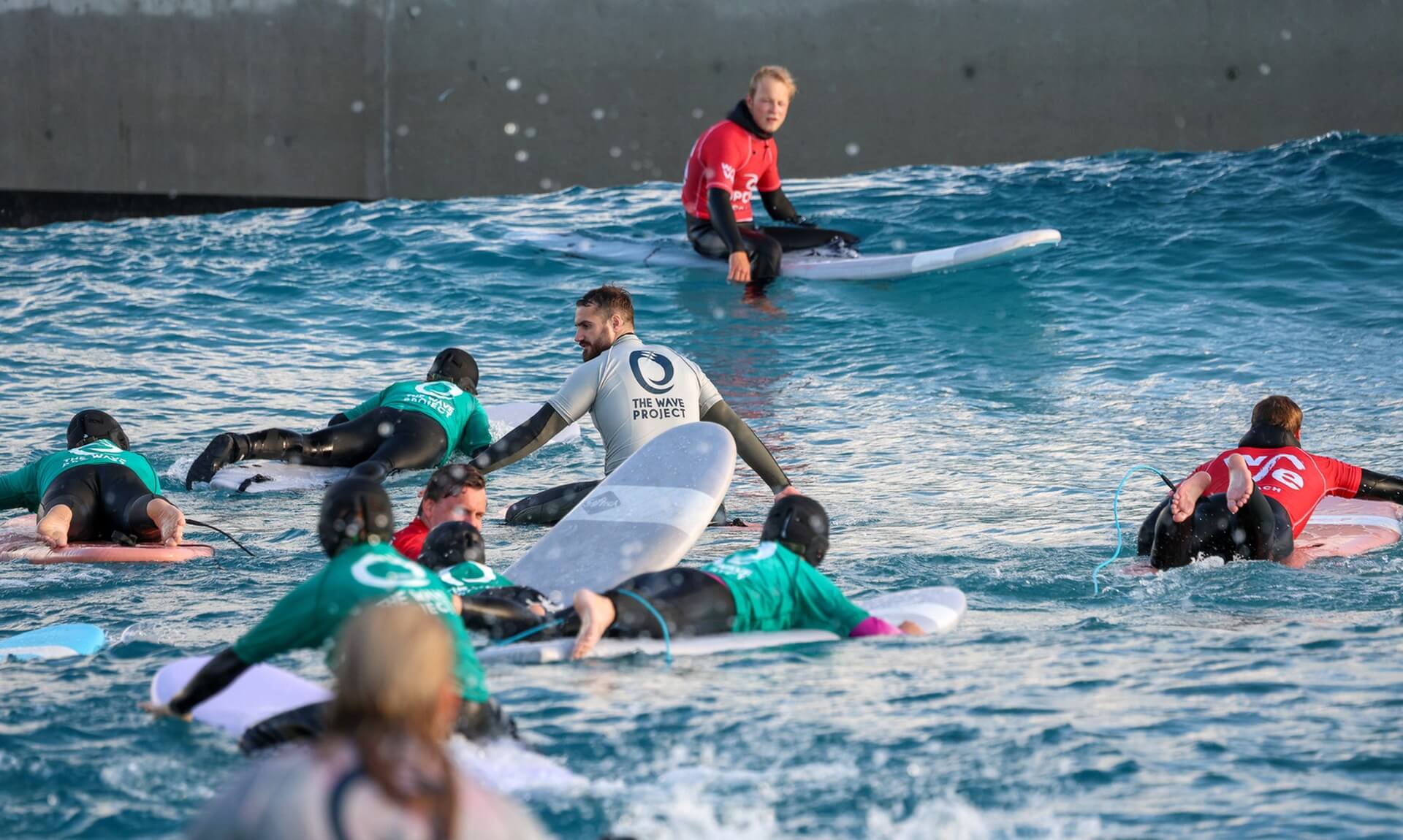
Most of the young people The Wave Project works with have the Atlantic on their doorstep. So what happens when the sea is hours away and the only wave within reach is made by a machine?
The Newquay-based charity has tried to answer that. The Wave Project compared young people surfing at 22 beach sites across the UK with those taking part at two inland wave pools, in what it describes as a world-first evaluation for Surf Therapy. Every outcome it measured improved significantly in both settings.
Your daily dose of Cornwall
News, events and goings on across the Duchy
Beaches against wave pools
The charity, which is based on Fore Street in Newquay, runs six-week Surf Therapy programmes for children and young people aged 8 to 18 who are struggling with their mental health, emotional wellbeing, confidence or social connection. It operates across 15 hubs and 22 delivery sites.
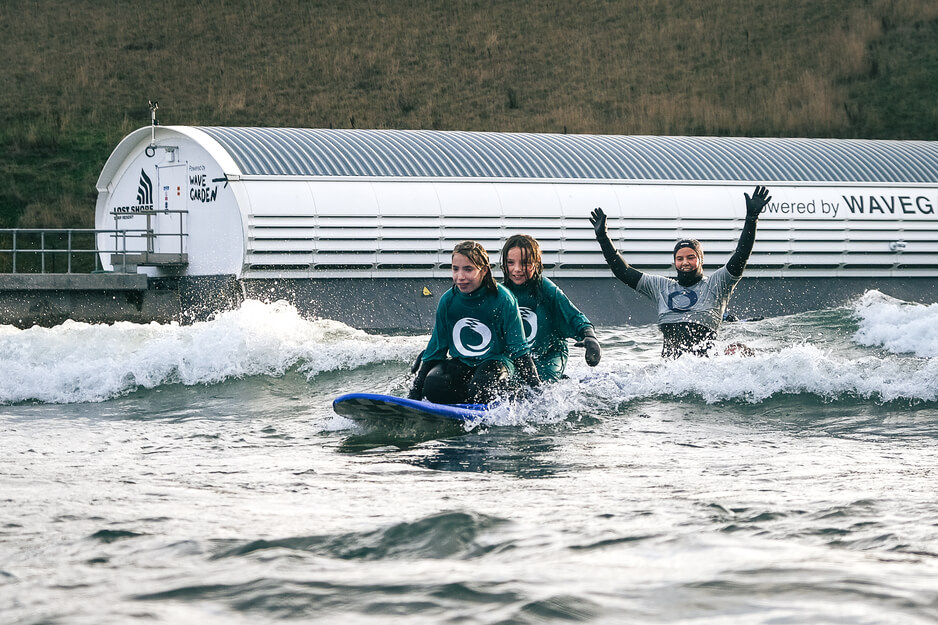
The evaluation looked at data from 360 young people during the 2025 season. Of those, 302 surfed on beaches and 58 at inland wave pools: The Wave near Bristol and Lost Shore Surf Resort near Edinburgh, where The Wave Project is the chosen youth Surf Therapy partner.
Young people filled in questionnaires at the start and end of the programme. Five things were measured: emotional wellbeing, belief in themselves, their ability to keep going through difficulties, pride in their achievements, and how connected they felt to other people.
What the numbers showed
All five improved significantly in both settings. For four of them (self-belief, perseverance, pride and connection to others) there was no significant difference in the size of the improvement between beach and wave pool.
Wellbeing was the exception. On the WHO-5 Well-Being Index, which runs from 0 to 100, beach participants rose from an average of 56.4 to 76.5, a gain of 20.1 points. Wave pool participants went from 62.5 to 73.1, up 10.6 points. Both rises were significant, but the beach gain was significantly larger.
The report is careful with that one. The inland group started with higher wellbeing scores, other differences between the two groups may have played a part, and the evaluation cannot say the coastal environment itself caused the bigger jump. By the end of the programme, both groups had reached broadly similar levels.
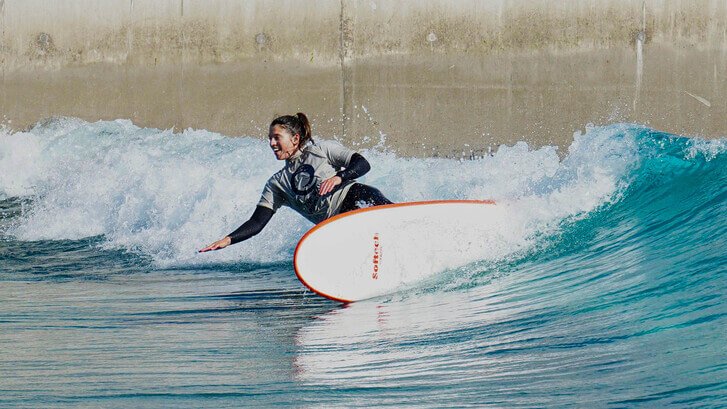
Where the beach pulled ahead
Almost everyone had fun, 99.3% on beaches and 98.3% at wave pools. Feeling valued, learning something new and being able to be themselves all scored highly in both settings too.
Friendship was different. 81.5% of beach participants said they made new friends, compared with 69.0% at the wave pools. It was the only part of the experience with a statistically significant gap.
A wave pool practitioner suggested beach sessions may leave more informal time for young people to connect between sets or on flatter days, while wave pool sessions run to a tighter schedule with a wave every few minutes. The charity is clear that this is a practitioner’s view and that the evaluation did not test why the difference appeared.
There are other limits. The study used routine programme data with no comparison group of young people who did not take part, so it shows change during the programme rather than proving Surf Therapy alone caused it. The wave pool group was also much smaller. The full report is on The Wave Project’s impact page.
Your daily dose of Cornwall
News, events and goings on across the Duchy
Reaching young people further from the coast
Ramon Van de Velde, CEO of The Wave Project, said: “This is a world-first piece of research for Surf Therapy and we’re incredibly proud that The Wave Project has been able to lead on it.
“What the research shows is that, while coastal and inland settings aren’t identical, young people experienced significant positive outcomes in both. At a time when children’s mental health services are under enormous pressure, we need to think creatively about where preventative support can be delivered.”
The charity points to more than 1.27 million referrals made to children’s mental health services in 2024/25. It is calling for children’s mental health to stay a national priority, with more investment in prevention and early intervention so young people can get support before they reach crisis point.
Ramon added: “Our vision is that every child and young person who could benefit from The Wave Project’s support can access it. This research gives us an important foundation for exploring how we can make that vision a reality, reaching more young people in more places.”
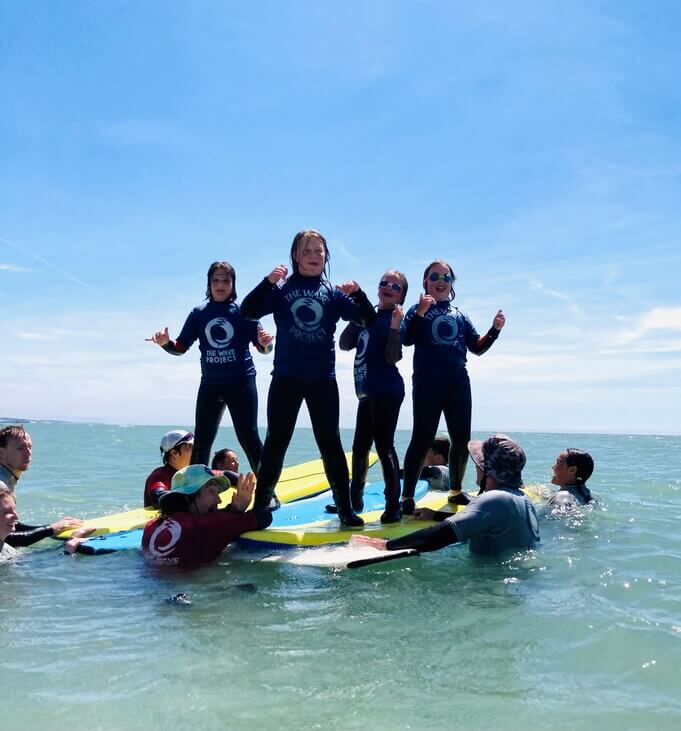
The view from the wave pools
The Wave near Bristol was the first inland surfing destination to partner with the charity, back in 2020. Its CEO, Julian Topham, said: “What began as a trial has grown into an incredible long-term partnership, which has made a huge difference to young people who can’t access Surf Therapy at the coast.
“Over the years we’ve seen first-hand what can happen during these 6-week courses, young people growing in confidence, feeling proud of what they’ve achieved, connecting with others and, importantly, having fun.”
Lost Shore joined in 2024. Its founder, Andy Hadden, first came across The Wave Project as a volunteer at Dunbar, and says that experience helped inspire the resort.
“Inland surf facilities can help bring Surf Therapy within reach of young people and communities who have traditionally been excluded by geography,” said Andy.
For one family at a wave pool hub, that reach has already made a difference. The parent of a young surfer said: “The Wave Project reminded him of what he is capable of, that you can thrive even when you’re worried. Surfing and being in water is a huge part of his identity, it is his happy place. He would like to train to become a Surf Mentor himself in the future and help other children who need some support to find their happy place too.”
Read Next
- Arts & CultureBoard games, protest placards, a Makaton choir and a crate of records.
Share This Story, Choose Your Platform!
To keep up with the latest cornish news follow us below
Follow CornishStuff on Facebook - Like our Facebook page to get the latest news in your feed and join in the discussions in the comments. Click here to give us a like!
Follow us on Twitter - For the latest breaking news in Cornwall and the latest stories, click here to follow CornishStuff on X.
Follow us on Instagram - We also put the latest news in our Instagram Stories. Click here to follow CornishStuff on Instagram.
- 1
- 2
- 3
- 4
- 5
- 6