Portreath cliff search for three overdue paddleboarders
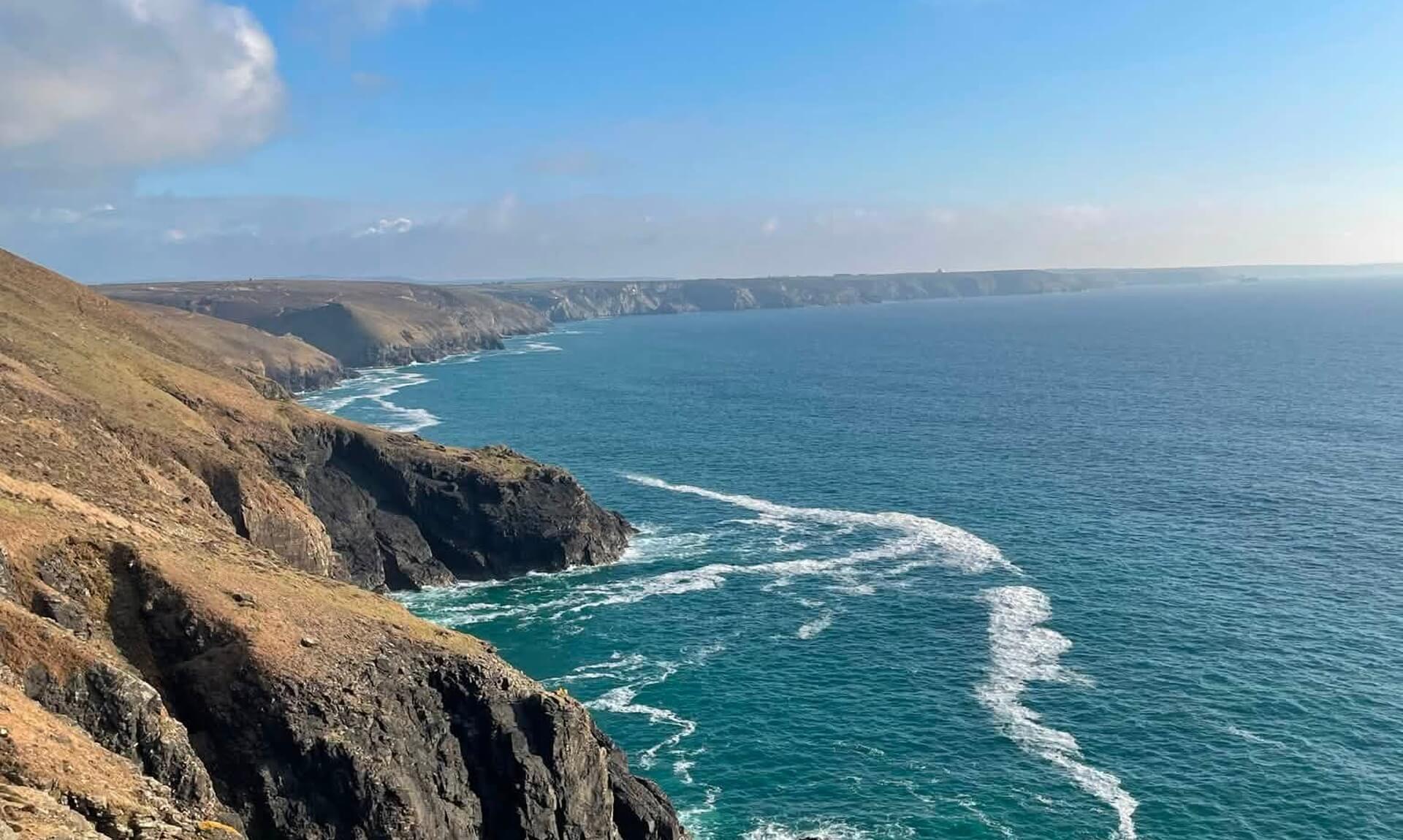
A paddleboard is at its most deceptive on a warm, easy-looking afternoon. The wind is behind you, the paddling takes no effort, and the shore slips further away without you really noticing. Then you turn to head back, and the same wind that carried you out becomes a wall you cannot paddle through. That is close to the situation that launched a coastal search off Portreath on the evening of 11 August, after three teenage paddleboarders were reported overdue.
Your daily dose of Cornwall
News, events and goings on across the Duchy
What happened off Portreath
At around 4pm, H.M. Coastguard Portreath Rescue Team were tasked after the beach lifeguards at Portreath raised the alarm about three teenagers who had gone out on paddleboards and not returned.
The three had reportedly entered the water at about 1.45pm, heading towards the western coves and wearing only shorts. Nobody had seen them come back to the beach. A strong offshore wind was blowing at the time, which is what turned an ordinary afternoon on the water into a real concern.
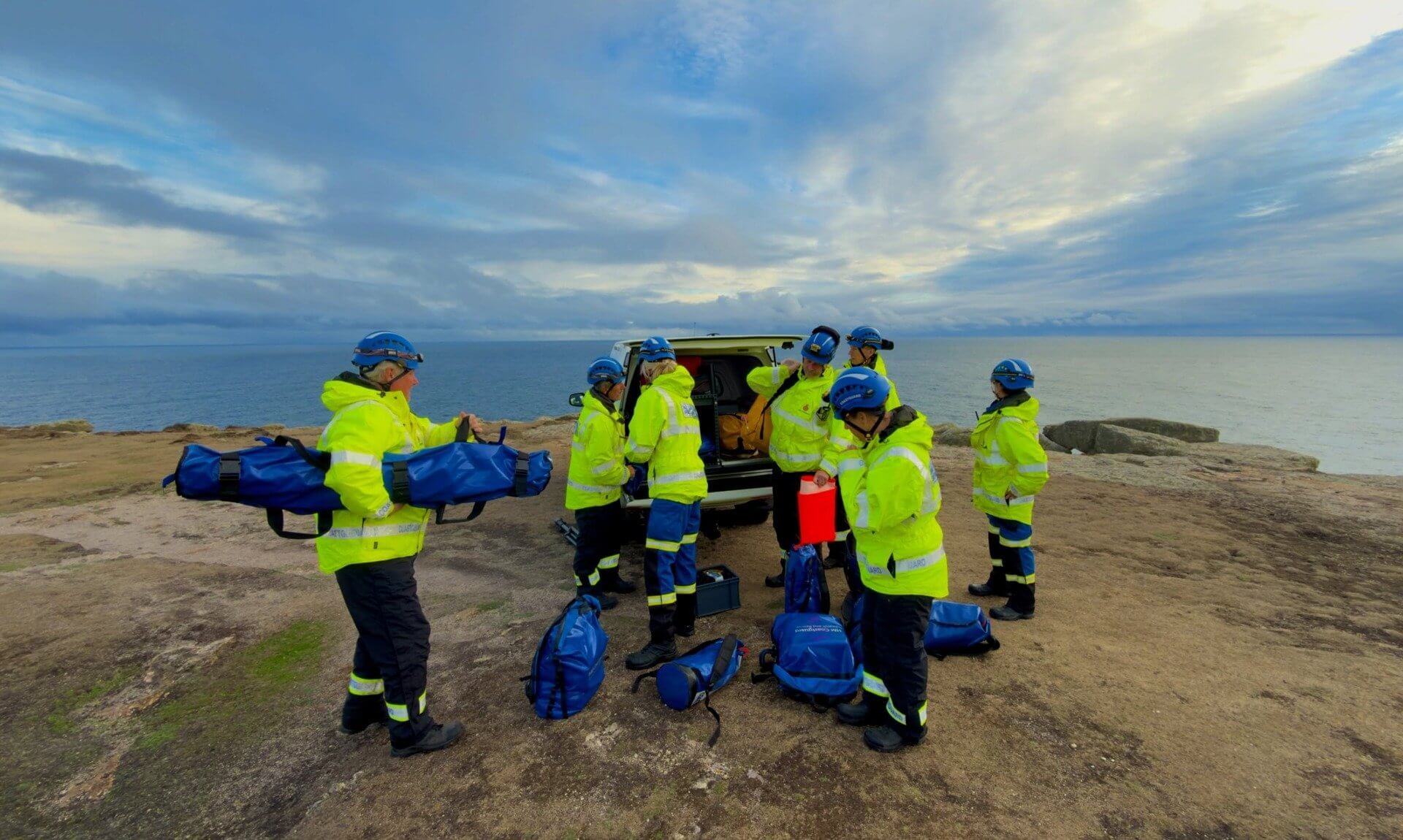
Teams searched the coast between Basset Cove and Gull Lane, working along the shoreline for any sign of them. Some stretches could not be reached safely from the cliff tops, so St Ives RNLI were called in to cover the same ground from the sea.
No sightings came. After extensive searches turned up nothing, and with no further information to go on, the team were stood down by 7pm.
The ending was the quiet sort. It was later judged likely that the three had made it back to the beach earlier and walked off without anyone noticing they had returned, while a full search combed the cliffs and the water for them.
Why an offshore wind is the one to watch
The thread running through the whole callout is the wind. An offshore wind blows from the land out to sea, and on a paddleboard it is the most dangerous kind there is.
It feels helpful at first. It flattens the water close to the beach and pushes you along, so heading out is effortless. The trouble starts when you try to come back. You are paddling straight into it, often standing upright on a board that behaves like a sail, and progress can slow to almost nothing. Conditions at sea change fast, and a paddleboarder can be carried much further from shore than expected, which makes the return under your own power hard or impossible.
Going out in only shorts, as the three were, adds a second risk. There is no buoyancy aid to keep you up if you come off the board, and nothing to hold off the cold if you end up in the water for any length of time.
How to stay safe on the water
The Coastguard’s advice after this one is worth reading before your next paddle. Every time, before you go out:
- Check the weather, wind and tides. An offshore wind is the red flag.
- Wear a suitable buoyancy aid or personal flotation device, and clothing that matches the conditions rather than the sunshine.
- Carry a way of raising the alarm, such as a VHF radio or a mobile phone in a waterproof case.
- Tell someone where you are going and when you expect to be back.
- Avoid paddling alone, and stay within your ability and experience.
That last point cuts both ways. Telling someone your plan is what raises the alarm if you really are in trouble. It is also what can stop a search being launched for people who are already safely home.
Your daily dose of Cornwall
News, events and goings on across the Duchy
If you get into difficulty
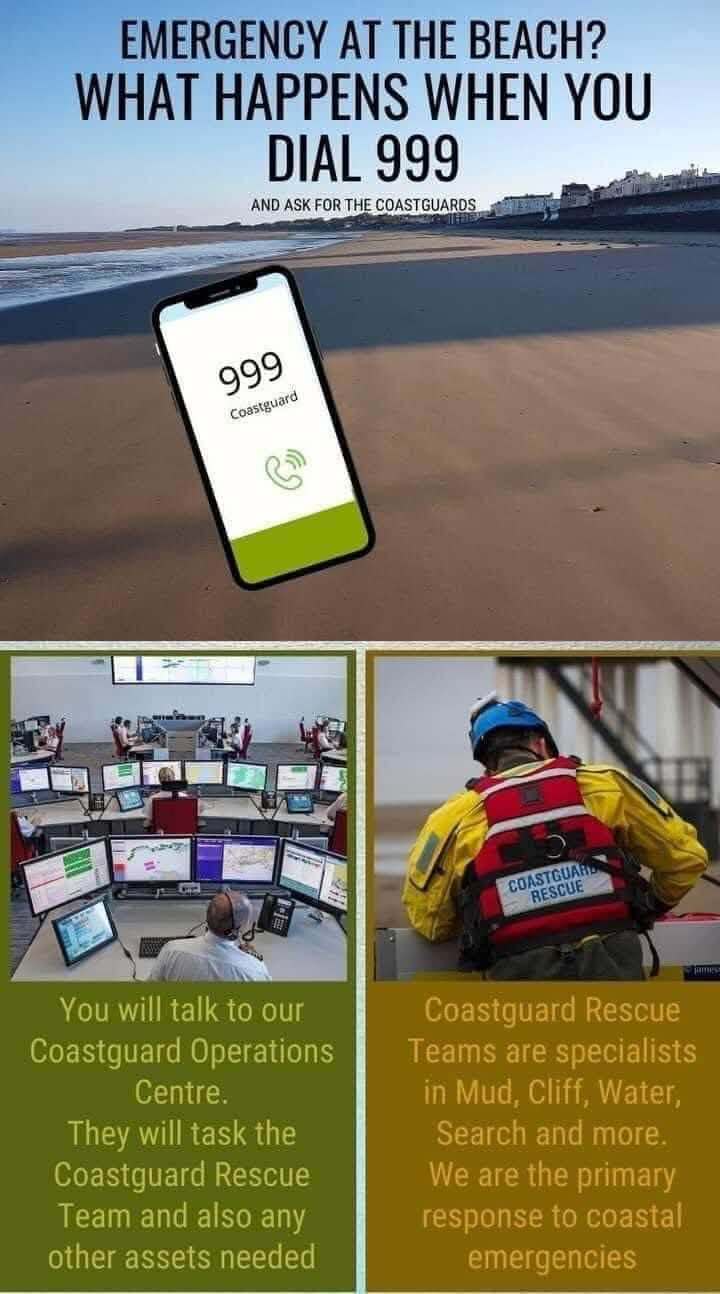
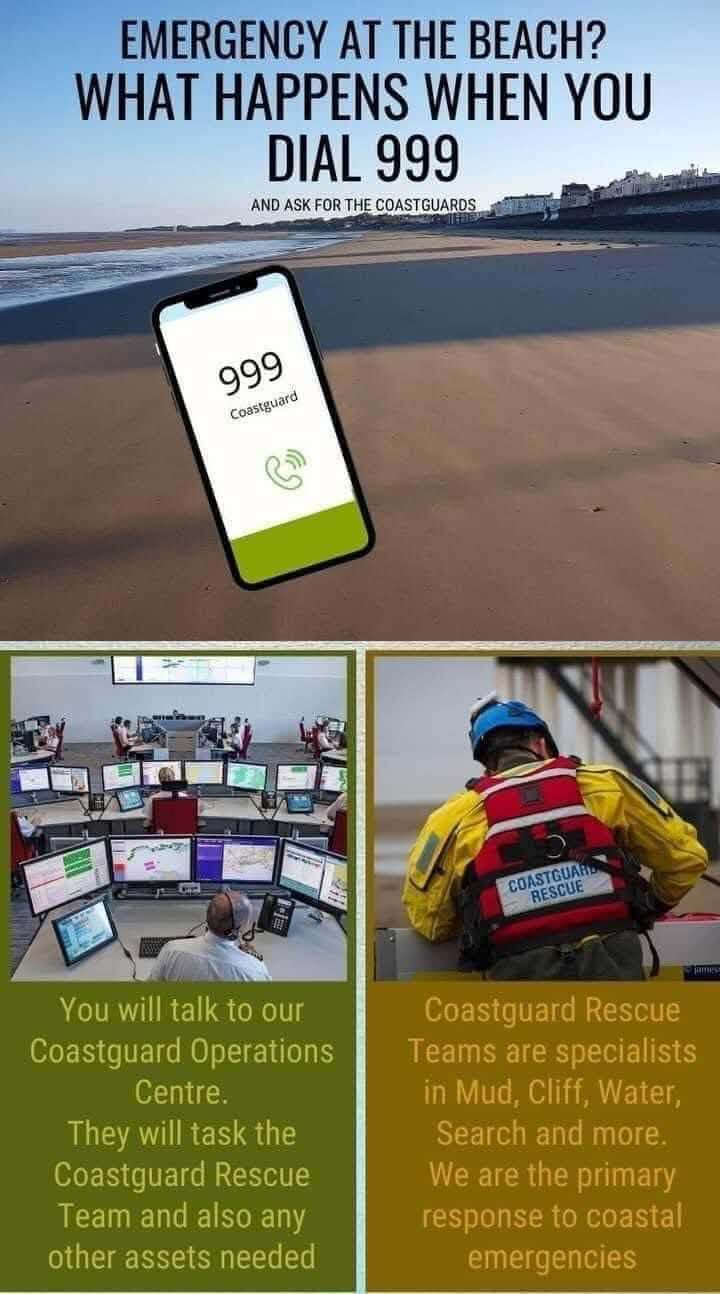
If you get into trouble on the water, or you see someone else who has, the number is 999. Ask for the Coastguard. That call reaches the Coastguard Operations Centre, who then send out the Coastguard Rescue Teams and any lifeboat or other help the situation needs.
The Portreath team thanked the beach lifeguards and St Ives RNLI for their help across the search. Thankfully this one ended well. But a good outcome does not make the worry any smaller while it is happening, and concern can build quickly when people head out underprepared, or when nobody knows where they are.
Read Next
- RNLIAfter seven years as lifeboat operations manager at Falmouth RNLI, Nick Lewis handed the role over in September.
Share This Story, Choose Your Platform!
To keep up with the latest cornish news follow us below
Follow CornishStuff on Facebook - Like our Facebook page to get the latest news in your feed and join in the discussions in the comments. Click here to give us a like!
Follow us on Twitter - For the latest breaking news in Cornwall and the latest stories, click here to follow CornishStuff on X.
Follow us on Instagram - We also put the latest news in our Instagram Stories. Click here to follow CornishStuff on Instagram.
- 1
- 2
- 3
- 4
- 5
- 6