Looe RNLI rescue kayaker blown out to sea off Plaidy
Head out onto the water at Plaidy on a day when the wind is coming off the land, and you might not notice you’re in trouble until the beach is already smaller than you’d like. That is what happened to one kayaker on Saturday evening, and it is the sixth time this summer that Looe RNLI‘s volunteer lifeboat crew have been called to exactly the same problem.
Your daily dose of Cornwall
News, events and goings on across the Duchy
A call to Plaidy as the light began to fade
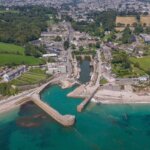
Looe RNLI volunteer crew pagers sounded at 6.22pm on Saturday 15 August 2026, after Falmouth Coastguard’s Maritime Rescue Coordination Centre took a call about a kayaker off Plaidy beach. The kayaker was being blown out to sea by strong offshore winds and was in difficulties.
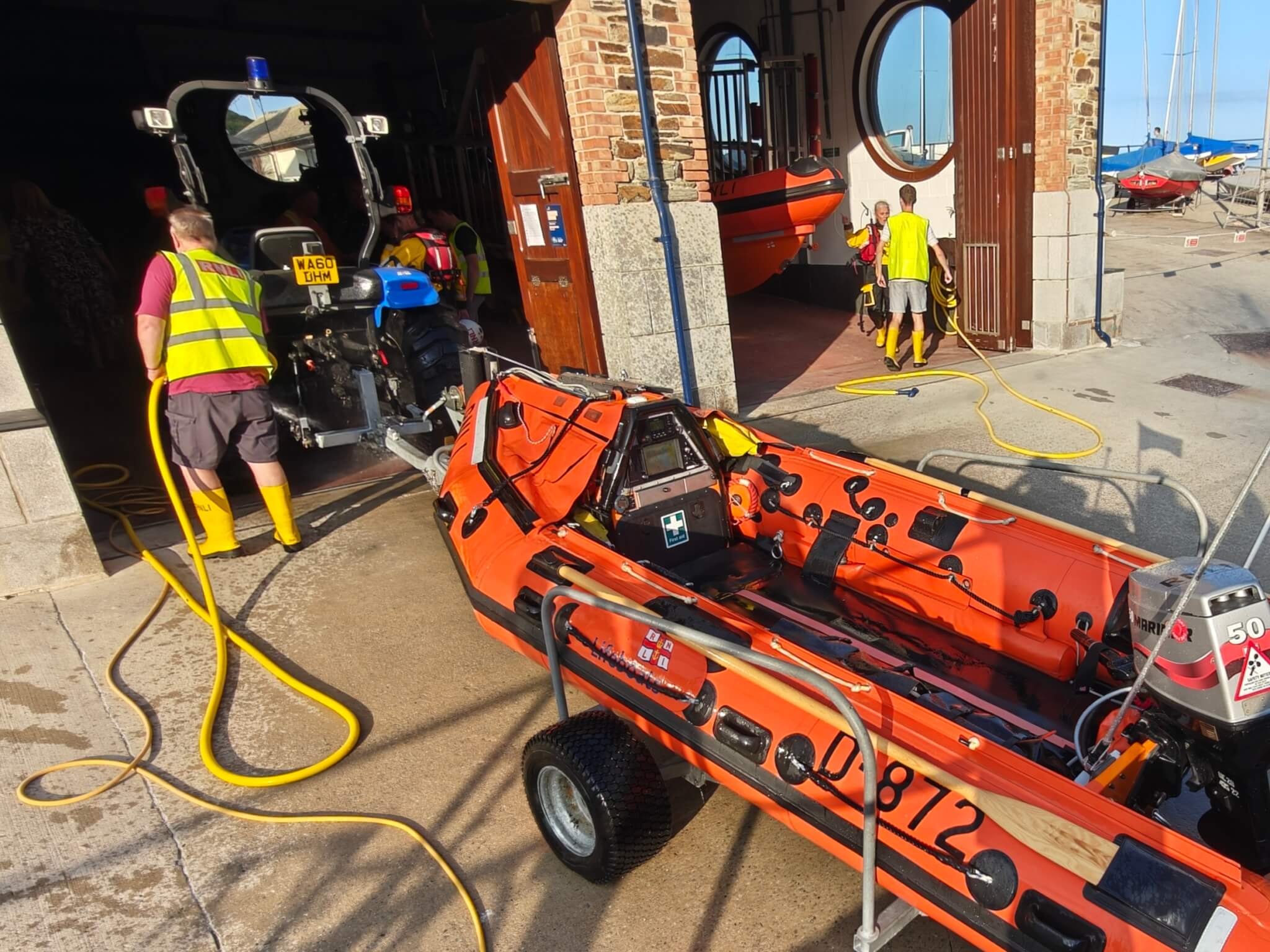
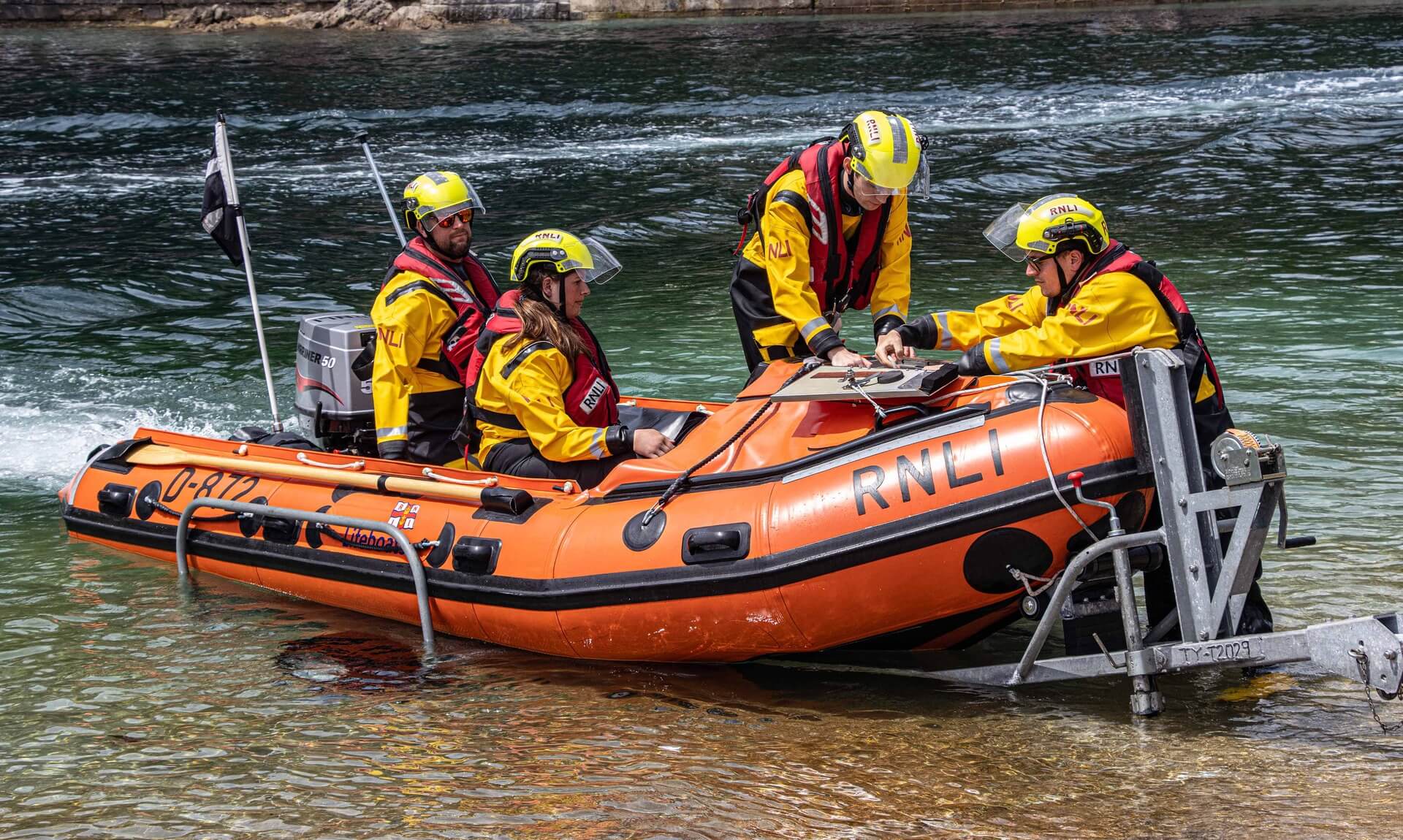
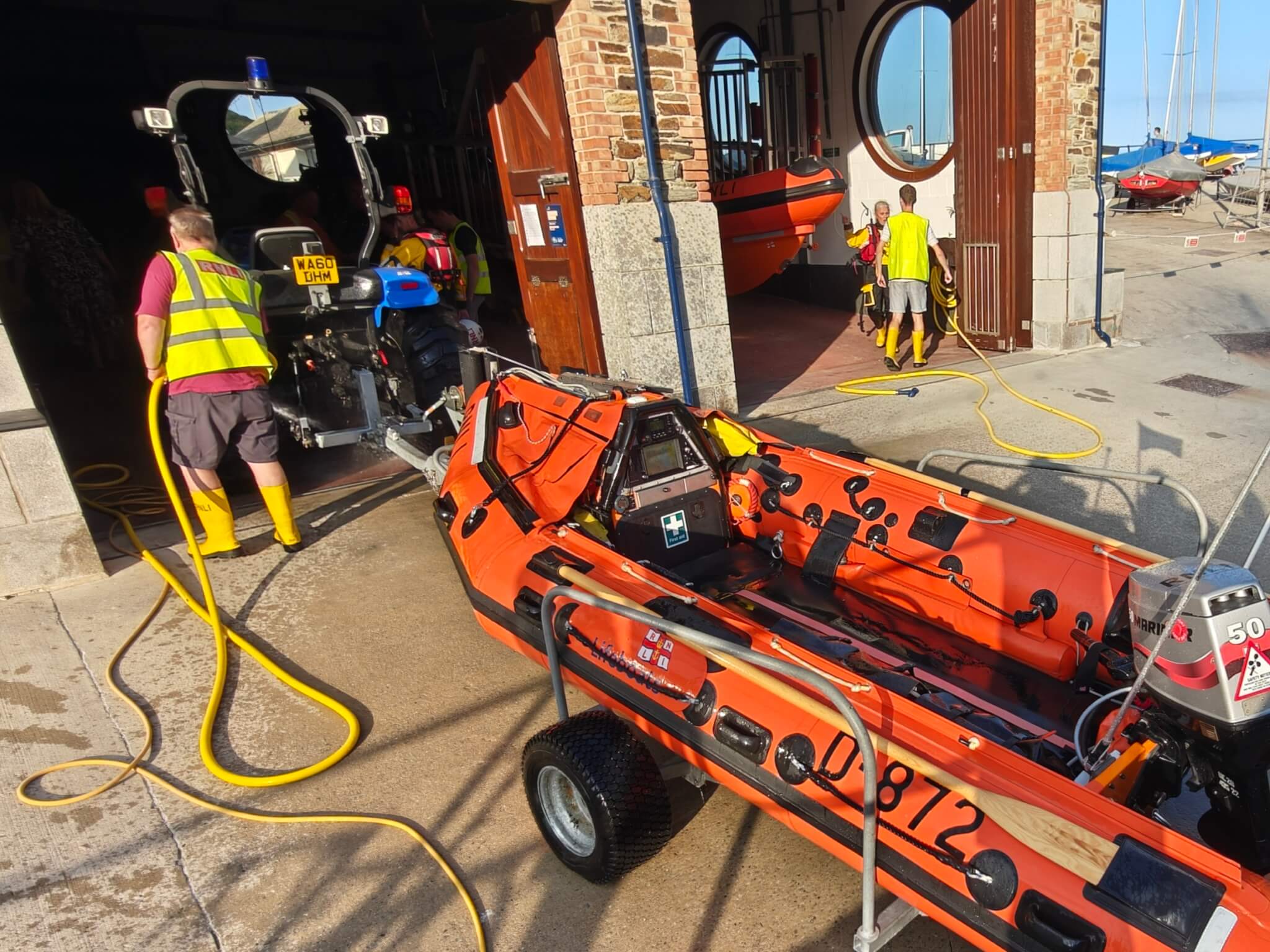
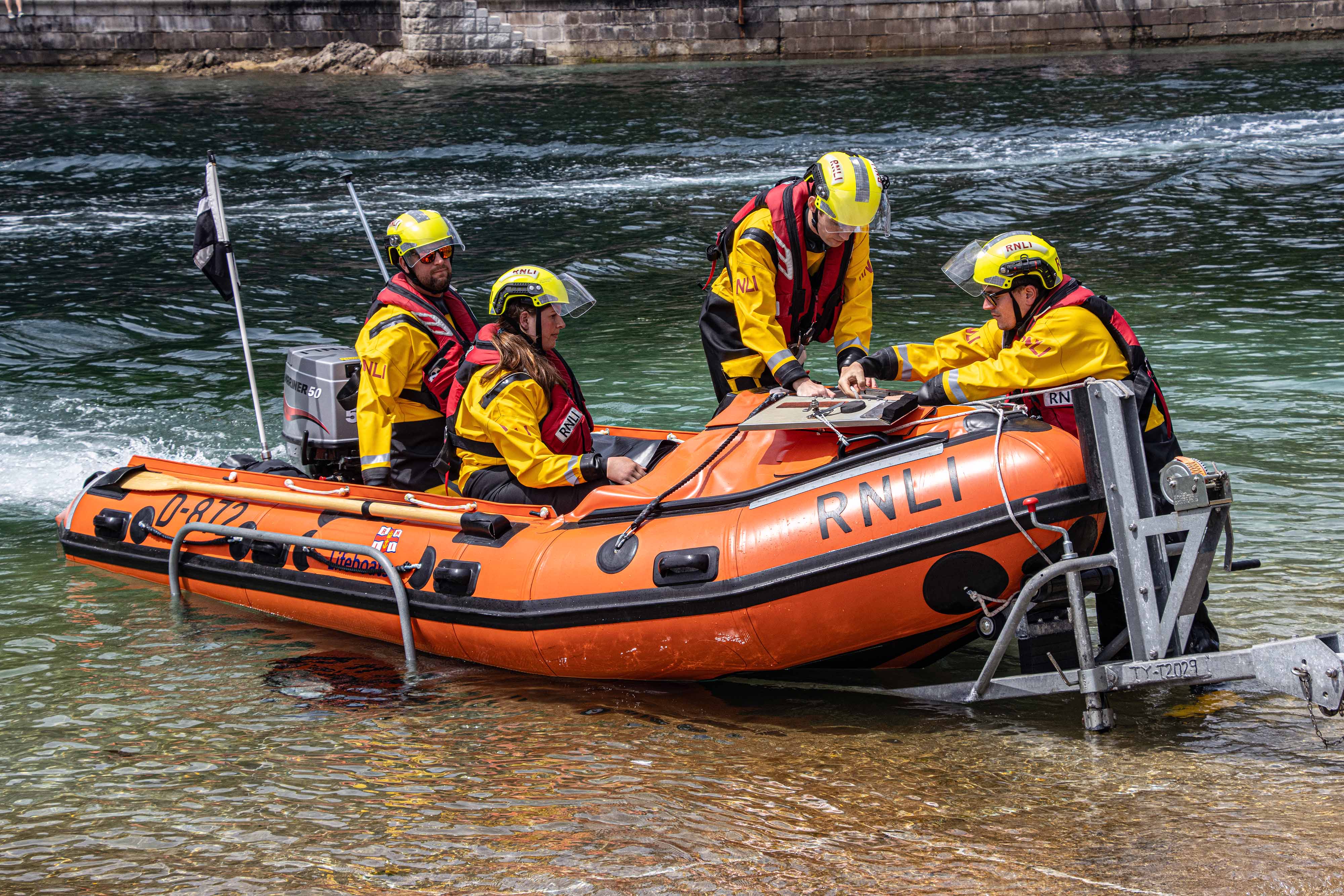
The crew launched the station’s D Class inshore lifeboat, Ollie Naismith II, and were quickly on scene. After checking the kayaker was uninjured, they brought him safely back to family who were waiting on the beach.
Before leaving Plaidy, the crew took the chance to explain the risk that had caught the kayaker out. Offshore winds, blowing from the land out to sea, can be stronger than forecast, because they funnel down the valleys towards the beaches. That makes paddling back to shore far harder than it looks from the sand.
A first shout for the station’s newest helm
The Plaidy call was the first operational shout for Rich Jones since he qualified as a helm with the station. Rich was at the helm as Ollie Naismith II raced to reach the kayaker, and the crew have congratulated him on the milestone.
Six shouts, one warning repeated each time
Saturday’s rescue was the sixth recent call for Looe RNLI volunteer crews involving a paddleboarder or kayaker caught out by strong offshore winds. The pattern has become familiar enough that the station and Paddle UK want it understood before the next person launches into it.
If you are heading out on a paddleboard, kayak or other inflatable craft, check the wind direction first. An offshore wind, blowing from the land towards the sea, can carry a lightweight craft out into deep water faster than you can paddle against it, and will exhaust you before you realise how far you have gone. The advice is simple: never launch into one.
If you do find yourself unable to paddle back to shore, do not stand up on the board. Standing turns your body into a sail and pushes you further out. Instead:
- Drop to your knees, or lie flat on your stomach.
- If you still have the energy, paddle prone, on your stomach, using your arms like a surfer. It is the most effective way to make progress against the wind, and it lowers your profile so the wind has less to push against.
- Wear your buoyancy aid at all times and use a leash.
- Always carry a means of calling for help, and keep it within reach rather than packed away.
If you get into trouble on the water, call 999 and ask for the coastguard.
Further safety guidance is available from the RNLI on stand up paddleboarding and kayaking and canoeing.
Read Next
- BudeOne side of the door is burnt black.
Share This Story, Choose Your Platform!
To keep up with the latest cornish news follow us below
Follow CornishStuff on Facebook - Like our Facebook page to get the latest news in your feed and join in the discussions in the comments. Click here to give us a like!
Follow us on Twitter - For the latest breaking news in Cornwall and the latest stories, click here to follow CornishStuff on X.
Follow us on Instagram - We also put the latest news in our Instagram Stories. Click here to follow CornishStuff on Instagram.
- 1
- 2
- 3
- 4
- 5
- 6