Cornwall’s push for recognition meets a Westminster language row
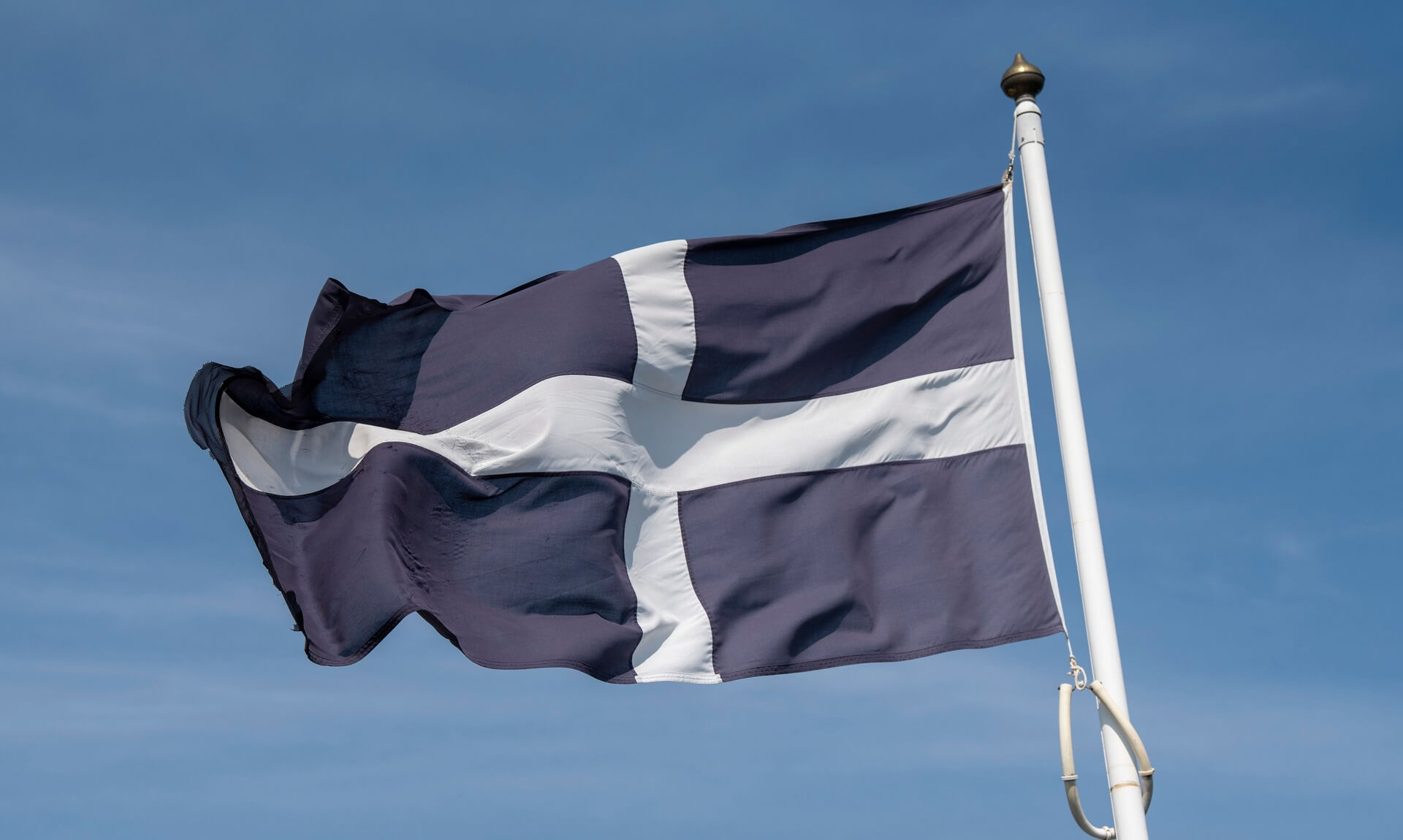
Two petitions, a byelection result and a row over what language you’re allowed to campaign in. Cornwall has had a busy few weeks on the question of who gets to call itself a nation.
Your daily dose of Cornwall
News, events and goings on across the Duchy
The census tick box, closing in on decision time
The longer-running of the two campaigns is the petition asking the government to add a “Cornish” tick box to the national identity question on the 2031 census, rather than leaving Cornish people to write it in under “Other”. Launched in March, it now stands at close to 3,800 signatures, still under half of the 10,000 needed for a government response, with roughly five weeks left before it closes on 24 September.
As we reported last month, the campaign leans heavily on the 2021 census, where more than 117,000 people across England and Wales wrote in a Cornish identity without a box to tick. Camborne and Redruth MP Perran Moon has backed the call in the Commons, describing the current arrangement as a “farce”.
A second petition, and this one names the trigger
A new petition, opened on 12 August by Marcas Mac an Tuairneir, calls on the government to give BSL, Cornish, Irish, Scots, Scottish Gaelic and Welsh the same UK-wide language protections already in place in Wales, Scotland and Northern Ireland, rather than the patchwork of devolved and charter-level status that currently applies. Unlike the census campaign, this one spells out exactly what prompted it: Amendment NC107 to the Representation of the People Bill, which the petition says could criminalise election leaflets in Cornish, Irish, Gaelic, Scots and BSL, and even outlaw party names written in those languages. It has just over 850 signatures so far, with a closing date of 12 February 2027.
Cornish’s own position under the separate European Charter for Regional or Minority Languages improved in November, when the government recommended moving Kernewek up to the stronger Part III tier, alongside Welsh, Irish and Scottish Gaelic, after two decades in the weaker Part II. What that status doesn’t bring is UK-wide legal protection of the kind Welsh has had since the 1990s, which is the gap the new petition is aimed at.
The amendment itself
NC107 would restrict official election material in England and Wales to English or Welsh only, with breaches becoming a criminal offence. As written, campaign literature in Cornish, Irish or Scottish Gaelic would fall foul of the rule, and Mebyon Kernow, whose own name is Cornish for “Sons of Cornwall”, has warned it could even catch a party using its own name on the ballot paper. A separate Conservative amendment takes a narrower approach, stating explicitly that it would not touch campaigning in “native languages of the British Islands” such as Cornish, Welsh, Irish and Ulster Scots, or in BSL or Braille.
Mebyon Kernow has said no party should have the language its supporters speak legislated out of an election leaflet. Other language campaigners and politicians in Scotland have raised similar objections about the amendment’s reach into Gaelic and Scots material.
Your daily dose of Cornwall
News, events and goings on across the Duchy
A breakthrough in Falmouth
Against that backdrop, Mebyon Kernow has just had one of its stronger showings in years. In the Falmouth Town Council byelection for the Arwenack ward on 13 August, the party’s first-time candidate passed 500 votes despite competition from a crowded field, in a ward the Green Party’s Tessa Farthing ultimately won. It’s the kind of result the party will point to as evidence that its vote is holding up even where it doesn’t take the seat.
What happens next
Both petitions still need a great deal more support before Westminster is obliged to respond, and the Representation of the People Bill itself has reportedly been pushed back to allow more time to review its amendments. Whether the government, under whichever prime minister is in Downing Street by the time either petition closes, has anything to say on Cornish recognition is, for now, anyone’s guess.
Read Next
- BudeOne side of the door is burnt black.
Share This Story, Choose Your Platform!
To keep up with the latest cornish news follow us below
Follow CornishStuff on Facebook - Like our Facebook page to get the latest news in your feed and join in the discussions in the comments. Click here to give us a like!
Follow us on Twitter - For the latest breaking news in Cornwall and the latest stories, click here to follow CornishStuff on X.
Follow us on Instagram - We also put the latest news in our Instagram Stories. Click here to follow CornishStuff on Instagram.
- 1
- 2
- 3
- 4
- 5
- 6