Cornwall gardeners warned over five autumn clear-out mistakes
Reach for the secateurs this weekend and you could be doing more harm than good. Every September and October, gardens across Cornwall get the same treatment: overgrown shrubs cut back, flowerbeds tidied, borders dug over ready for winter. It is exactly the kind of autumn garden clear-out most of us do without a second thought. But a few of the routine jobs on that list are precisely how invasive plants spread further, or take hold somewhere new, and invasive plant specialist Environet has set out the five most common mistakes to avoid.
Your daily dose of Cornwall
News, events and goings on across the Duchy
1. Mishandling plants that spread by seed
Himalayan Balsam is carrying ripe seed pods at this time of year, and each mature plant can produce around 700 seeds, which burst and scatter if the stems are disturbed. Ideally the plant is uprooted before it sets seed, usually in early summer, but if the pods have already developed, the advice is to pull the stems up carefully, lay them back down in the same spot, then cover with a layer of cardboard and 20cm of mulch. That will significantly suppress growth next year.
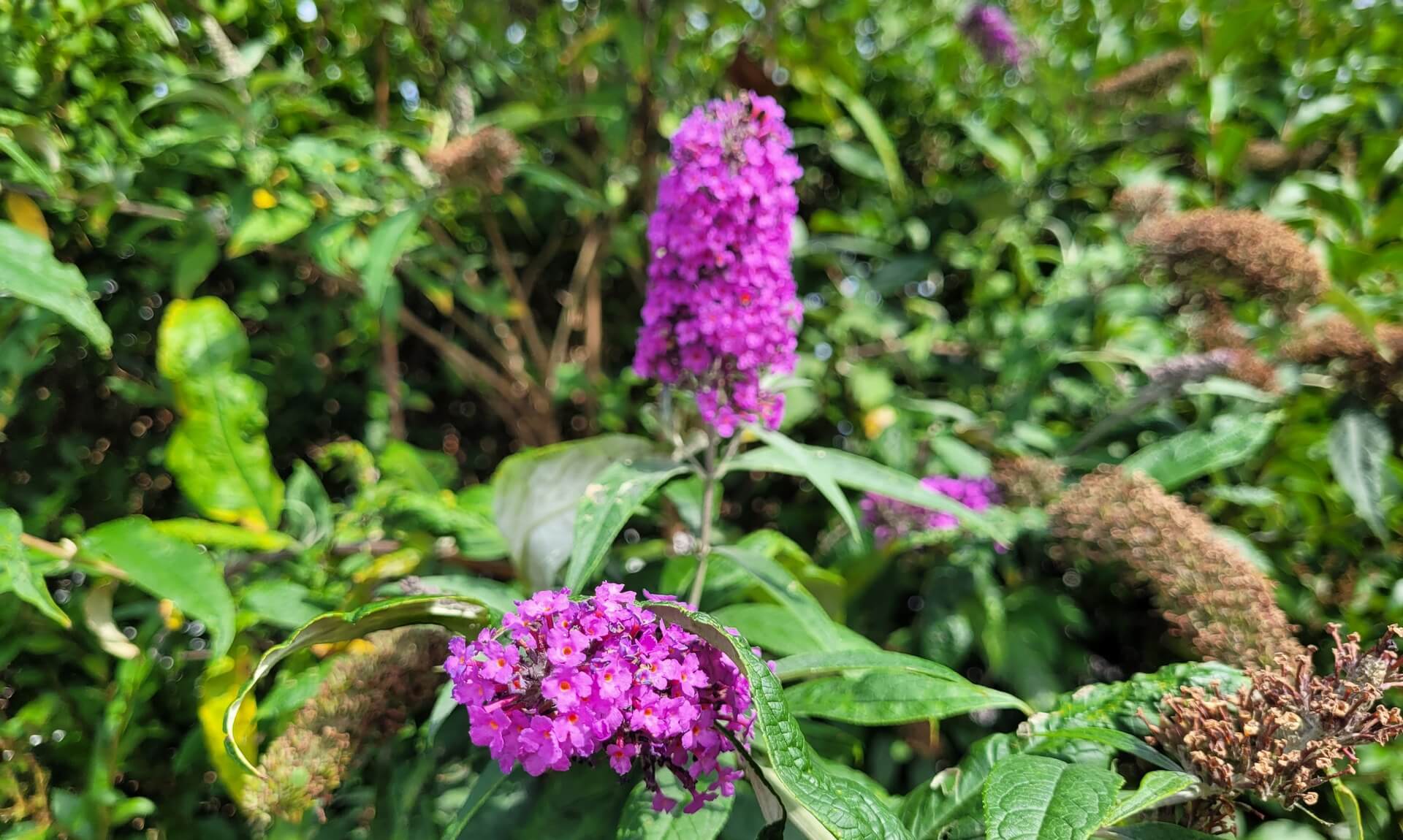
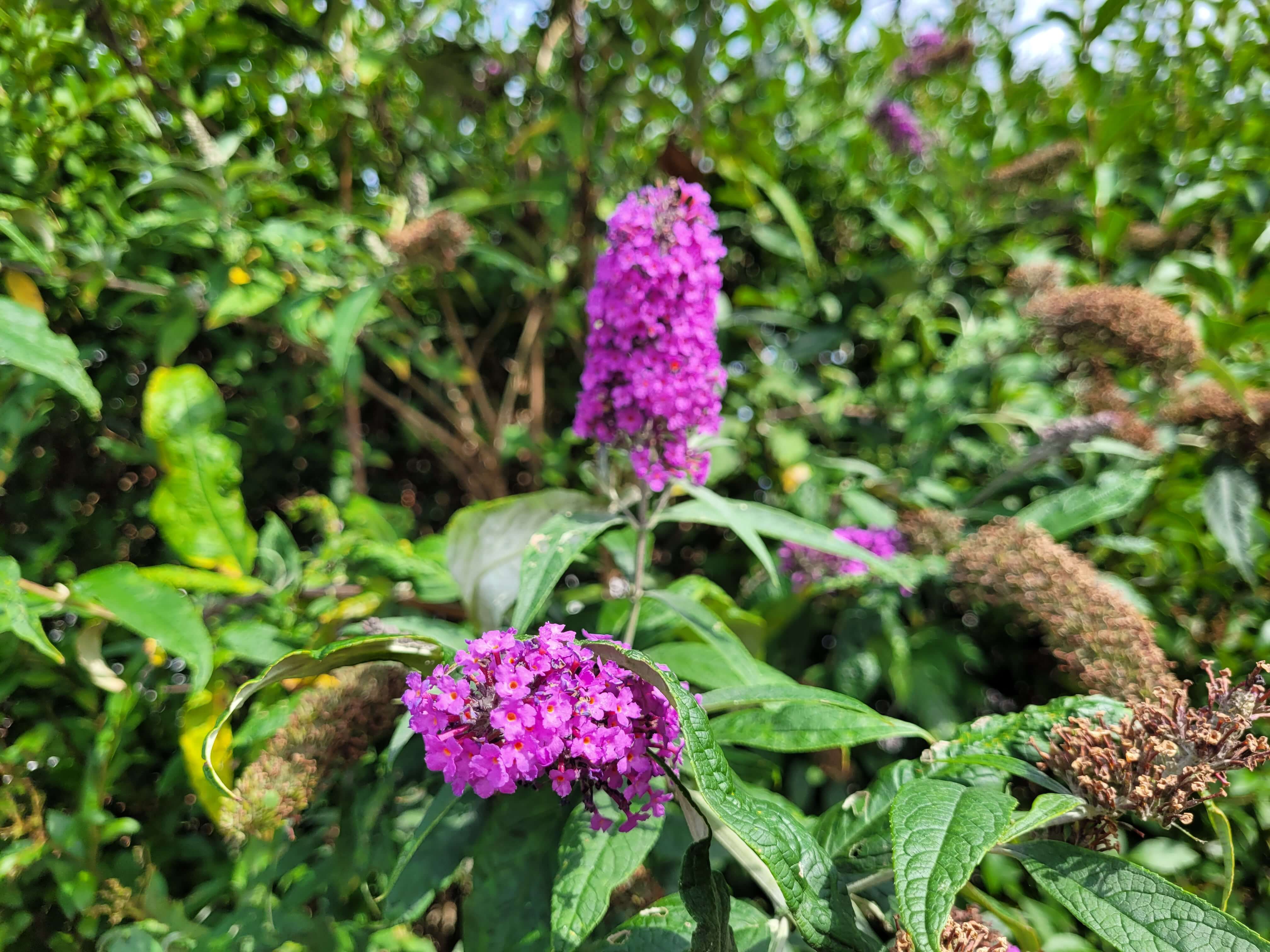
Buddleia (the butterfly bush) and Rhododendron ponticum spread easily by seed too. Faded flower heads should come off as soon as flowering has finished, and any seedlings pulled from the ground the moment they appear.
2. Leaving root fragments in the soil when digging
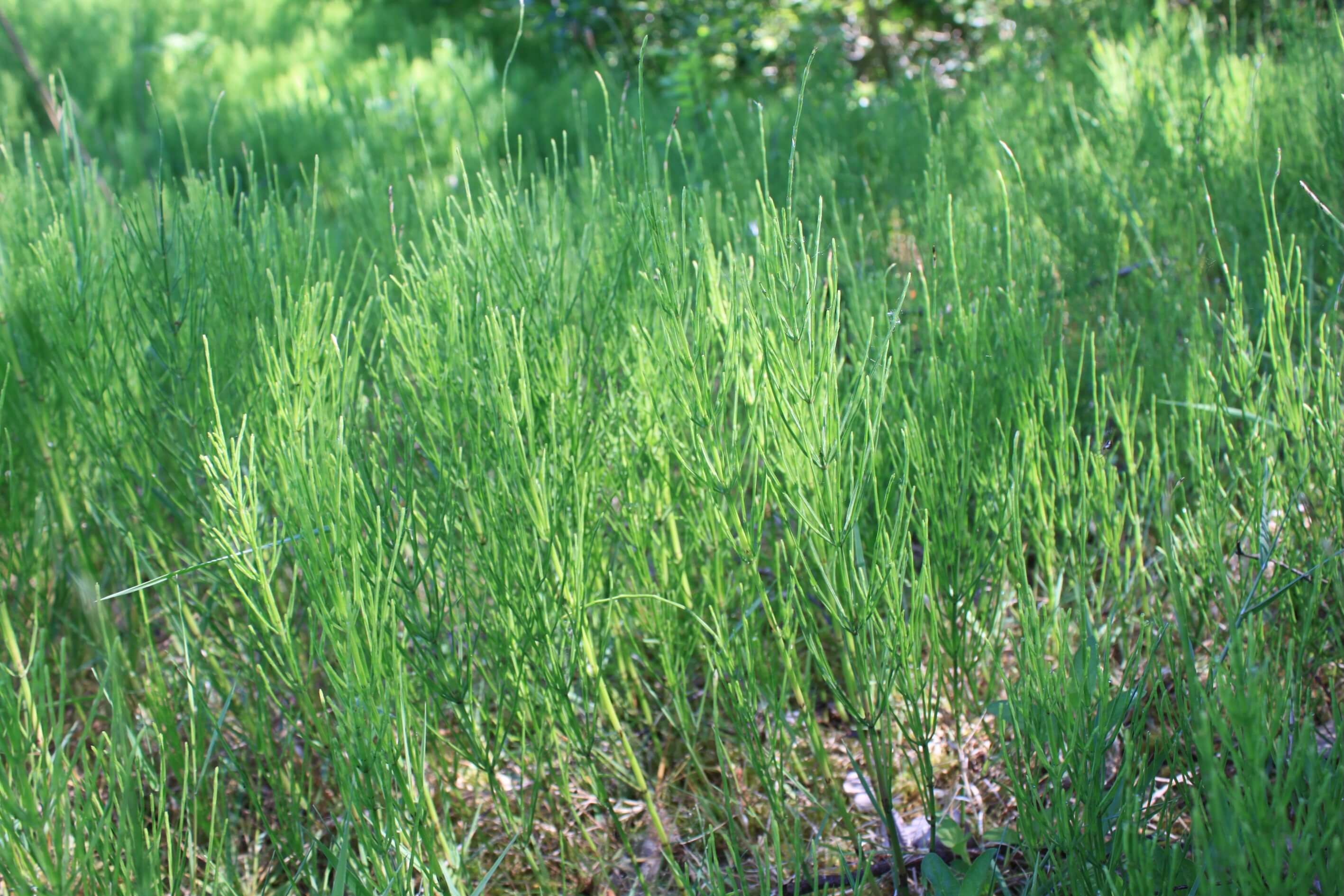
Some persistent perennials regenerate from the smallest fragment of root left behind. Horsetail is a good example. It is native to the UK, but its network of deep underground rhizomes makes it notoriously difficult to control. The plant dies back in autumn, just when gardeners are tempted to dig over or rotovate the soil, and that is exactly when rhizomes can be damaged and broken fragments left behind to emerge as new plants next spring.
Digging out as much as possible and disposing of the rhizomes carefully will help control it, along with a note in the diary to nip out any emerging spore-bearing cones next spring. Environet estimates horsetail has the potential to infest an area of one hectare within six years.
3. Moving invasive plant material without caution
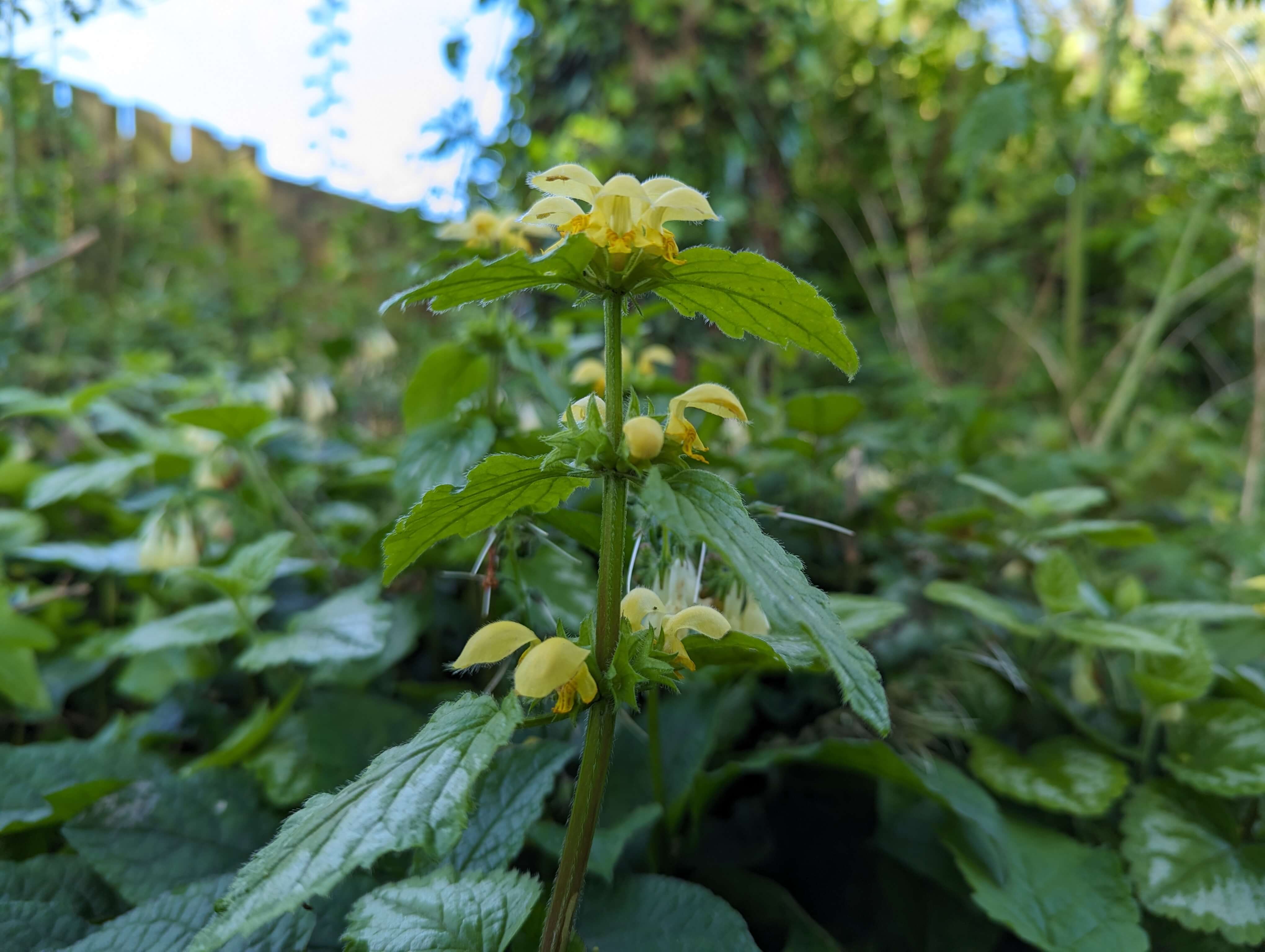
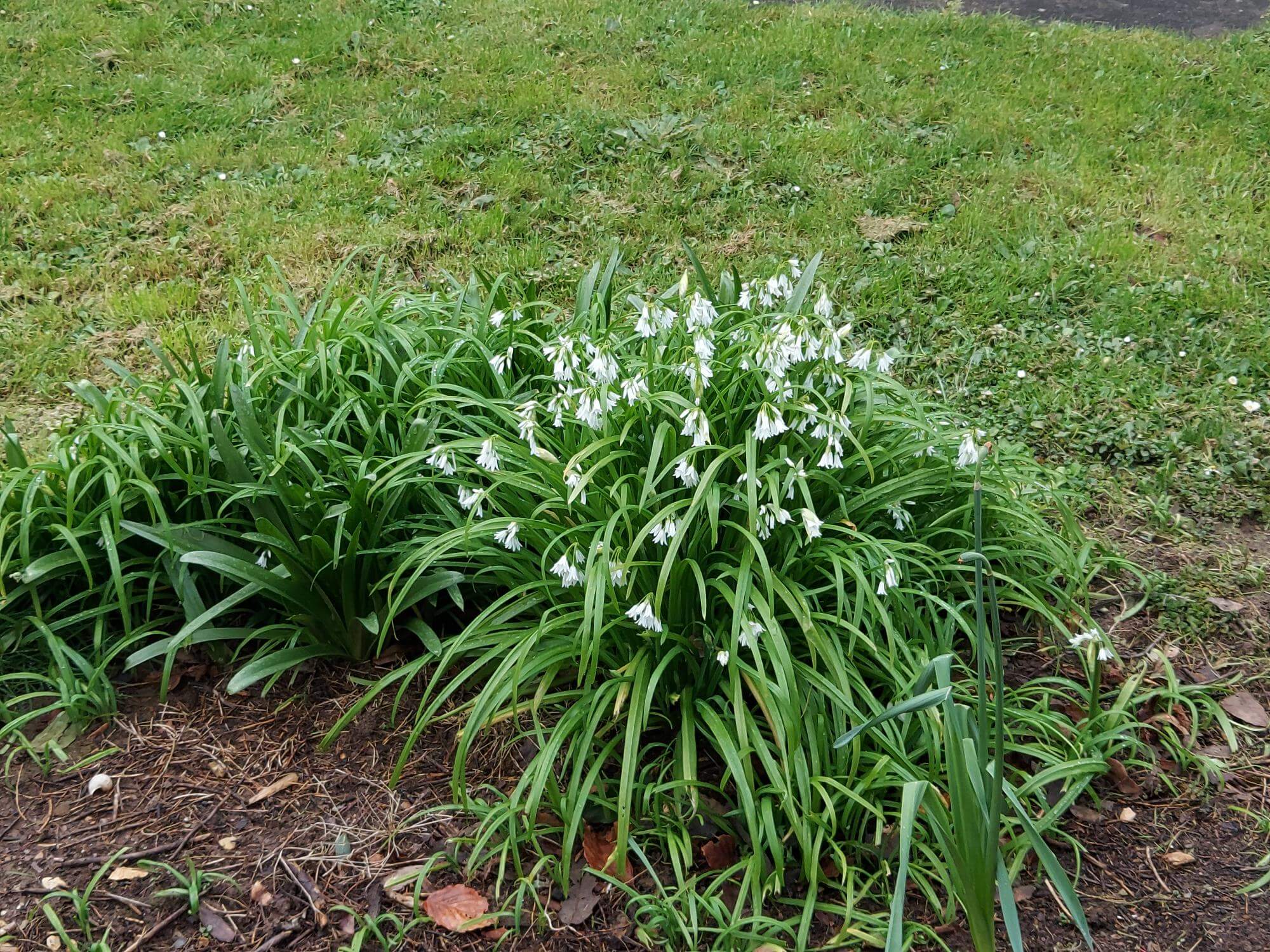
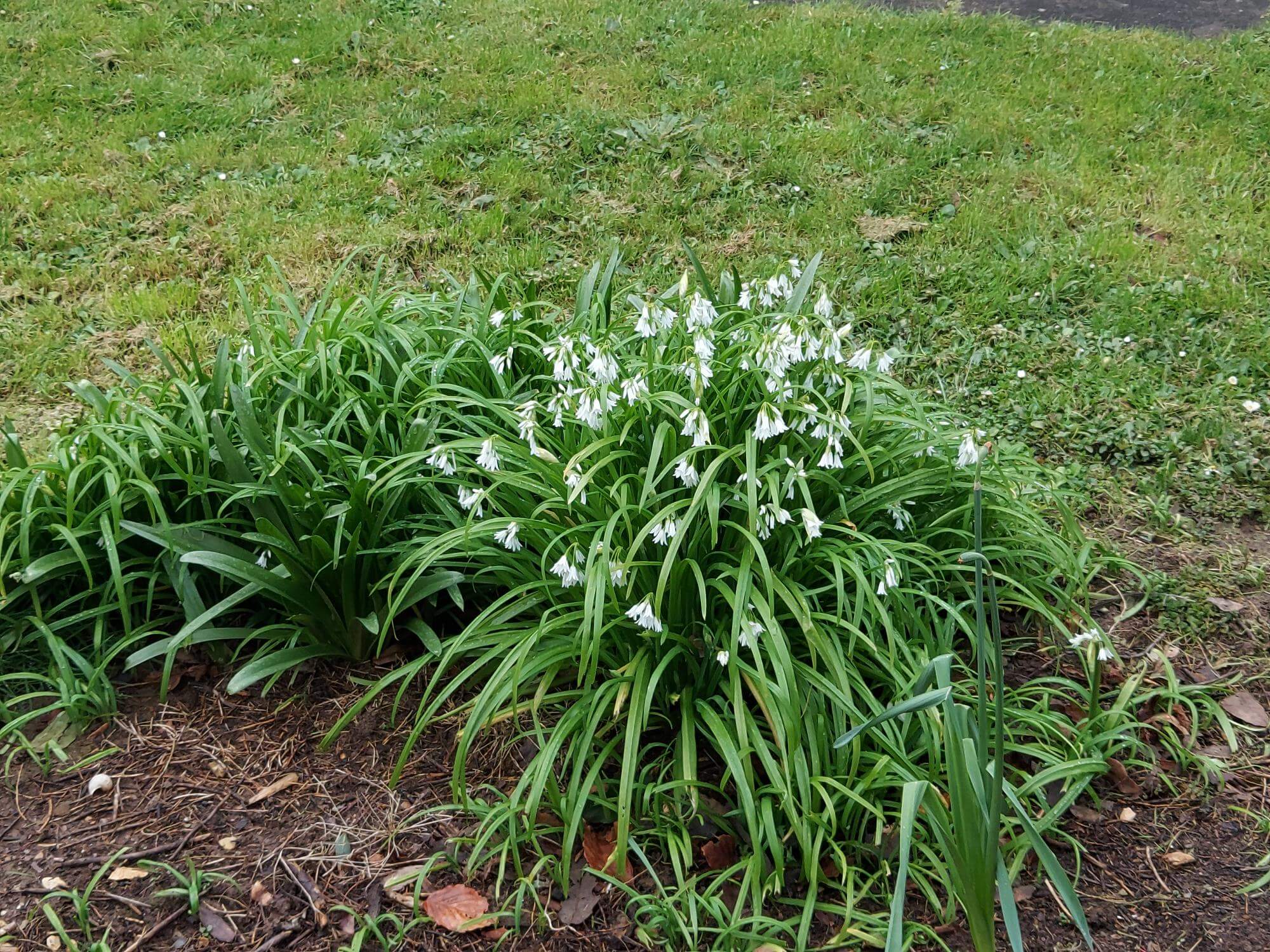
Moving contaminated soil around the garden can spread a problem to a completely new spot. Variegated yellow archangel, a plant that resembles dead nettle, spreads through creeping stems that root wherever they touch the ground. The tiny bulbs of three-cornered leek and the corms of montbretia are also known for hitching a ride to new locations when other plants are lifted and divided.
Your daily dose of Cornwall
News, events and goings on across the Duchy
4. Assuming cutting back will solve the problem
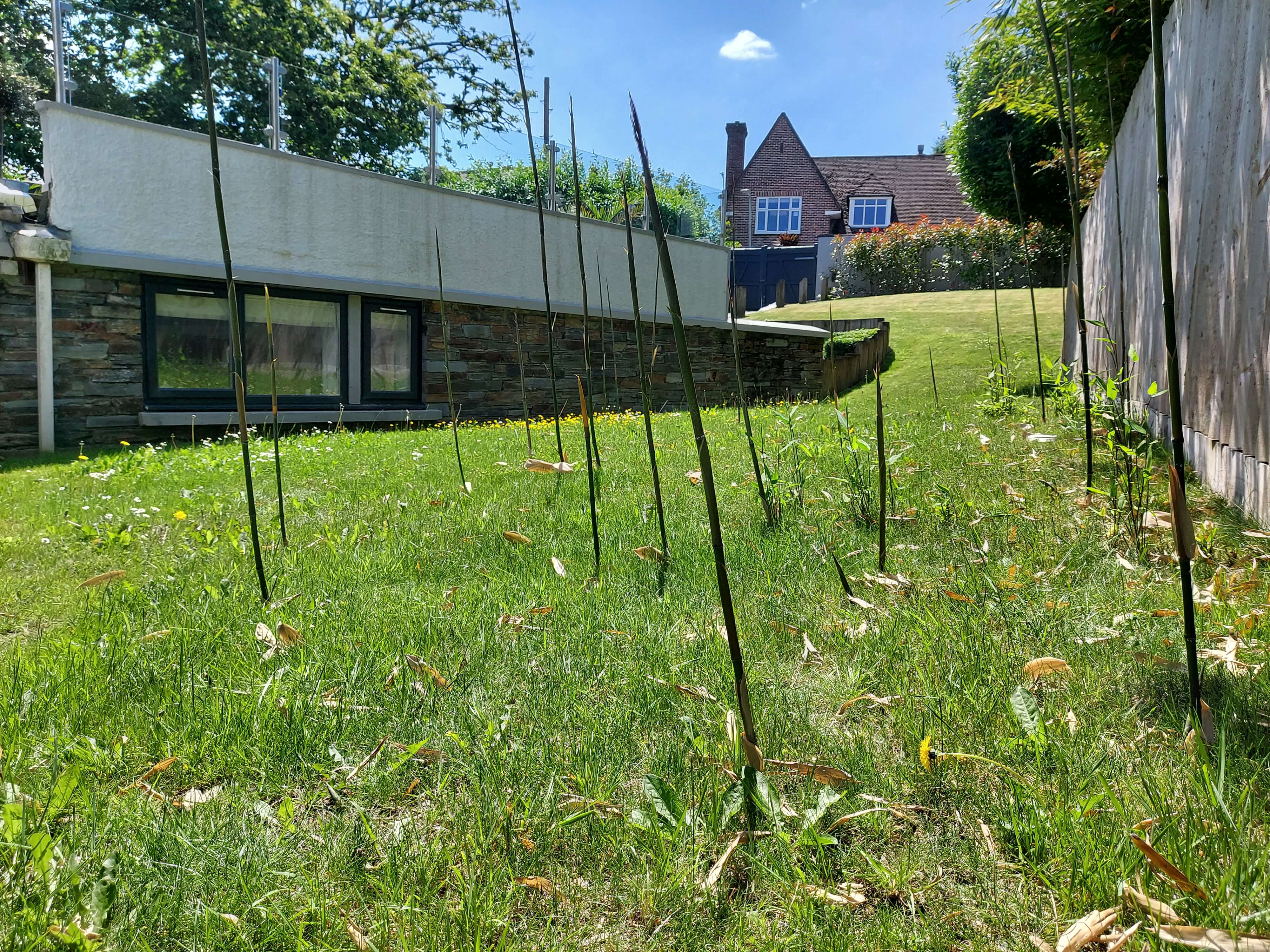
Pruning bamboo makes a garden look tidier, but an annual trim does nothing to stop it spreading underground, and cutting it right down to the ground can actually encourage the rhizomes to spread further. Running varieties can travel up to 30ft from the parent plant via long, lateral rhizomes, emerging beneath lawns, paths, or in next door’s garden entirely.
Small, contained patches can be managed with a specialist root barrier, or by regularly pruning the runners back to the parent plant. Once it is on the move, full removal means digging out the entire underground root ball and every lateral root, and professional help is usually needed to be sure it has all gone.
5. Putting invasive plant waste on the compost heap
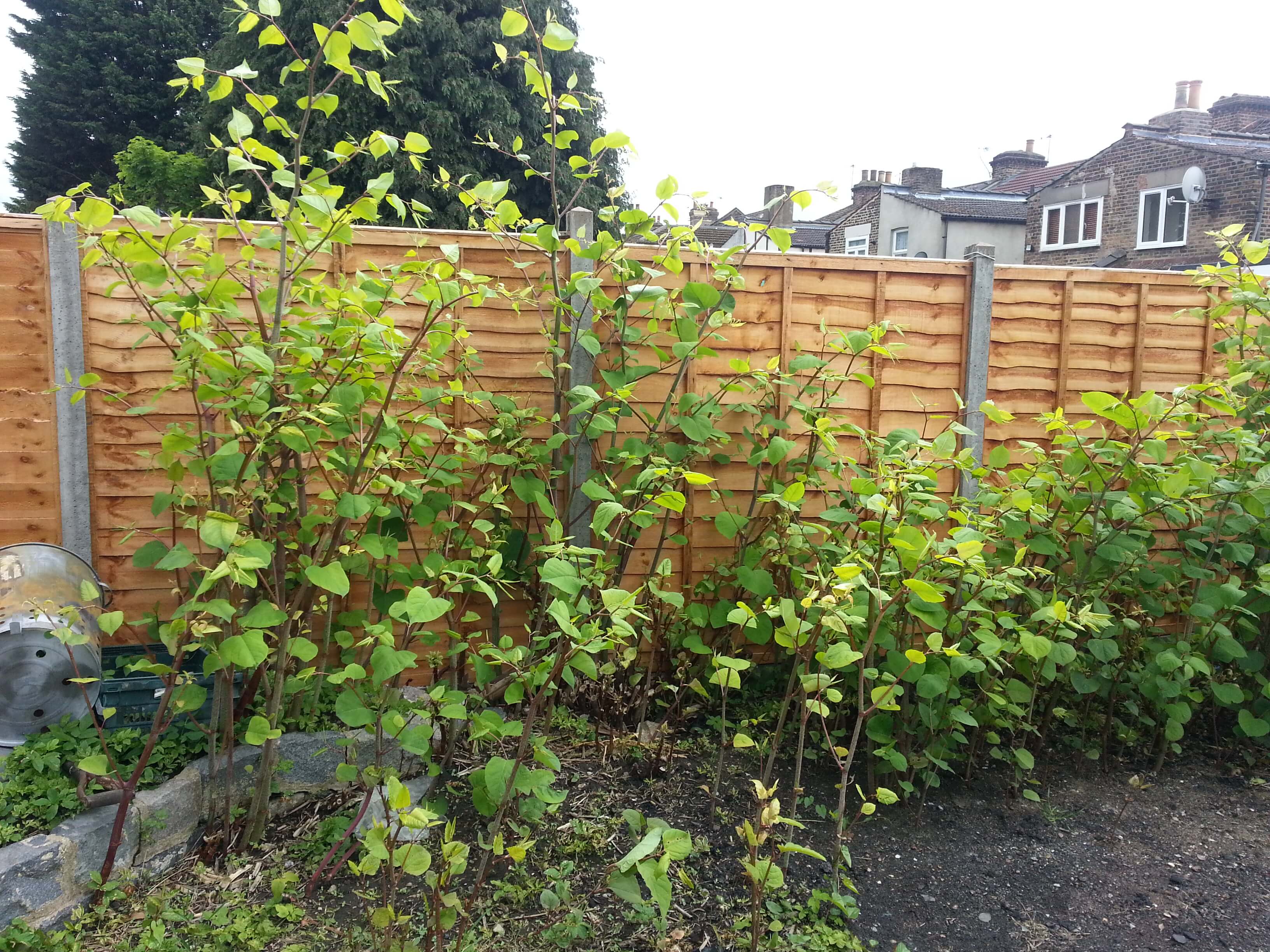
Composting is a good way to recycle garden waste, but invasive material such as Japanese knotweed and horsetail can survive, and even thrive, if a heap never reaches a high enough temperature. Not only can they regrow within the compost heap itself, using that compost elsewhere in the garden risks spreading them to a new location entirely.
Some plants come with a legal dimension too. Non-native species listed under Schedule 9 of the Wildlife & Countryside Act 1981, or the Invasive Alien Species (Enforcement and Permitting) Order 2019, must not go in a green bin or be dumped in the countryside. The list includes Japanese knotweed, Himalayan balsam, Giant hogweed, some varieties of Cotoneaster, Giant rhubarb, Montbretia and Rhododendron ponticum. Doing so can carry a fine of up to £5,000, or two years in jail. Instead, homeowners and gardeners are advised to seek specialist advice on safe removal to a registered landfill facility.
Environet director and invasive plant specialist Emily Grant said: “Over the next few weeks, many of us will be busy putting our gardens to bed for the winter with a big autumn clear out and tidy up. But be aware that if there are any invasive plants lurking in the garden, like bamboo, horsetail or montbretia, it’s easy to make simple mistakes that can store up bigger problems for next spring.
“Cutting a plant back above ground or pulling roots from the soil is unlikely to solve the problem and can actually make it worse, especially if contaminated plant material is then reused in the garden or added to a compost heap. Before you start digging, strimming or pruning, make sure you know exactly what you’re dealing with so you can take steps to prevent invasive plants from spreading, and be sure to check for any restrictions on disposing of plant waste to avoid the risk of a fine.”
Homeowners unsure what they are looking at in their own garden can use Environet’s free ID service, uploading photographs for identification by its experts, or emailing images to [email protected].
Read Next
- RSPCA CornwallMonths ago, Thomas and Tommy arrived in Cornwall as two of 65 dogs caught up in one of the largest welfare cases RSPCA Cornwall Branch has handled.
Share This Story, Choose Your Platform!
To keep up with the latest cornish news follow us below
Follow CornishStuff on Facebook - Like our Facebook page to get the latest news in your feed and join in the discussions in the comments. Click here to give us a like!
Follow us on Twitter - For the latest breaking news in Cornwall and the latest stories, click here to follow CornishStuff on X.
Follow us on Instagram - We also put the latest news in our Instagram Stories. Click here to follow CornishStuff on Instagram.
- 1
- 2
- 3
- 4
- 5
- 6