The lentil-sized plastic Fistral Beach volunteers keep finding
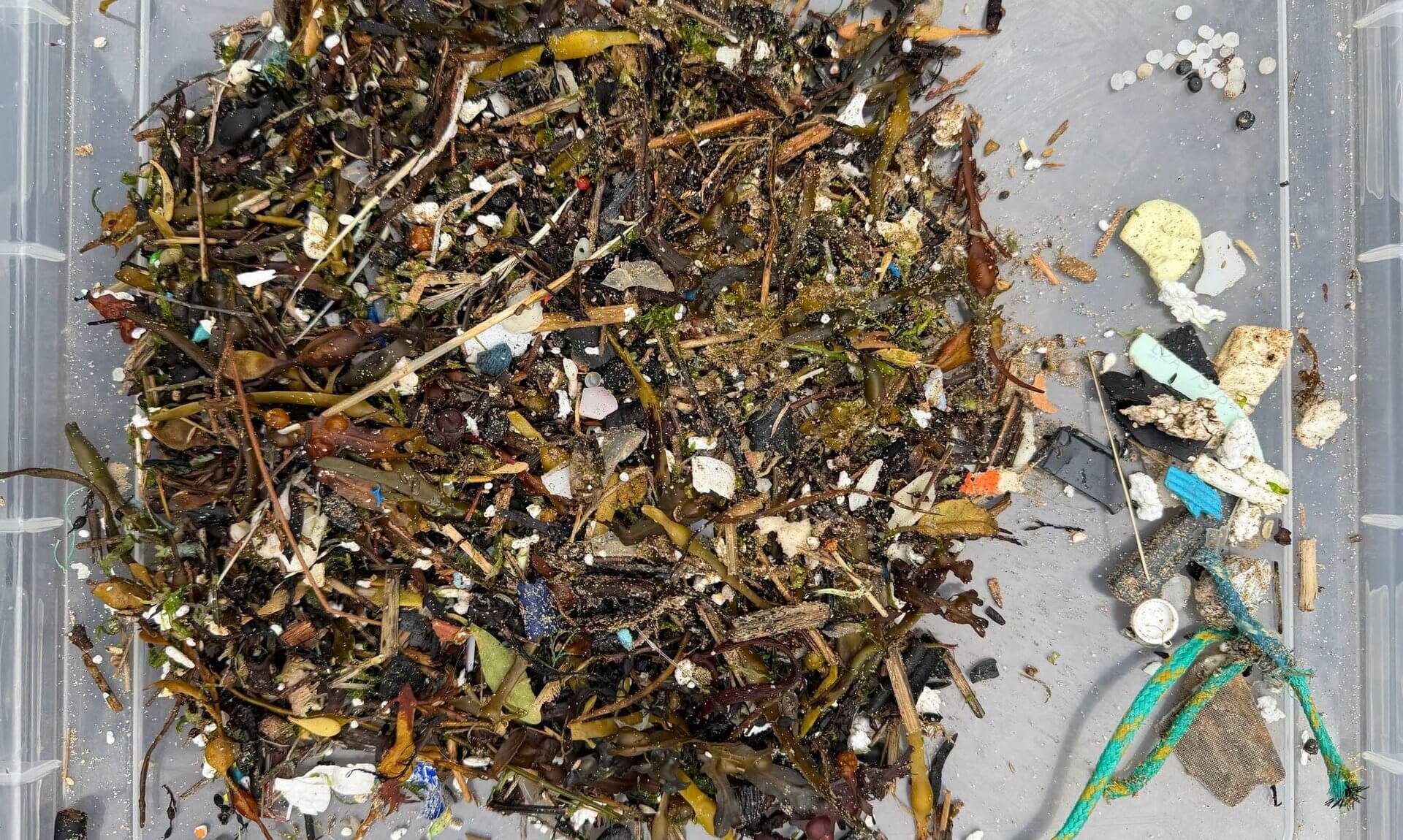
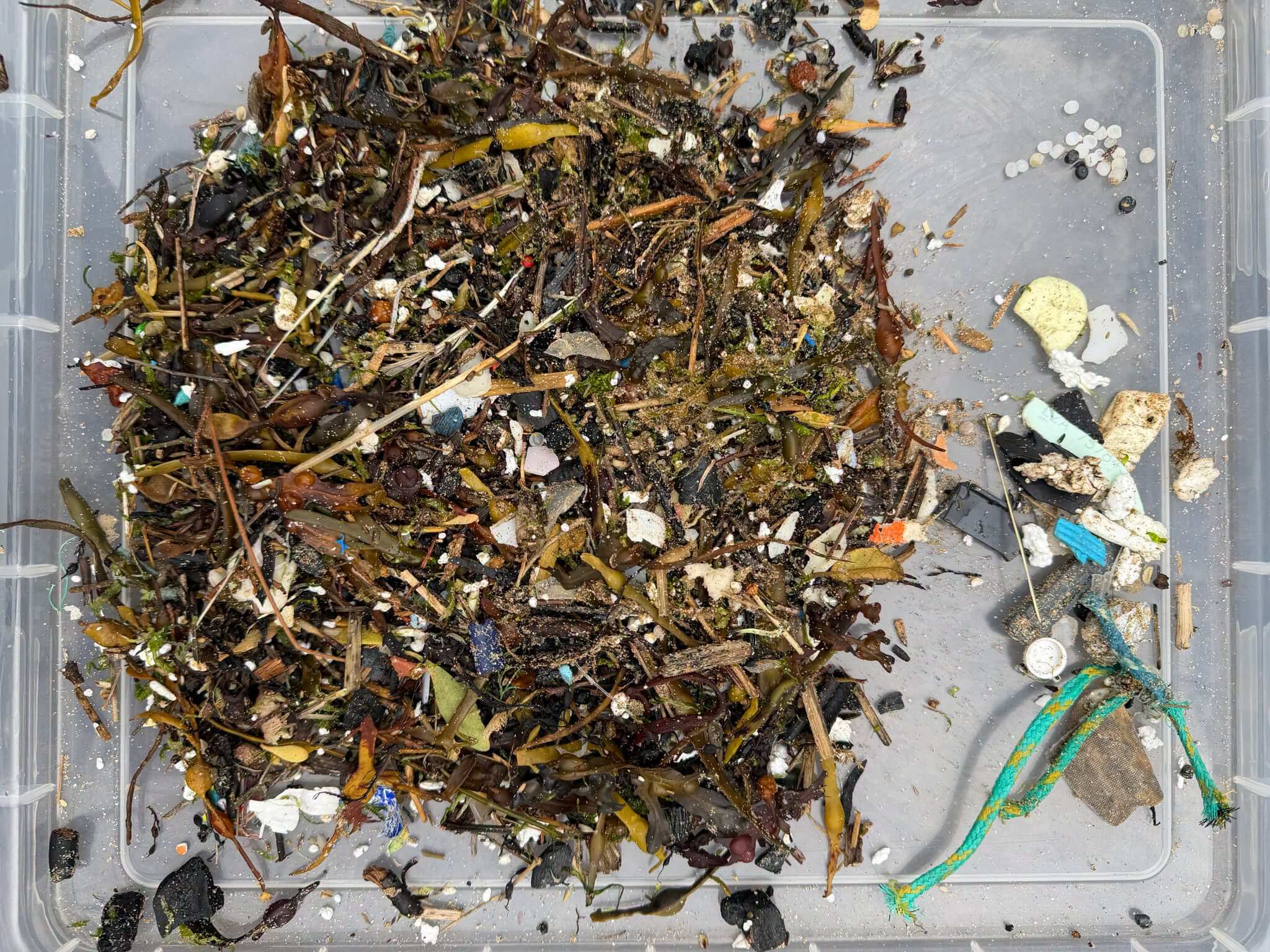
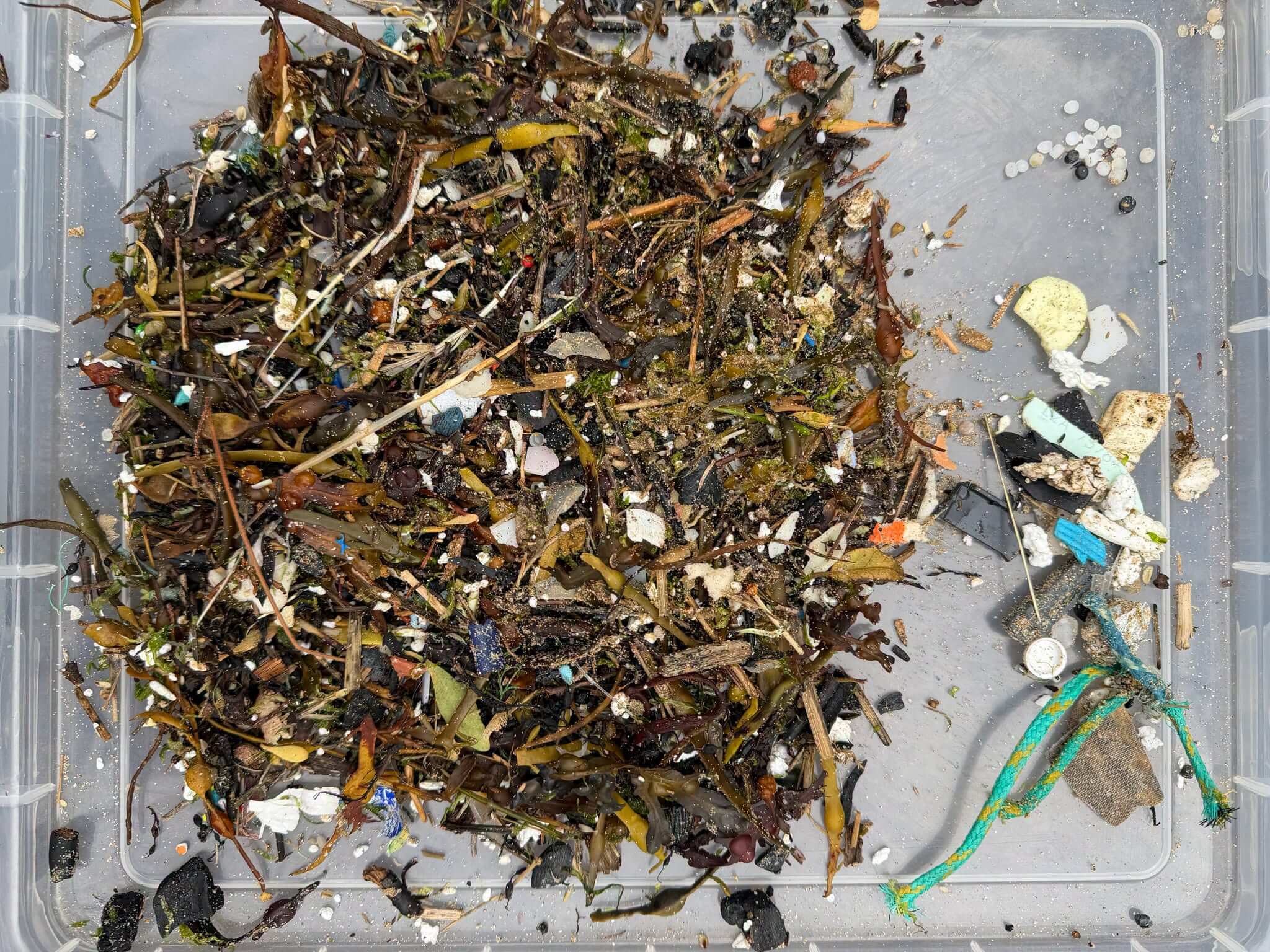
Look closely at the tangle of seaweed the tide leaves behind on Fistral Beach and there’s a chance you’ll find something that doesn’t belong. Tiny plastic pellets, each about the size of a lentil.
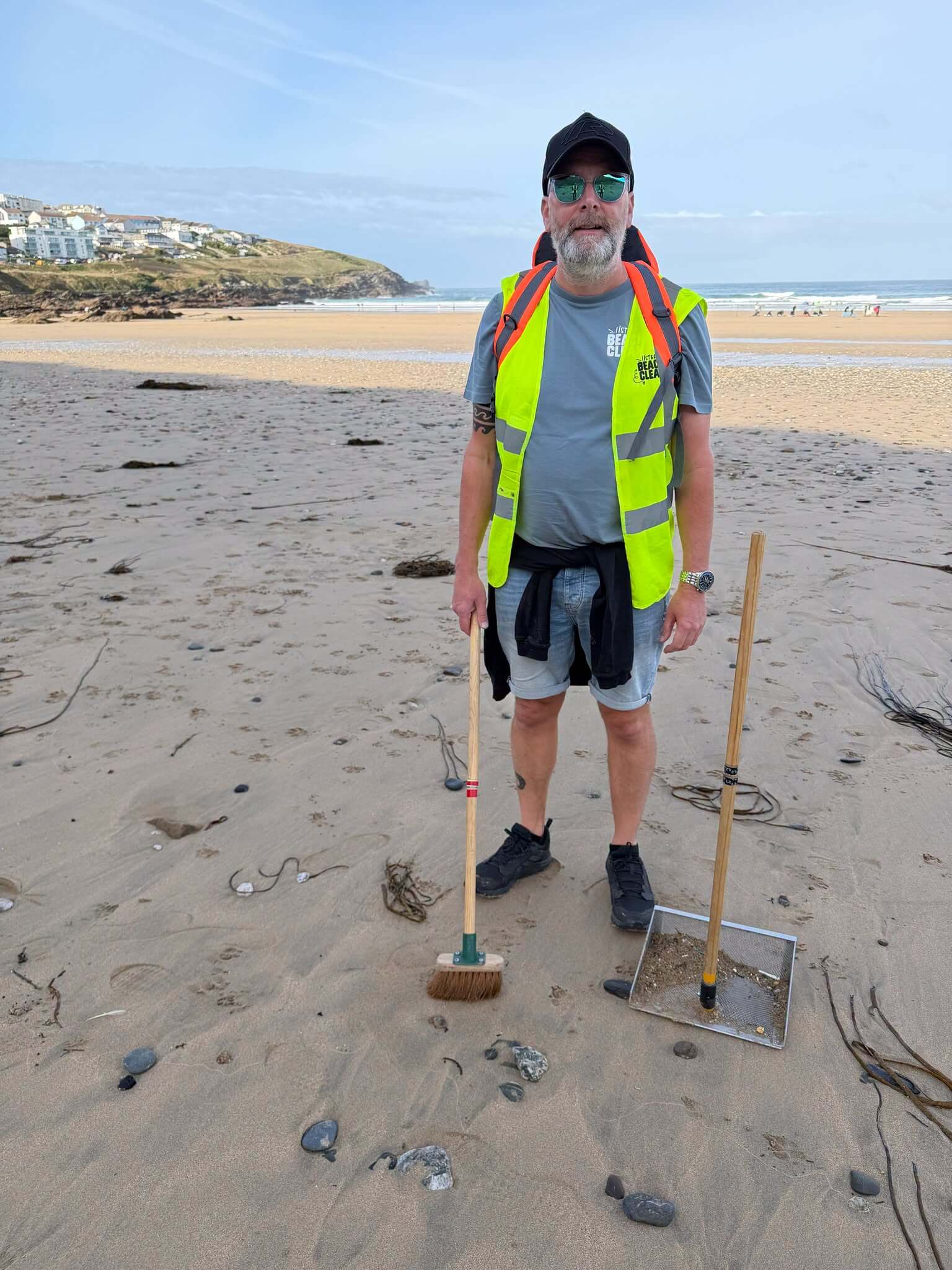
They’re called nurdles. And volunteers from Fistral Beach Clean have been out on the sand hunting for them.
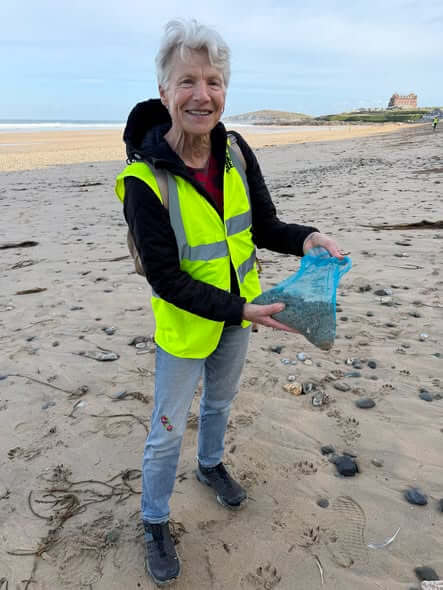
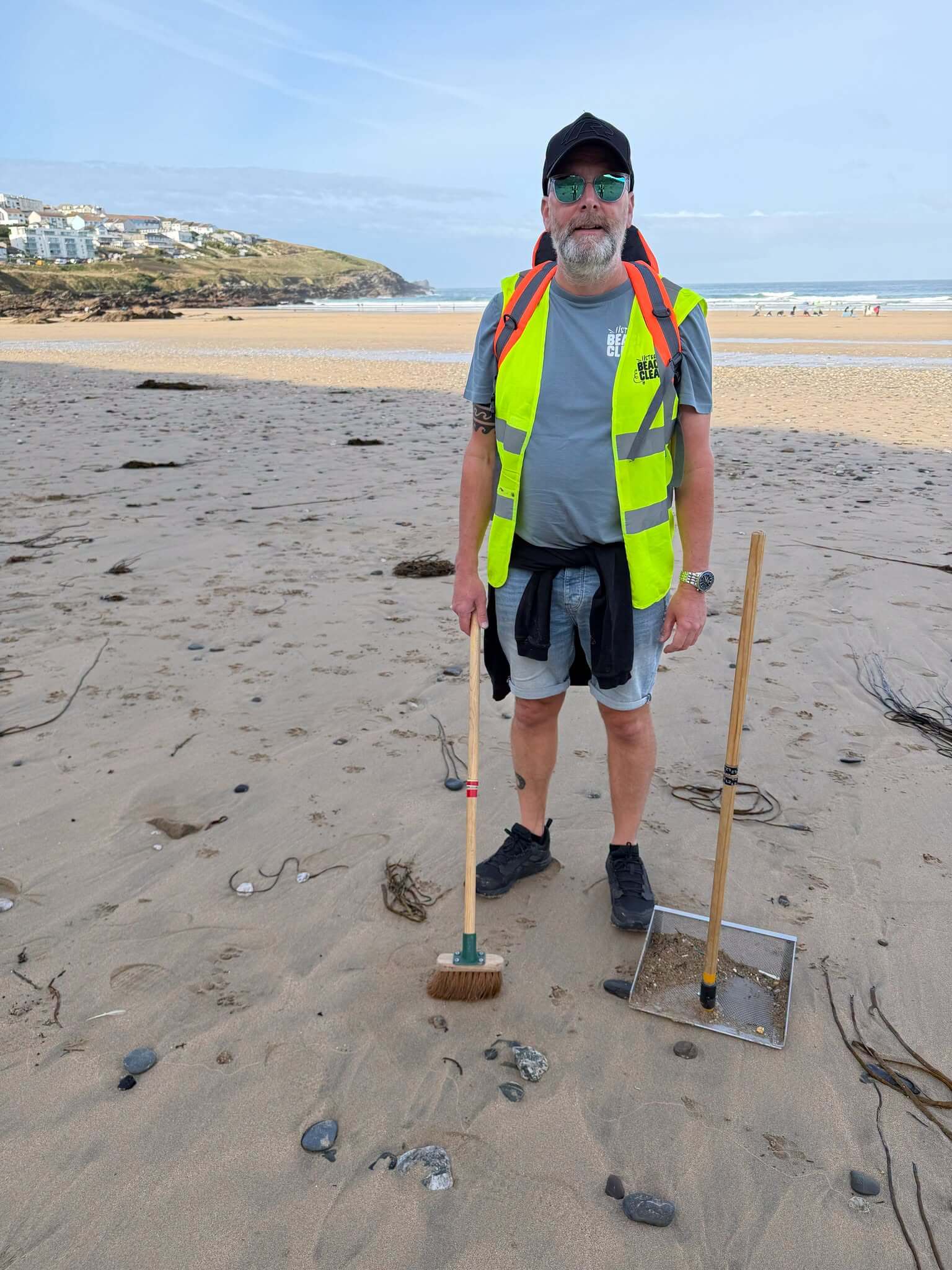
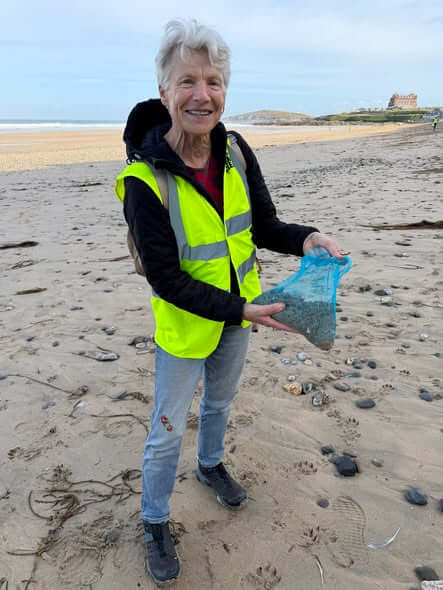
The group took part in this year’s Great Global Nurdle Hunt, run by Fidra, combing the strand line on one of Newquay‘s best-known beaches for nurdles and other microplastics.
Your daily dose of Cornwall
News, events and goings on across the Duchy
How a nurdle hunt works
It’s a slower, finer job than a regular litter pick. The volunteers use small bags made from tulle fabric, or long-handled sieves, to lift nurdles and microplastics out of the strand line (the line of seaweed and debris left behind by the tide).
Some of it is swept up with a brush. Some is scooped up by hand. The bags are then dipped in water to wash the sand out.
What’s left is a mix of plastic and organic material such as seaweed. Once that organic material has dried, the team can pick out the nurdles and the other pieces of plastic.
Why autumn is busier on Fistral
Timing makes a difference. Fistral Beach Clean says it tends to find more nurdles on the beach in the autumn and winter months, particularly after a storm with large surf and strong onshore winds.
With autumn now under way, that’s the season the group is heading into.
What are nurdles?
Nurdles are the small plastic pellets used to make nearly all plastic products. According to the Great Nurdle Hunt, they’re light, small enough to fall through drains, and they float. That’s how they reach rivers and the sea.
They can spill at any point in the plastic supply chain, from the plants that make them to the ships that carry them and the sites that recycle plastic. The campaign puts the figure at around 445,970 tonnes of nurdles getting into the environment every year, making them the second largest source of primary microplastic pollution in the world.
The biggest single spill came in 2021, when the MV X-Press Pearl released 1,680 tonnes of nurdles off Sri Lanka.
Your daily dose of Cornwall
News, events and goings on across the Duchy
The risk to wildlife
More than 700 marine species have eaten plastic debris. Animals that swallow nurdles can suffer malnutrition and possible organ damage, and the pellets can carry toxic chemicals, including phthalates, BPA and heavy metals, that pass up the food chain.
Once nurdles have spread through the environment, clearing them up is close to impossible. The campaign says stopping spills at the source is the only real answer, and there’s more on the nurdle problem on the Great Nurdle Hunt website.
Read Next
- Children, Schools & FamiliesA climbing wall one week.
Share This Story, Choose Your Platform!
To keep up with the latest cornish news follow us below
Follow CornishStuff on Facebook - Like our Facebook page to get the latest news in your feed and join in the discussions in the comments. Click here to give us a like!
Follow us on Twitter - For the latest breaking news in Cornwall and the latest stories, click here to follow CornishStuff on X.
Follow us on Instagram - We also put the latest news in our Instagram Stories. Click here to follow CornishStuff on Instagram.
- 1
- 2
- 3
- 4
- 5
- 6