Cat sharks, eels and invading oysters beneath Falmouth Harbour
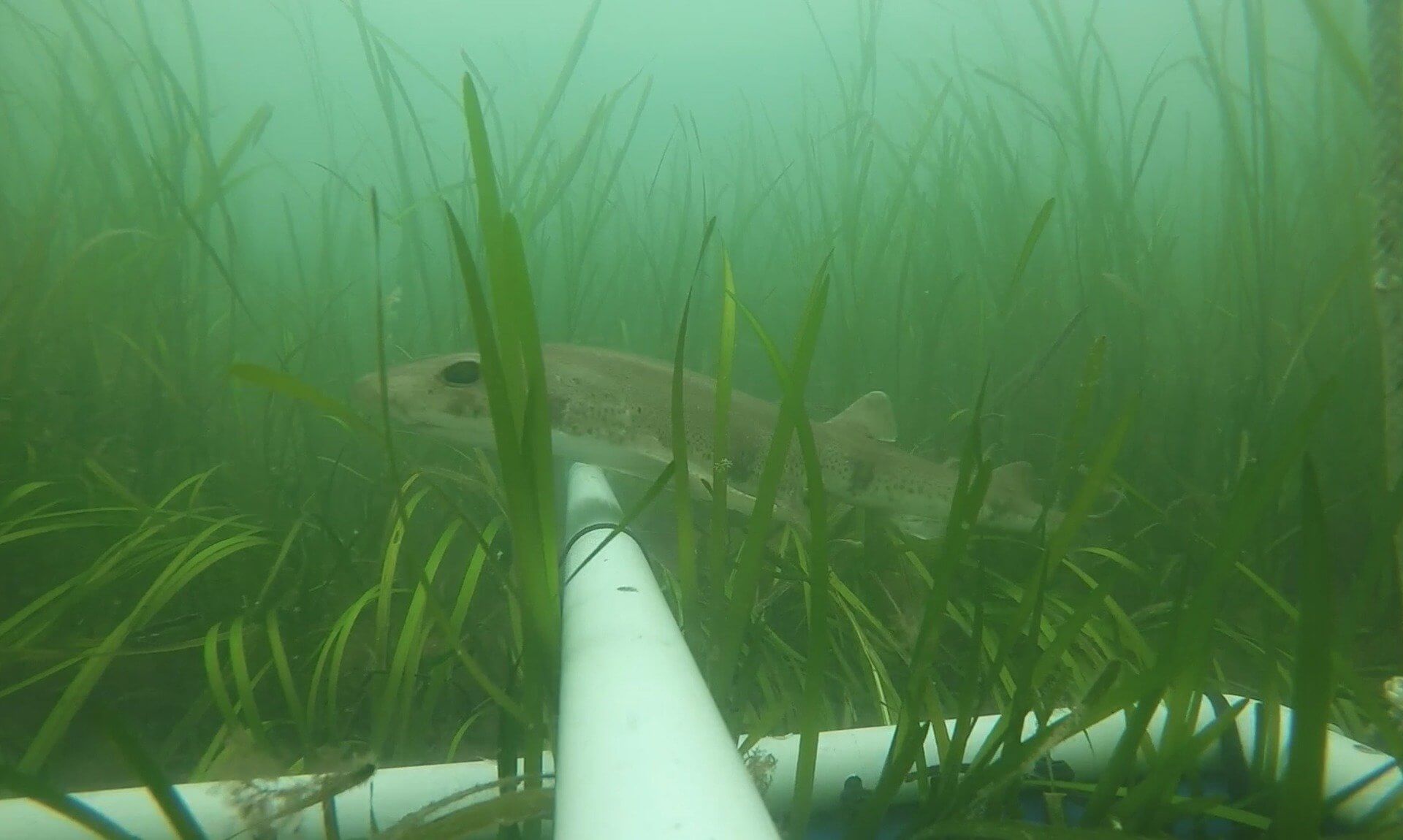
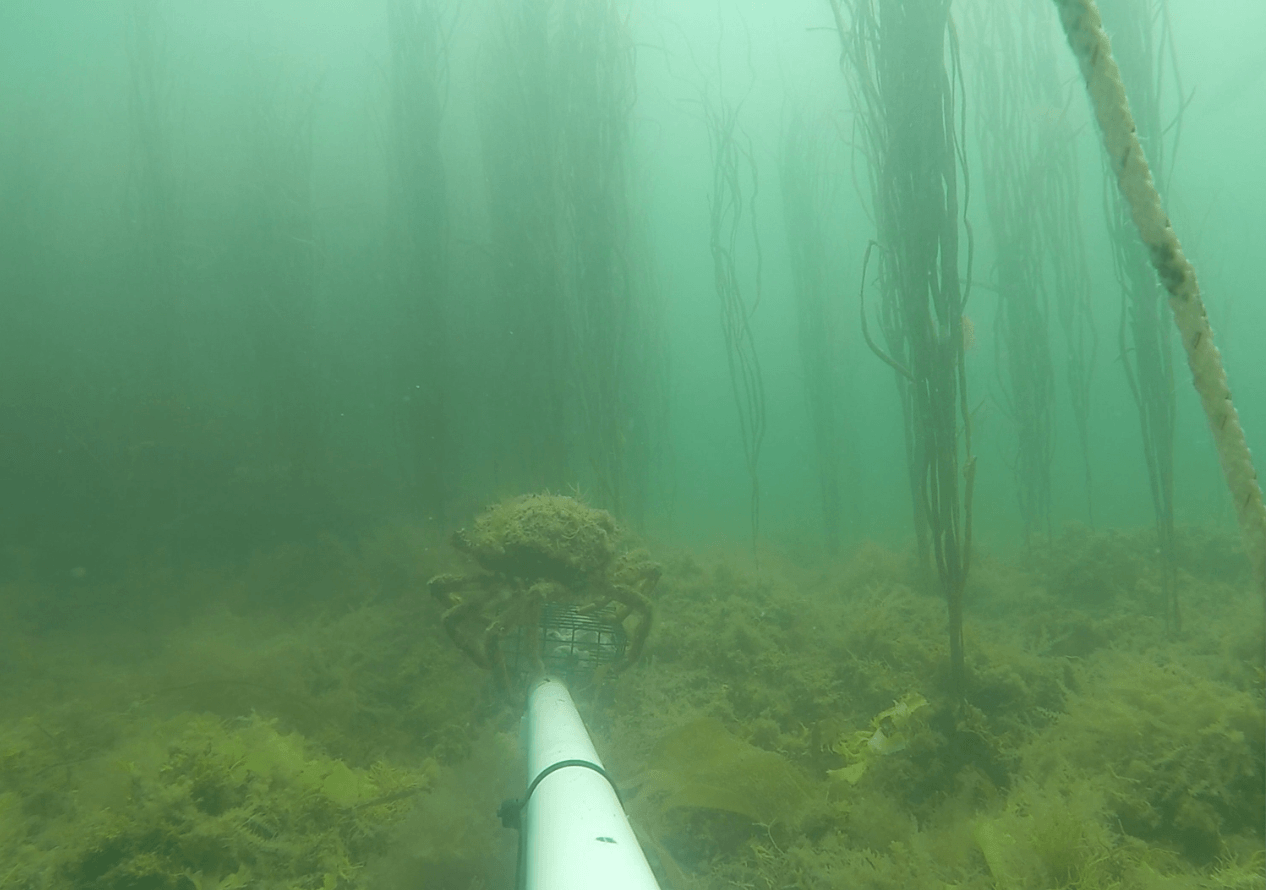
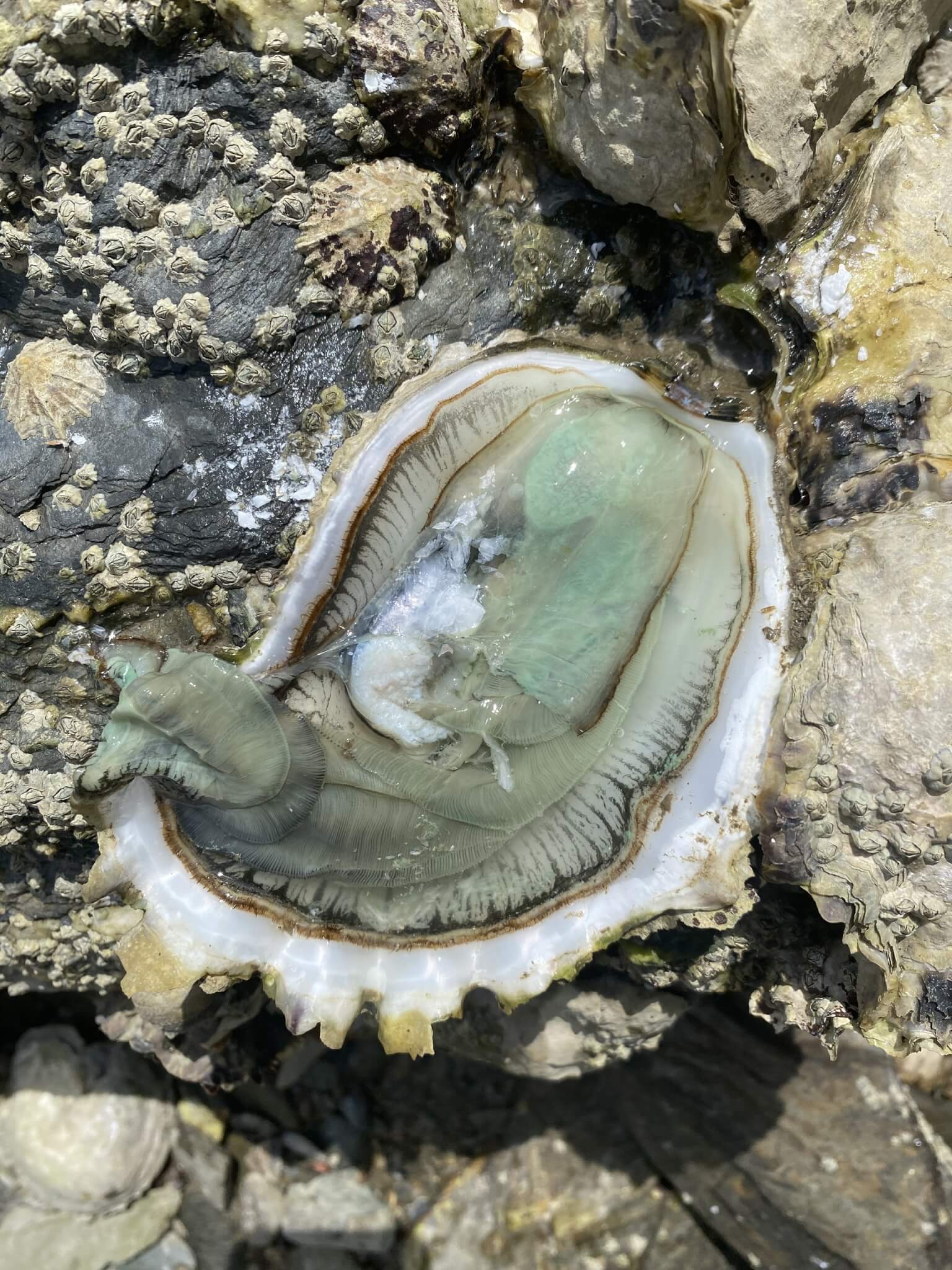
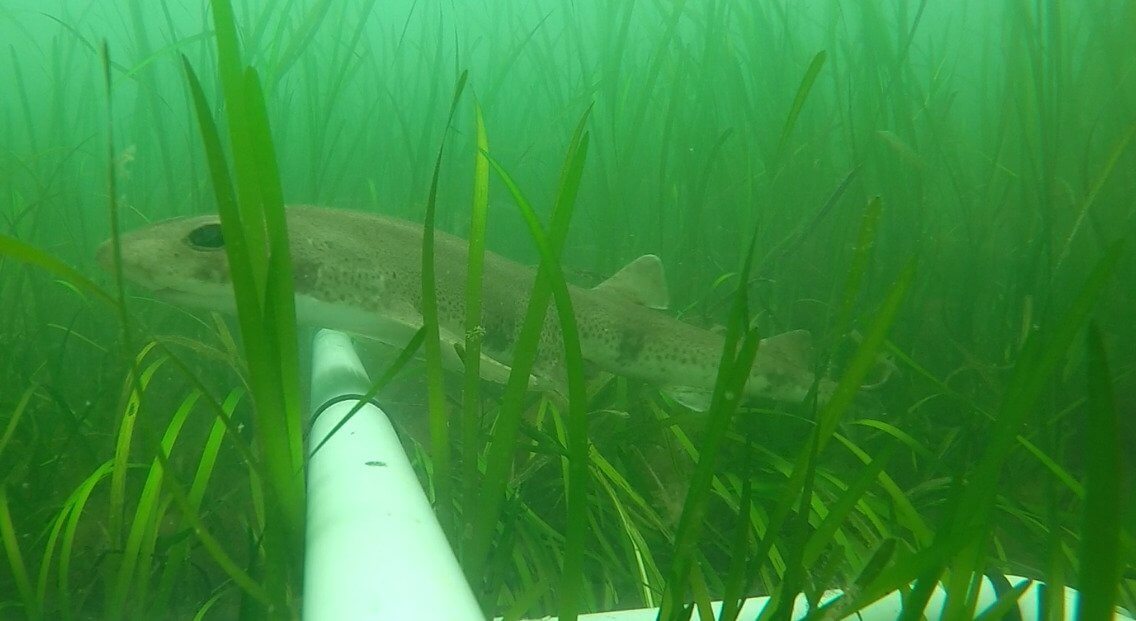
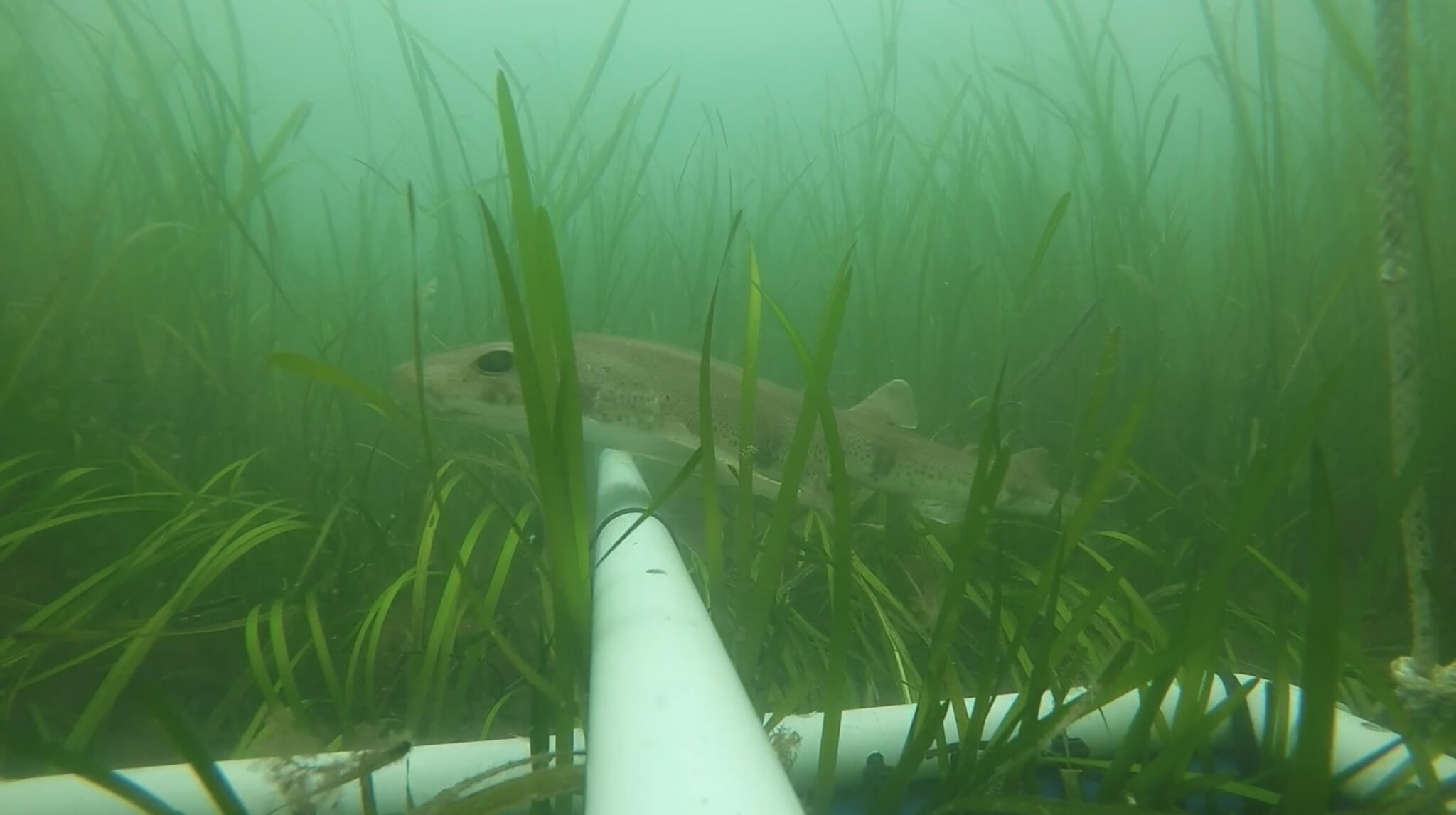
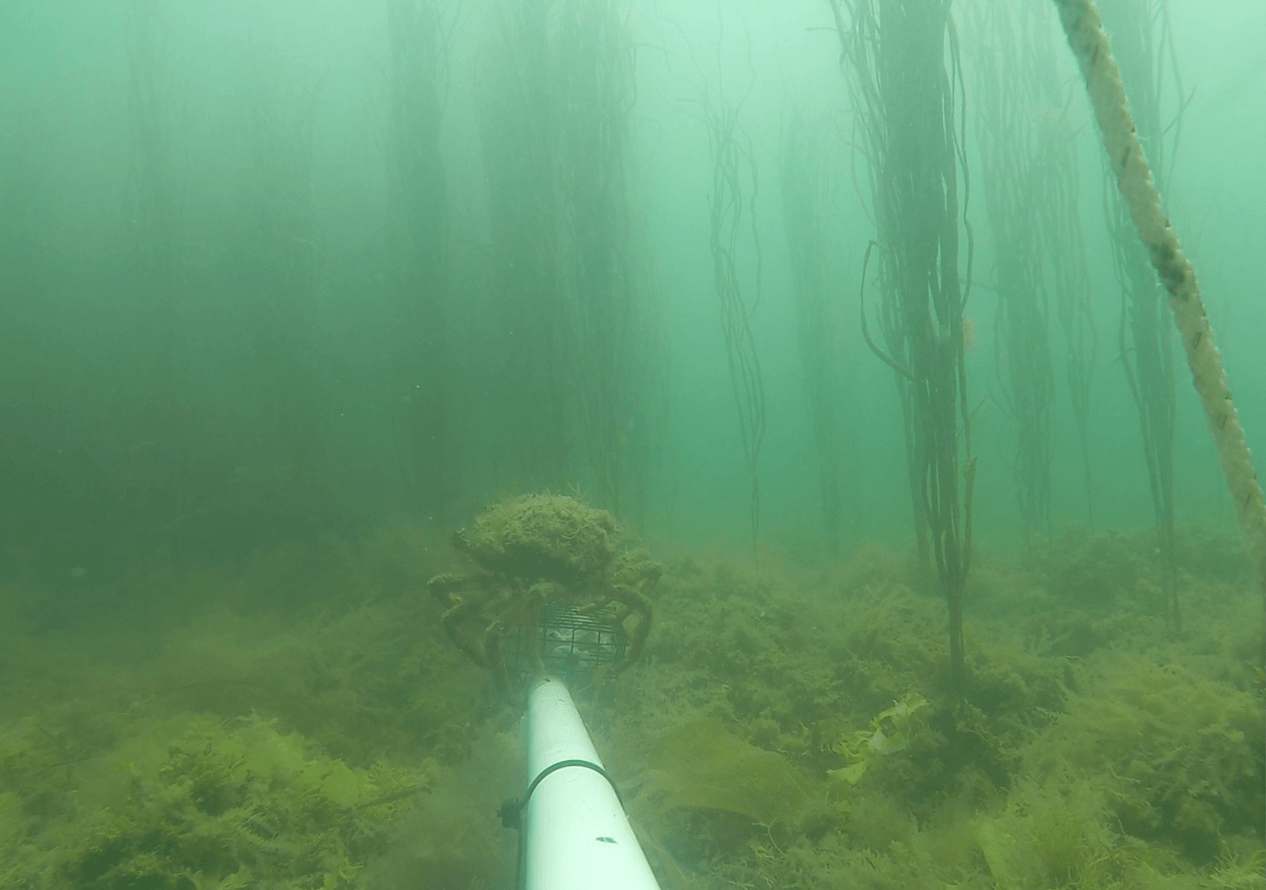
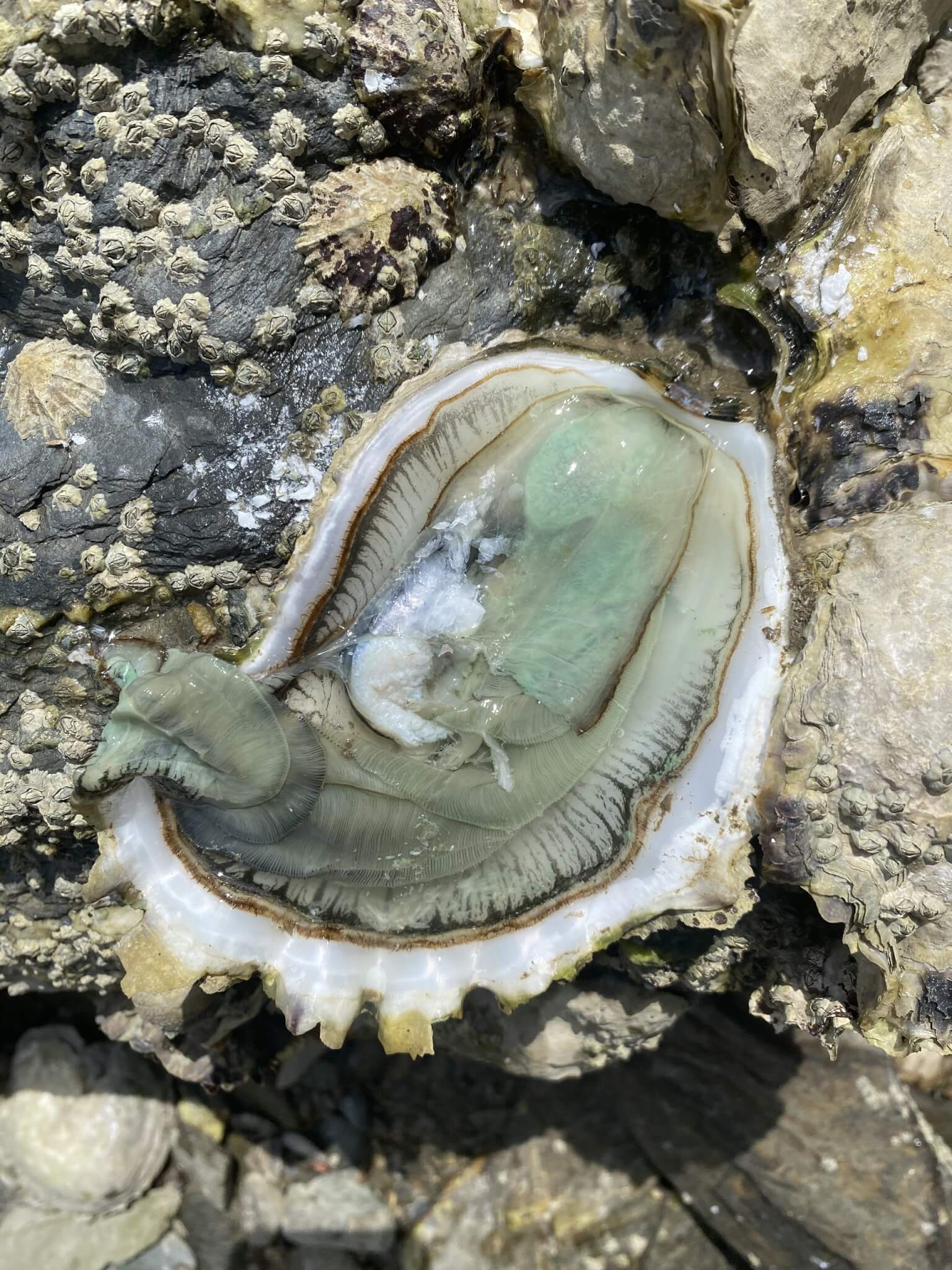
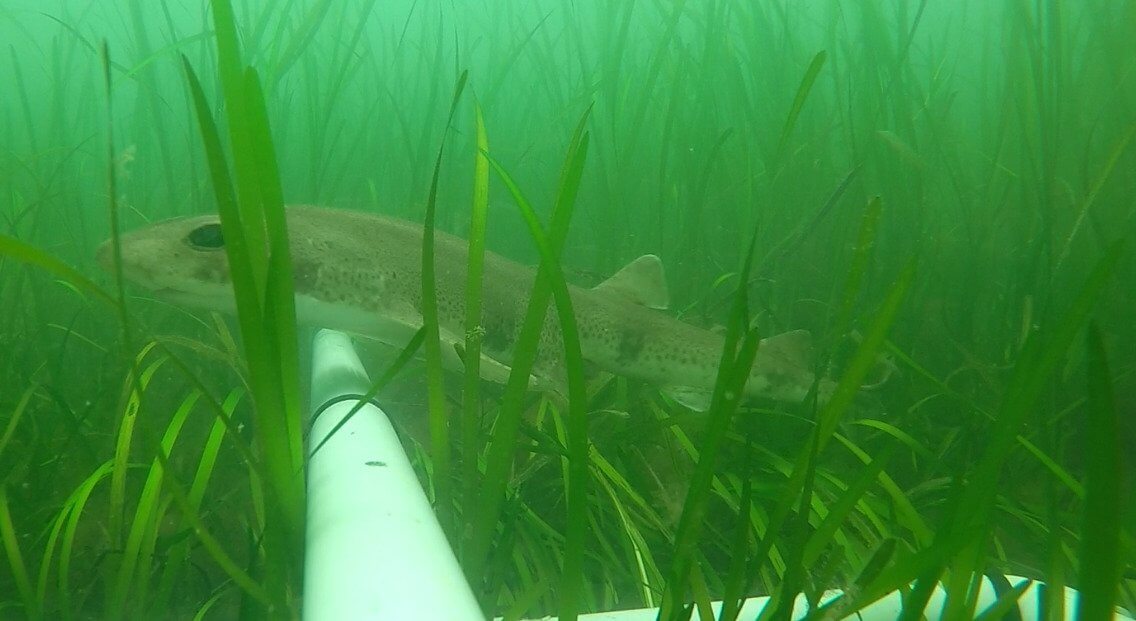
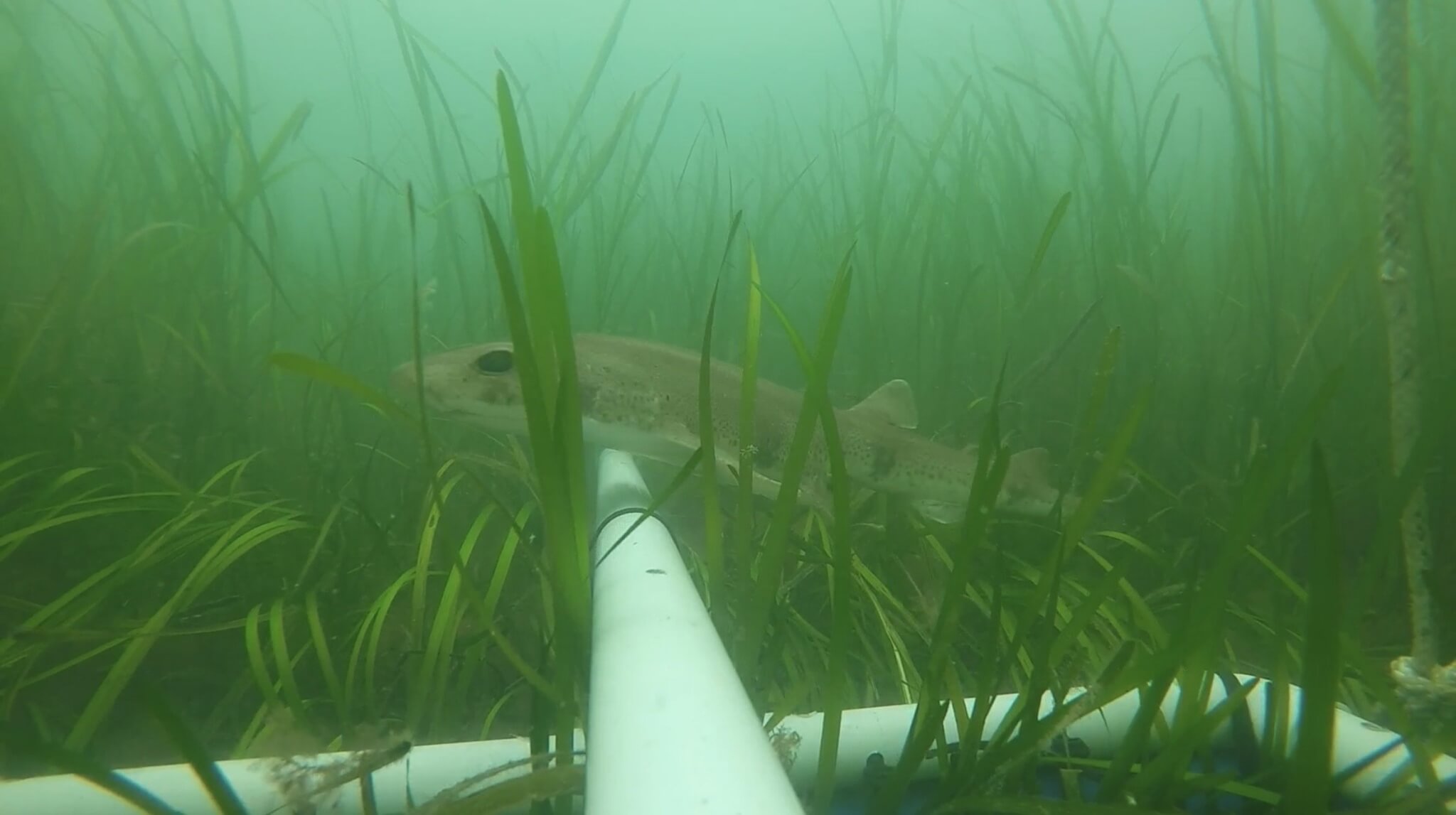
A small-spotted cat shark nosing through the seagrass. A spider crab picking its way across the kelp. And, a little further along the shore, an oyster that has no business being here at all.
Two University of Plymouth MSc Marine Conservation students have spent their Masters projects looking beneath the surface of Falmouth Harbour, and what they found is now helping shape how some of its most sensitive marine habitats are looked after.
Your daily dose of Cornwall
News, events and goings on across the Duchy
Cameras on the seabed
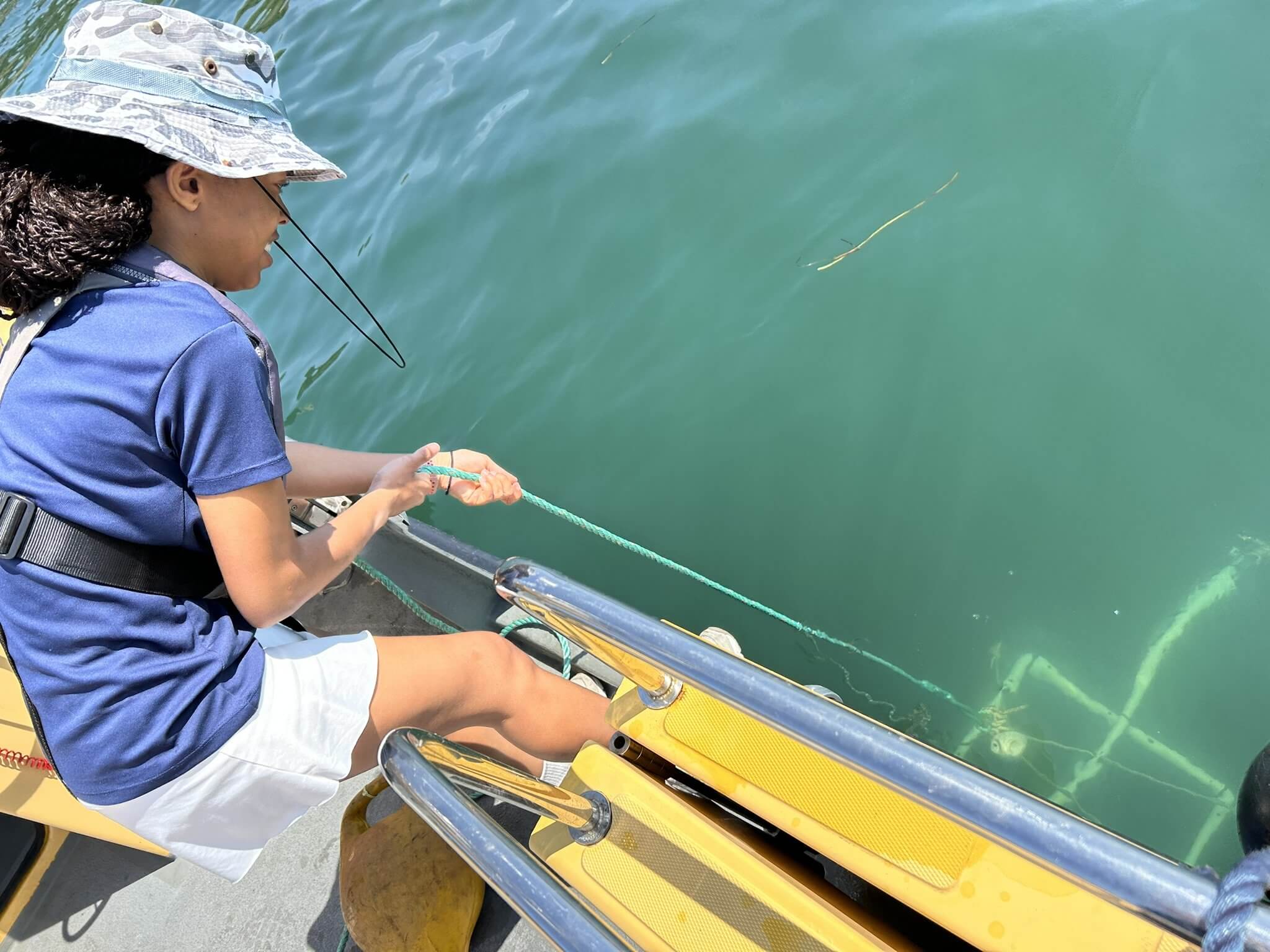
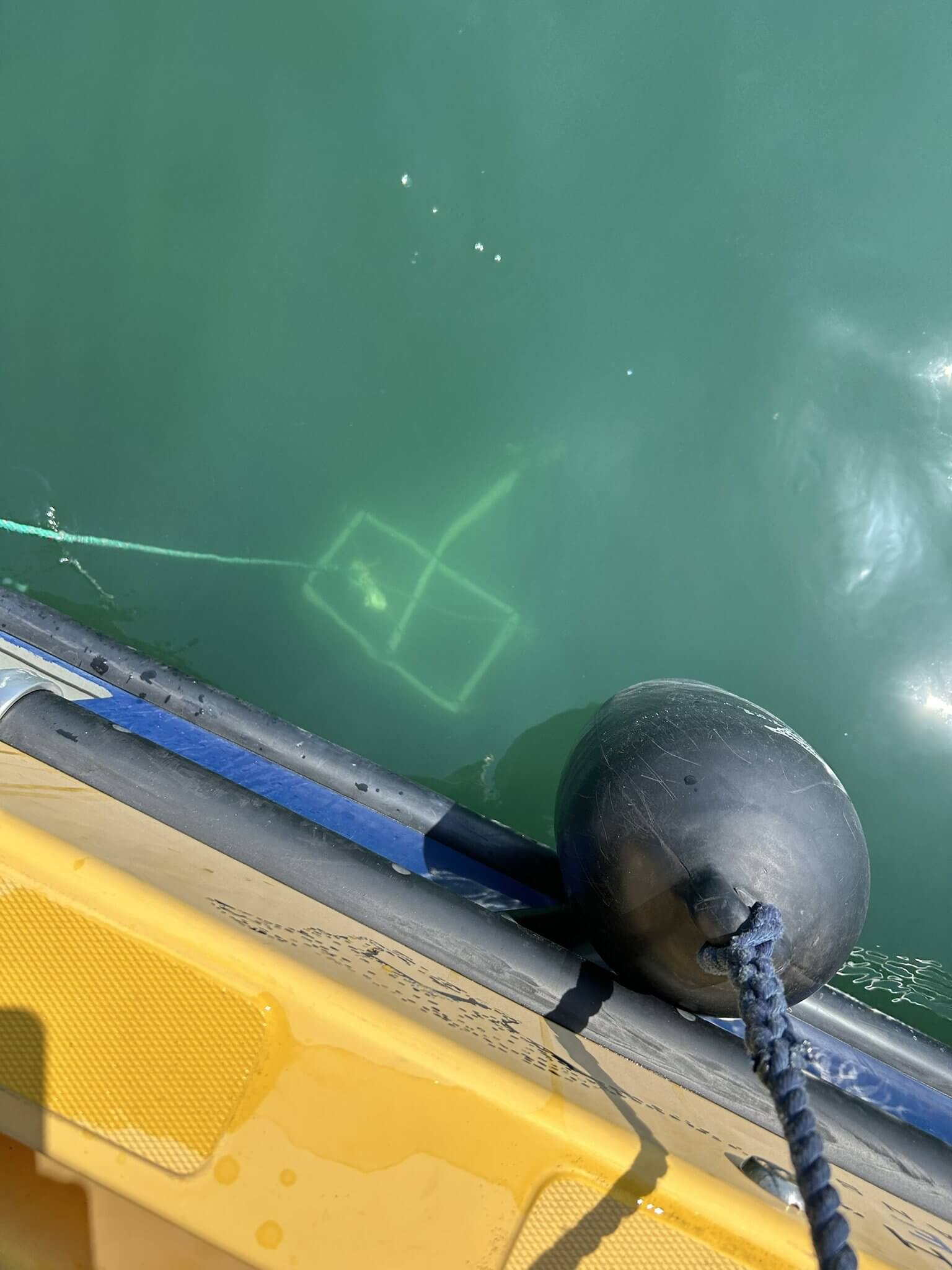
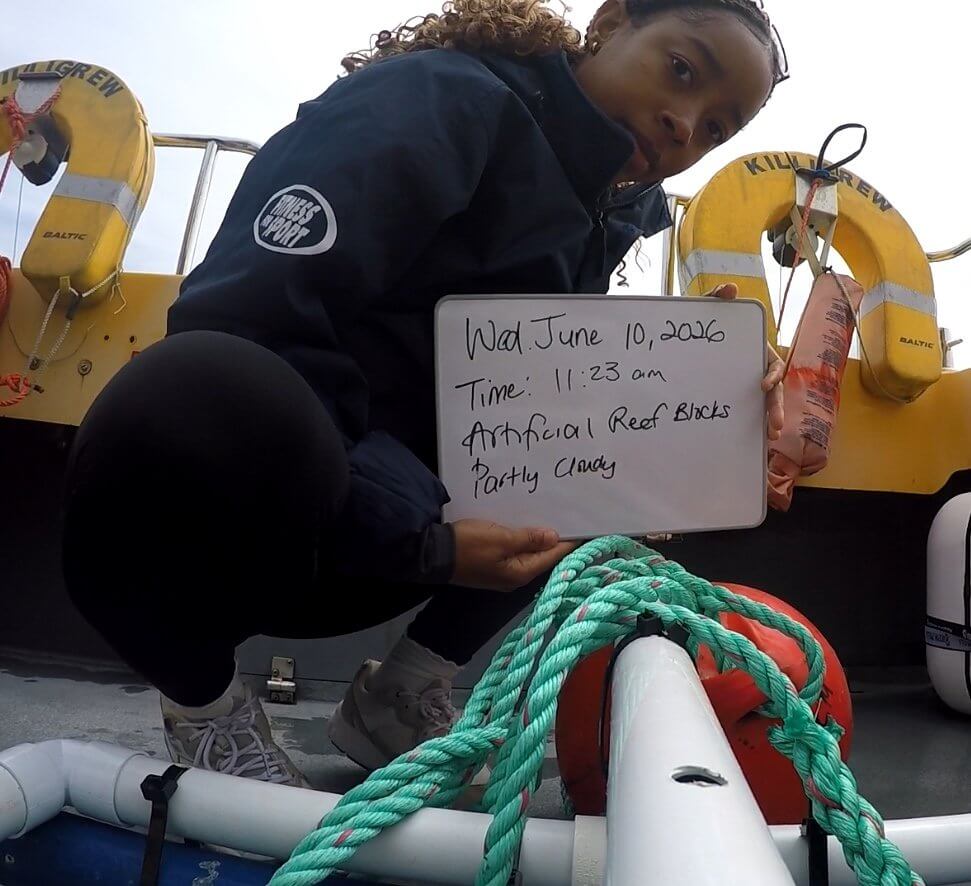
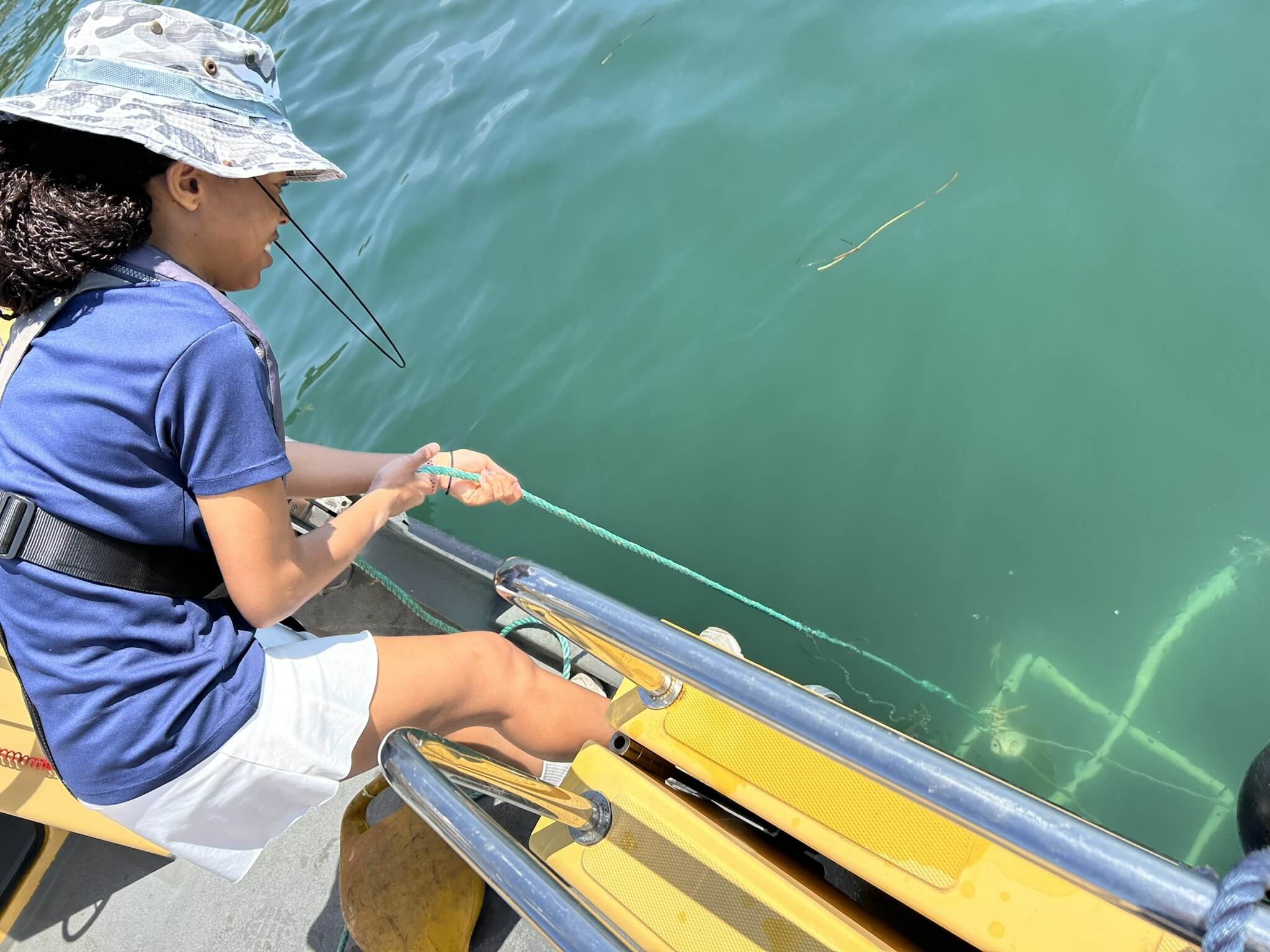
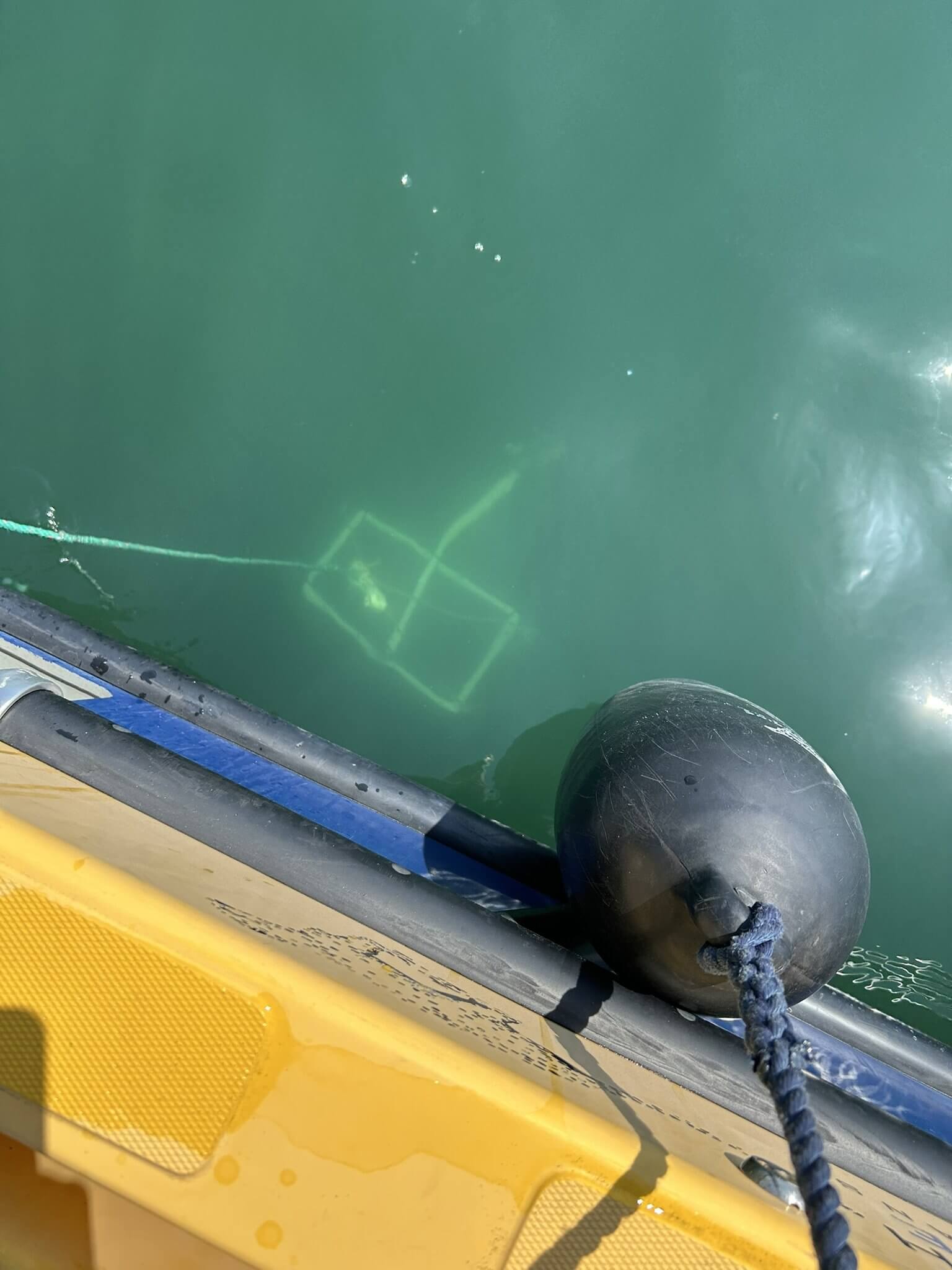
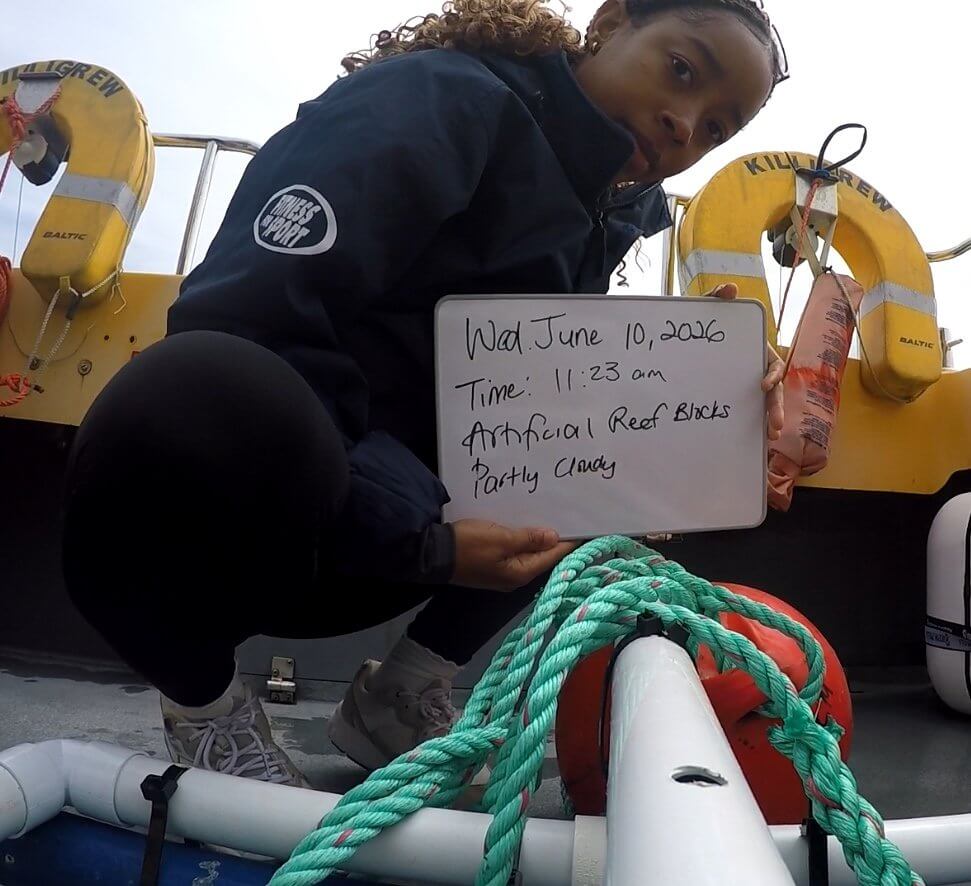
Supported by Falmouth Harbour, Khianna Lee deployed Baited Remote Underwater Video Systems (BRUVS) to film the marine life around the harbour.
She compared artificial habitats, made up of reef cubes and habitiles, with natural seagrass meadows and kelp forests, to see which supported the most life.
545 animals, counted one by one
Khianna recorded and painstakingly counted 545 individual animals across 18 families and four classes.
The artificial habitats recorded the greatest abundance. On the reef cubes she counted shoals of up to 169 sand smelt at a time.
But the seagrass meadows supported the highest species richness and the greatest overall diversity.
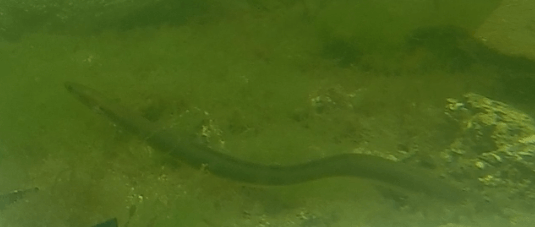
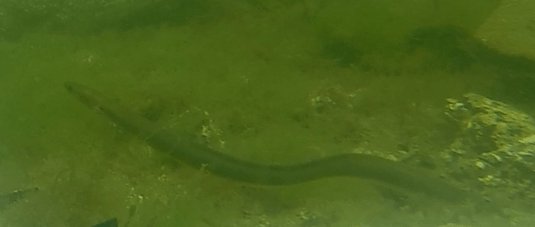
A critically endangered eel by the habitiles
“People see the surface of the sea, but very few get the incredible opportunity I’ve had of observing the complex ecosystems thriving beneath it,” says Khianna.
“What I’ve found is that engineered structures can and are helping provide habitats for marine life (I even recorded a critically endangered European eel near the wall of habitiles).
“But my findings also reinforce the exceptional ecological value of established natural habitats and the importance of protecting and enhancing them, which I know Falmouth Harbour constantly strives to do.
“I hope this project piques people’s interest, especially among schoolchildren, about the incredible world beneath our seas and the need to take care of it.”
Your daily dose of Cornwall
News, events and goings on across the Duchy
The oysters that keep coming back
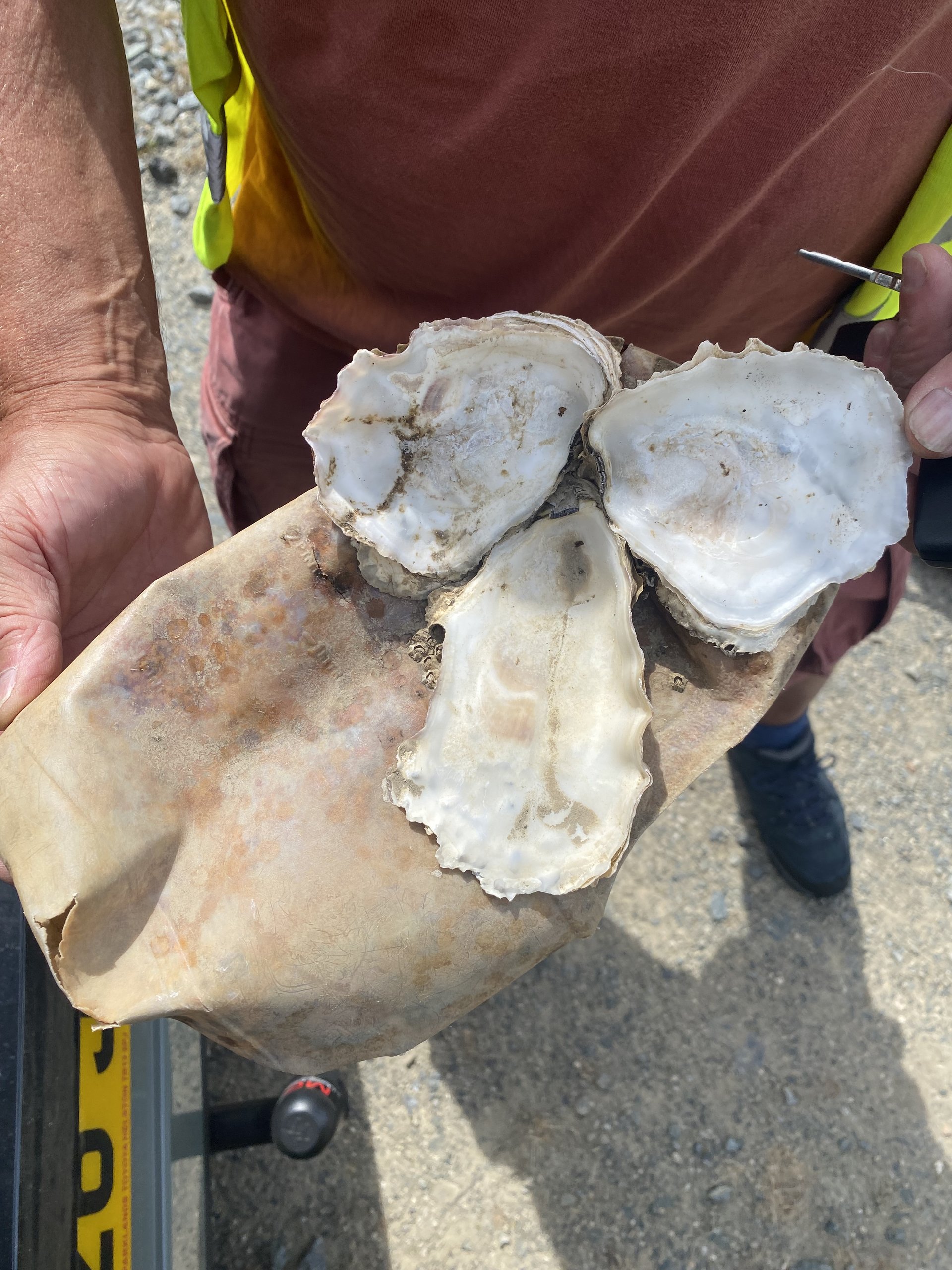
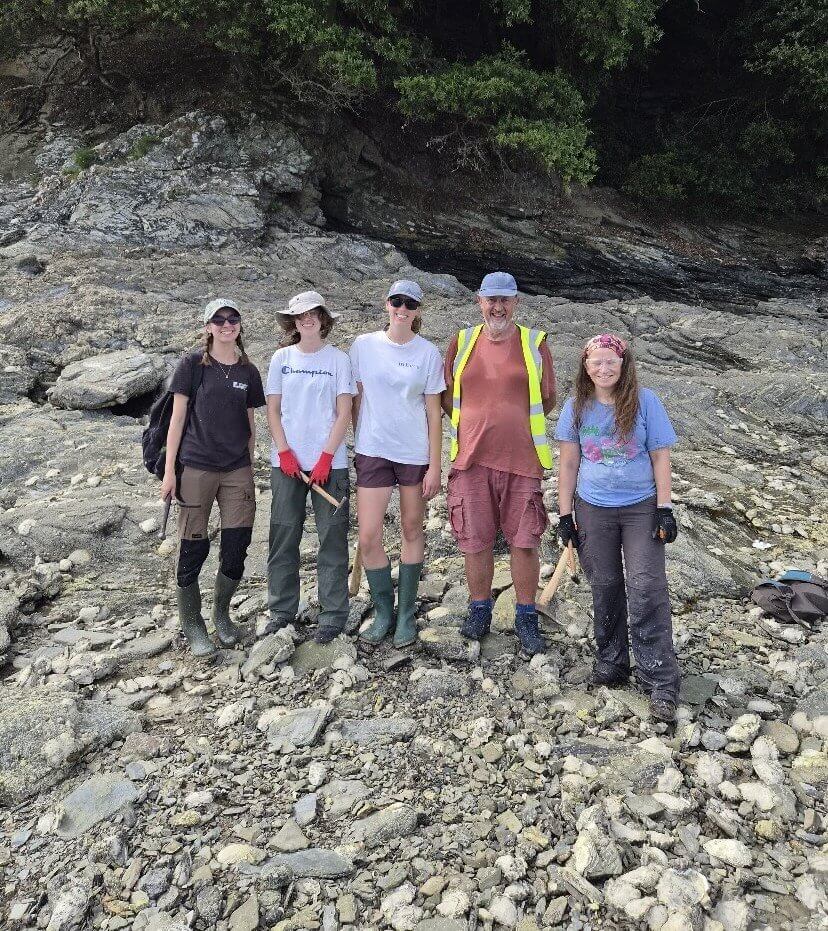
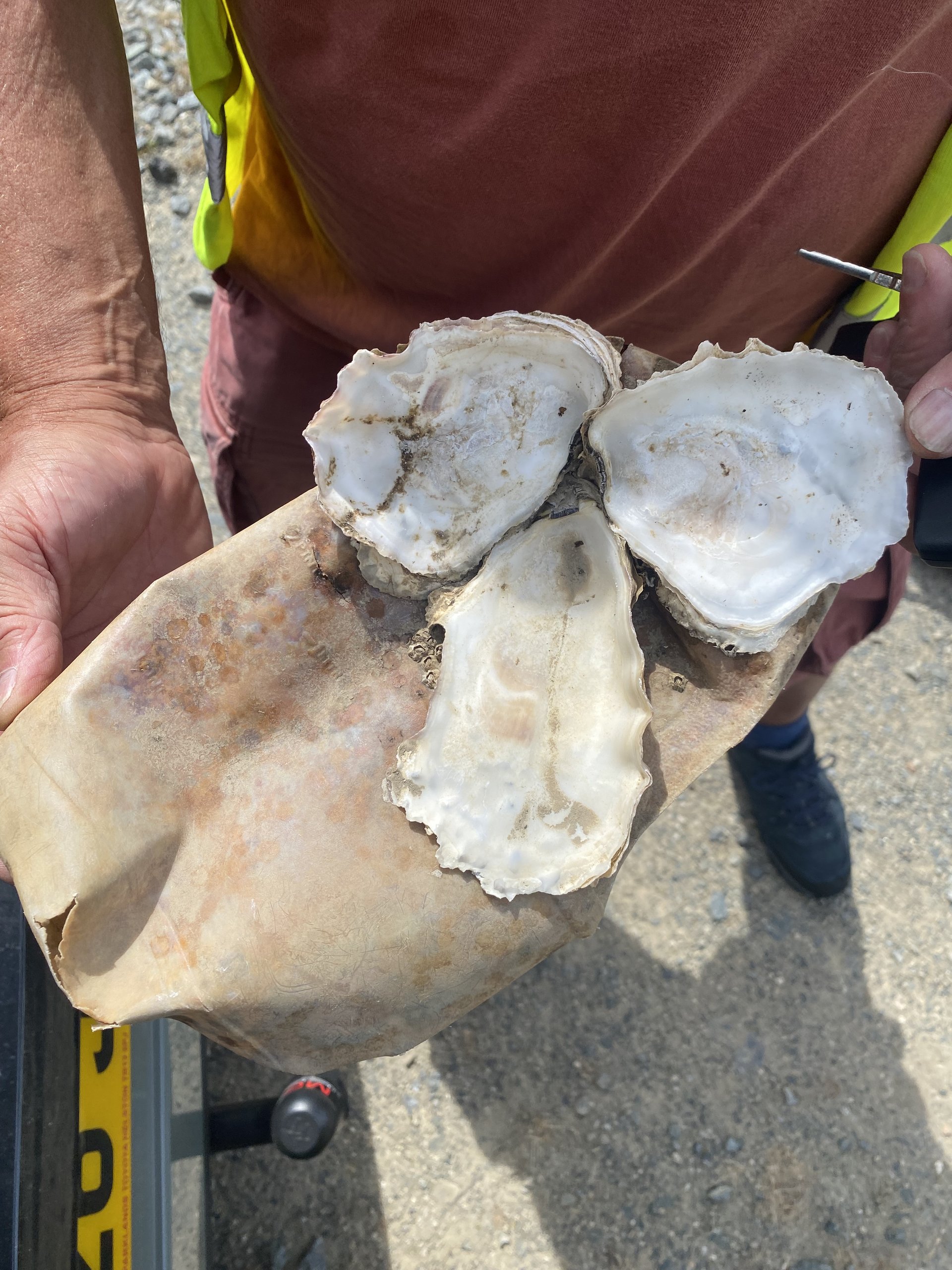
Nadine Milner’s project looked at something far less welcome: the numbers of invasive Pacific oysters in Falmouth Harbour, specifically in and around the Fal and Helford Special Area of Conservation (SAC).
She worked closely with Falmouth Harbour and the Falmouth Marine Conservation group.
Left unchecked, Pacific oysters can build up deep beds that form large reefs, which can encroach on important protected estuarine habitats. Regular attempts at culling them have taken place since 2019, but they have done little to dent the spread.
Mapping where the risk lies
“I’ve been building a spatial risk map combining Pacific oyster density with their distance from sensitive habitats, including seagrass, kelp and maerl,” says Nadine.
“Pacific oyster abundance has actually increased since culling started, and around 2 km of the SAC was identified as being potentially at risk.
“We may not be able to eradicate this invasive species from our waters, but the findings should help to focus future efforts to protect particularly important and sensitive habitats.
“I was so grateful for the support from Falmouth Harbour and the Falmouth Marine Conservation group who are making heroic efforts to control these invaders. It was fantastic to have the opportunity to present my research at the SAC Management Forum.”
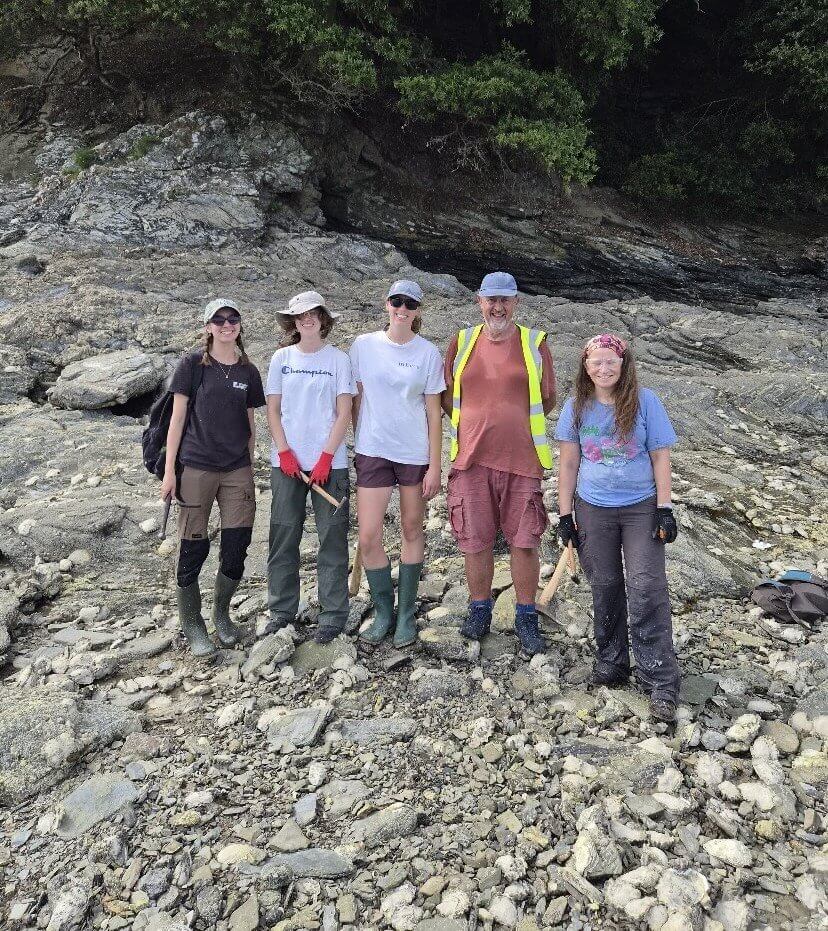
Natural England and Cornwall Council were also involved in the two projects. Special thanks went to Chris Sharpe of Falmouth Marine Conservation’s Oyster Surveys, who has put vast amounts of effort into controlling local Pacific oyster populations. Volunteers clearing the oysters by hand have featured on CornishStuff before.
What the harbour and the university say
Falmouth Harbour’s Environment Manager Vicki Spooner said: “We feel privileged to have supported Khianna and Nadine with research that is both academically robust and directly relevant to the management of our local marine environment.
“Their work gives us valuable evidence about the role of nature-inclusive infrastructure, the importance of natural habitats such as seagrass and where collaborative action on Pacific Oysters may be most effective. It also shows what can be achieved when students, researchers, volunteers and local organisations work together.”
Both projects will feed into future monitoring, partnership working and practical marine management. Falmouth Harbour hopes the students’ work will encourage more collaboration between universities and the organisations trying to understand, protect and restore the marine environment.
Professor Emma Sheehan, Professor of Marine Ecology at the University of Plymouth and Director of its Centre for Marine Biology and Conservation Science (CMACS), said: “Khianna and Nadine’s work demonstrates how student-led research can make a meaningful contribution to marine conservation.
“Through our strong partnership with Falmouth Harbour, students have the opportunity to tackle real management issues, producing robust scientific evidence that helps guide the protection and sustainable management of these valuable coastal habitats.”
Your daily dose of Cornwall
News, events and goings on across the Duchy
More footage to come
Falmouth Harbour will be sharing more of the videos and images Khianna and Nadine captured during their projects. Its environmental, leisure and commercial work is on the Falmouth Harbour website, and details of the course are on the University of Plymouth’s MSc Marine Conservation page. It is the only UK MSc programme to focus on marine conservation in practice.
Read Next
- LauncestonParents at Launceston College were asked what they thought of their children's school.
Share This Story, Choose Your Platform!
To keep up with the latest cornish news follow us below
Follow CornishStuff on Facebook - Like our Facebook page to get the latest news in your feed and join in the discussions in the comments. Click here to give us a like!
Follow us on Twitter - For the latest breaking news in Cornwall and the latest stories, click here to follow CornishStuff on X.
Follow us on Instagram - We also put the latest news in our Instagram Stories. Click here to follow CornishStuff on Instagram.
- 1
- 2
- 3
- 4
- 5
- 6