UK Cyber Incidents Rise 130% As Experts Warn About Phishing Scams
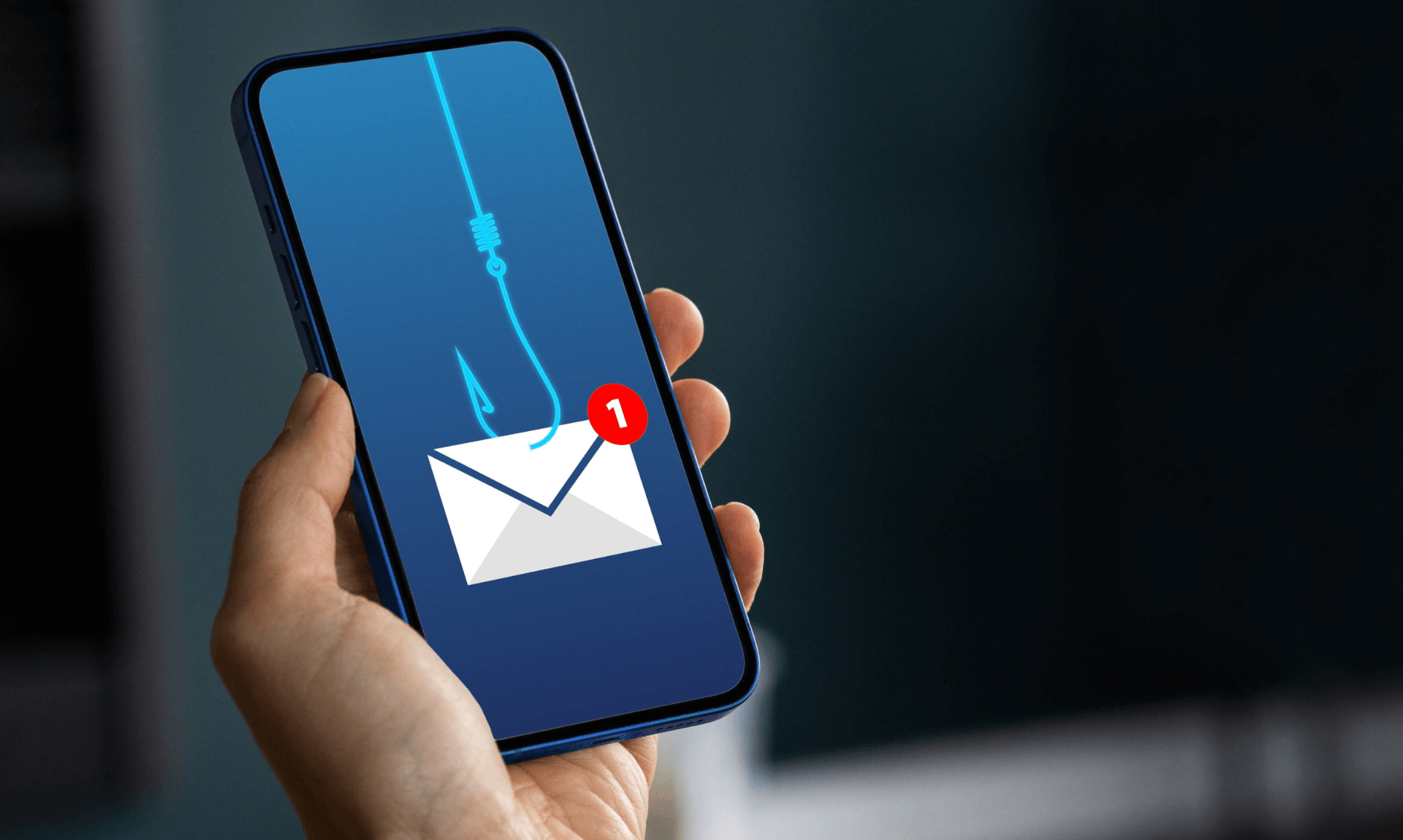
Cyber Attacks Surge 130% and Many Start With One Message
The public and businesses across the UK are being urged to stay alert to increasingly sophisticated phishing scams after a sharp rise in serious cyber incidents.
The National Cyber Security Centre (NCSC) has reported a 130% increase in nationally significant cyber incidents over the past year. In response, e learning provider High Speed Training has issued fresh advice to help people recognise the warning signs of digital scams.
Phishing accounts for the majority of reported cyber breaches in the UK. However, experts say the threat has evolved well beyond traditional scam emails.
AI Making Scams Harder to Spot
According to High Speed Training, cyber criminals are now using artificial intelligence to create far more convincing scams. These include “smishing” through text messages and “vishing” through phone calls.
Dr Richard Anderson, Learning Experience Director at High Speed Training, said scammers are increasingly targeting people rather than technology.
Richard Anderson said:
“Phishing is a ‘human-centric’ crime. It doesn’t rely on hacking a computer; it relies on hacking a person’s trust. In 2026, scammers use AI to remove traditional ‘tell-tale’ spelling errors and create highly personalised messages that reference real projects or familiar brands.
“Whether it’s a fake parcel delivery text or an urgent request from a ‘colleague,’ the goal is the same: to create a sense of panic that overrides our better judgement.”
Five Warning Signs of a Digital Scam
High Speed Training has highlighted five common red flags that may indicate a message or call is fraudulent.
Unrealistic demands or offers
Unexpected refunds, prizes or huge discounts should raise suspicion. If something seems too good to be true, it likely is.
The urgency trap
Messages that pressure people to act quickly are a common tactic. Claims that an account will be suspended immediately unless a link is clicked should be verified through official websites or apps.
Suspicious sender details
Scammers often use email addresses that closely resemble genuine domains, sometimes differing by just one character.
Requests for unusual payment
Legitimate organisations will not ask for payment through unfamiliar systems, cryptocurrency or gift cards.
Vague or missing information
Authentic communications usually contain clear details such as order numbers or account references. Messages without these details should be treated with caution.
What To Do If You Click a Suspicious Link
High Speed Training also outlined steps people should take if they believe they may have interacted with a scam.
Disconnect
Turn off Wi Fi or mobile data to stop further communication between the device and the attacker.
Reset
Change passwords immediately, starting with email and banking accounts.
Report
Forward suspicious text messages to 7726 and suspicious emails to report@phishing.gov.uk.
Monitor
Check bank statements for unusual activity and run a security scan on the device.
Richard Anderson added:
“Knowing how to protect yourself from phishing threats is vital. By building a habit of questioning unexpected contact and enabling Multi-Factor Authentication (MFA) on all accounts, users can block the vast majority of these attacks before they even begin.”
More information and guidance can be found on the High Speed Training Hub and in the article What is Phishing?.
Share This Story, Choose Your Platform!
To keep up with the latest cornish news follow us below
Follow CornishStuff on Facebook - Like our Facebook page to get the latest news in your feed and join in the discussions in the comments. Click here to give us a like!
Follow us on Twitter - For the latest breaking news in Cornwall and the latest stories, click here to follow CornishStuff on X.
Follow us on Instagram - We also put the latest news in our Instagram Stories. Click here to follow CornishStuff on Instagram.
You Might Also Be Interested In





Don’t Miss What’s Happening in Cornwall
Join others in Cornwall by receiving the latest daily news in Cornwall, sent direct to your inbox.