Golitha Falls: the NHS scheme teaching kids to cope with big feelings
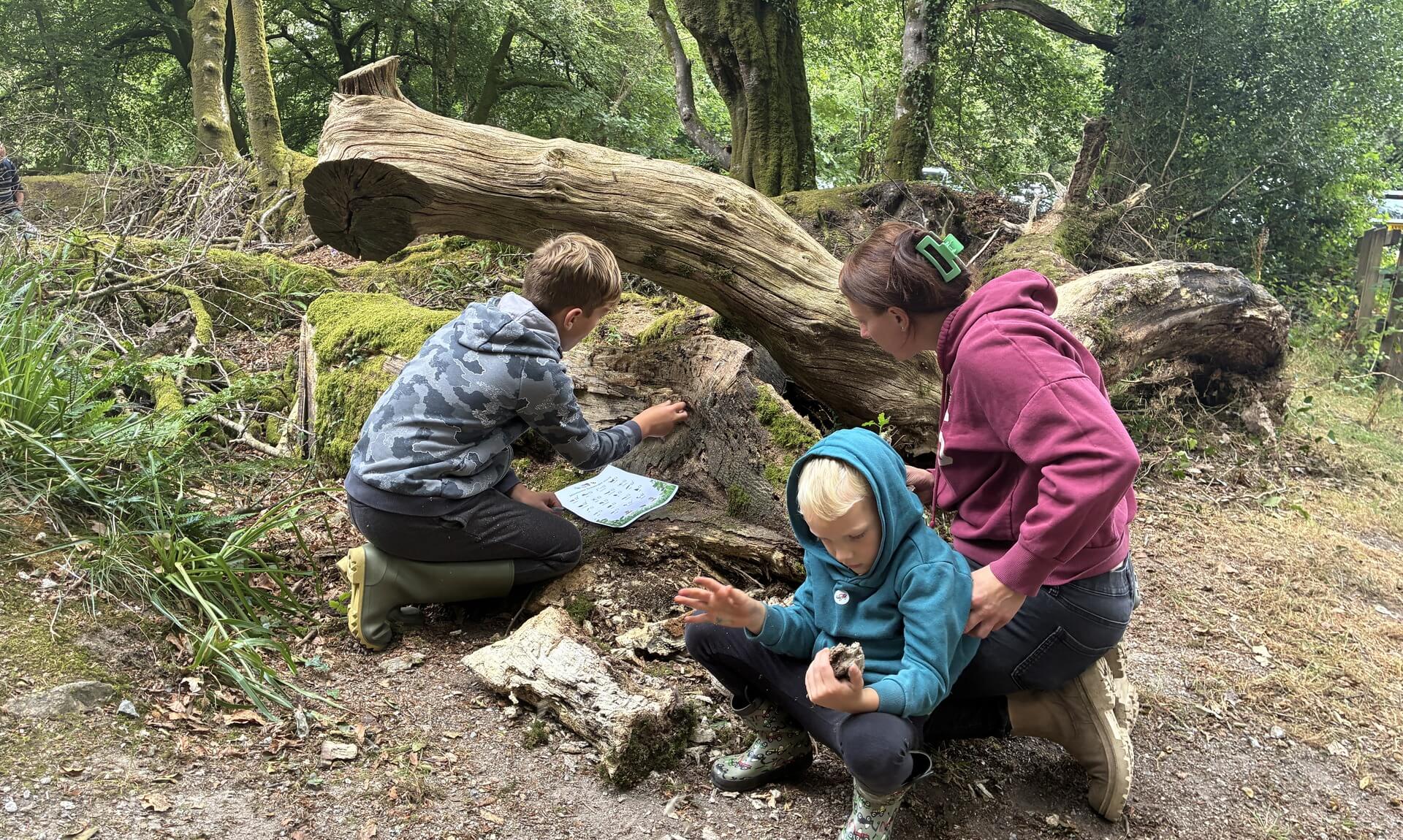
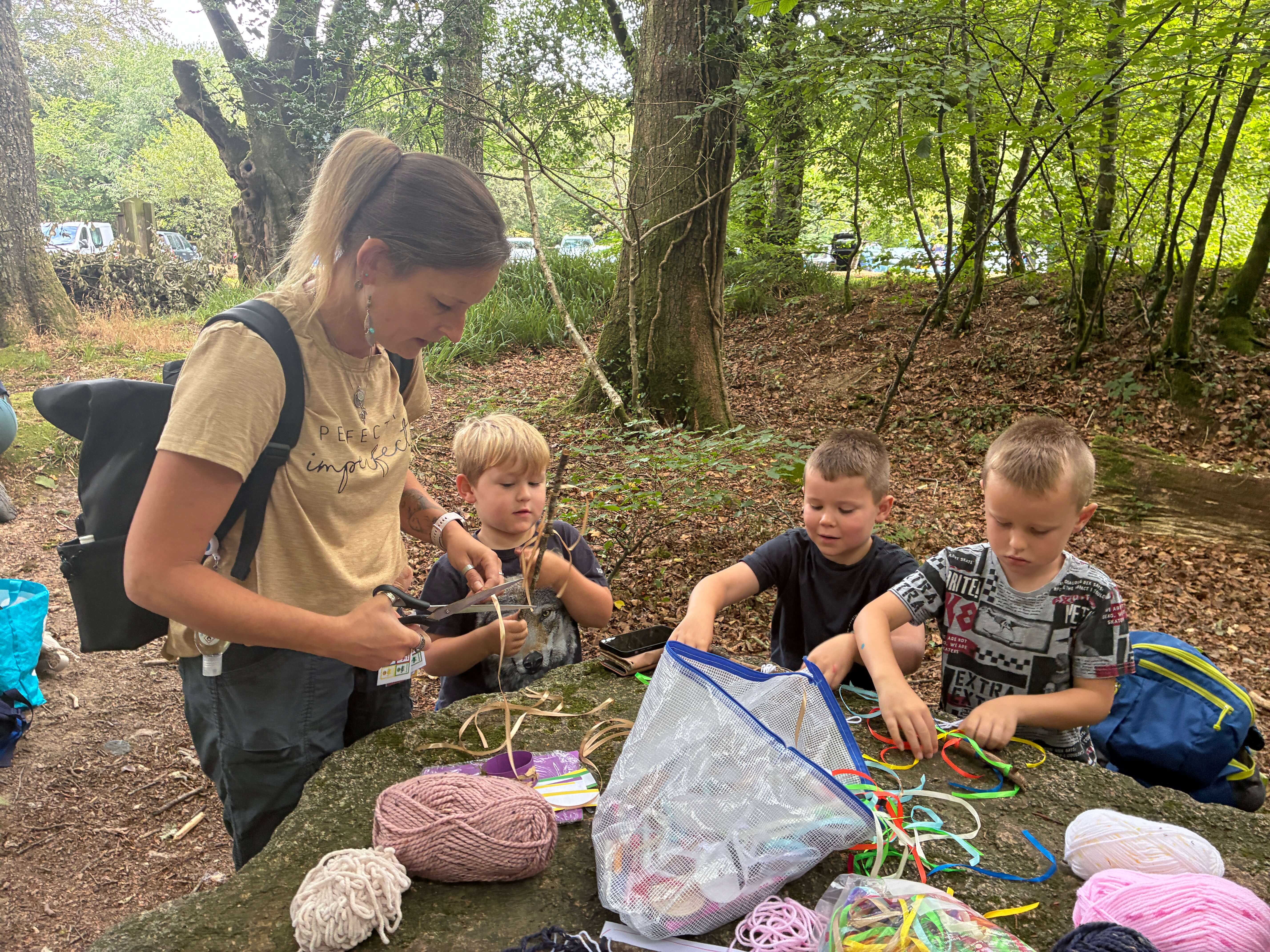
A magnifying glass held up to a beetle. A stick wound round with wool and ribbon until it becomes something to hold onto when a day feels too big. At Golitha Falls this summer, a walk in the woods quietly became something more, as children from across Cornwall were shown how nature itself can help with the feelings that come with growing up.
Your daily dose of Cornwall
News, events and goings on across the Duchy
More than 1,000 families since 2024
The sessions are called Wild Wellbeing, and they are run by Cornwall Partnership NHS Foundation Trust‘s Mental Health Support Team (MHST) as part of a free summer programme designed to support children’s and parents’ emotional health. More than 1,000 families have signed up since the programme began in 2024, and this summer it has reached even more corners of the county, with sessions held at Tehidy Woods, Penrose Estate, Lanhydrock, The Core in St Ives, Kennack Sands, The Grove at Morrab Gardens and Trengwainton Gardens.
At one of the latest sessions, families made their way to Golitha Falls to explore the ancient woodland and take part in activities led by the MHST team, built around a simple idea, that spending time outdoors together can teach children practical ways to manage anxiety and big emotions.
Bug hotels and breathing sticks in the woods
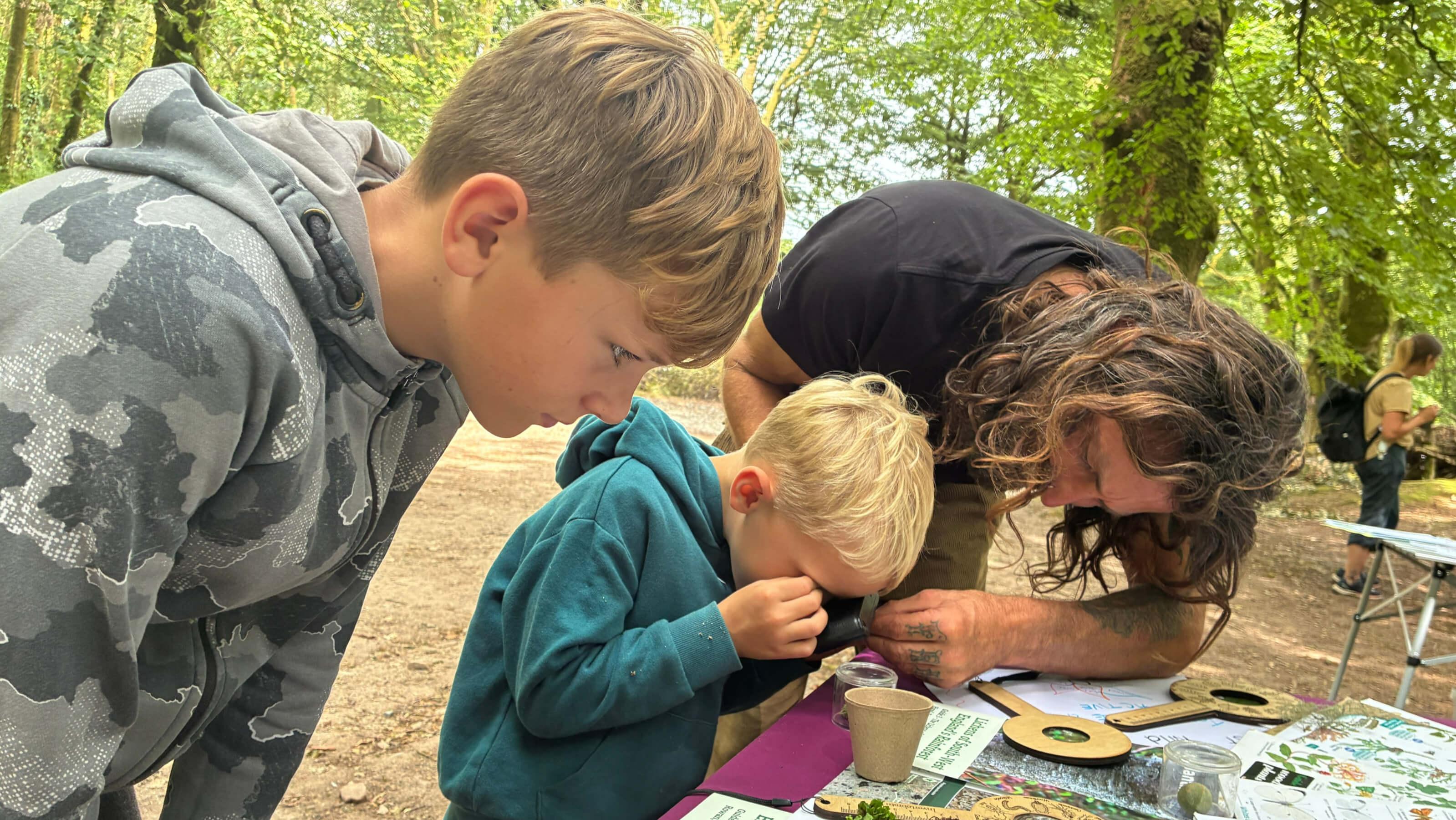
Natural England joined the Golitha Falls session and brought along magnifying glasses and other exploration tools, giving children the chance to get up close to plants, insects and the reserve’s wildlife. Children aged five to 12 attended alongside their parents and carers, working through a mix of wellbeing activities, nature-based learning and simple exploration in one of Cornwall’s more dramatic outdoor settings.
The Wild Wellbeing programme is delivered in partnership with a number of organisations, including the National Trust, Natural England, and gardeners from The Community of Plants and Trees and Gardeners’ House. It also feeds into the Trust’s clinical strategy, one aim of which is for half of all clinical practices to eventually be delivered outdoors or in non-traditional spaces.
What the sessions actually teach
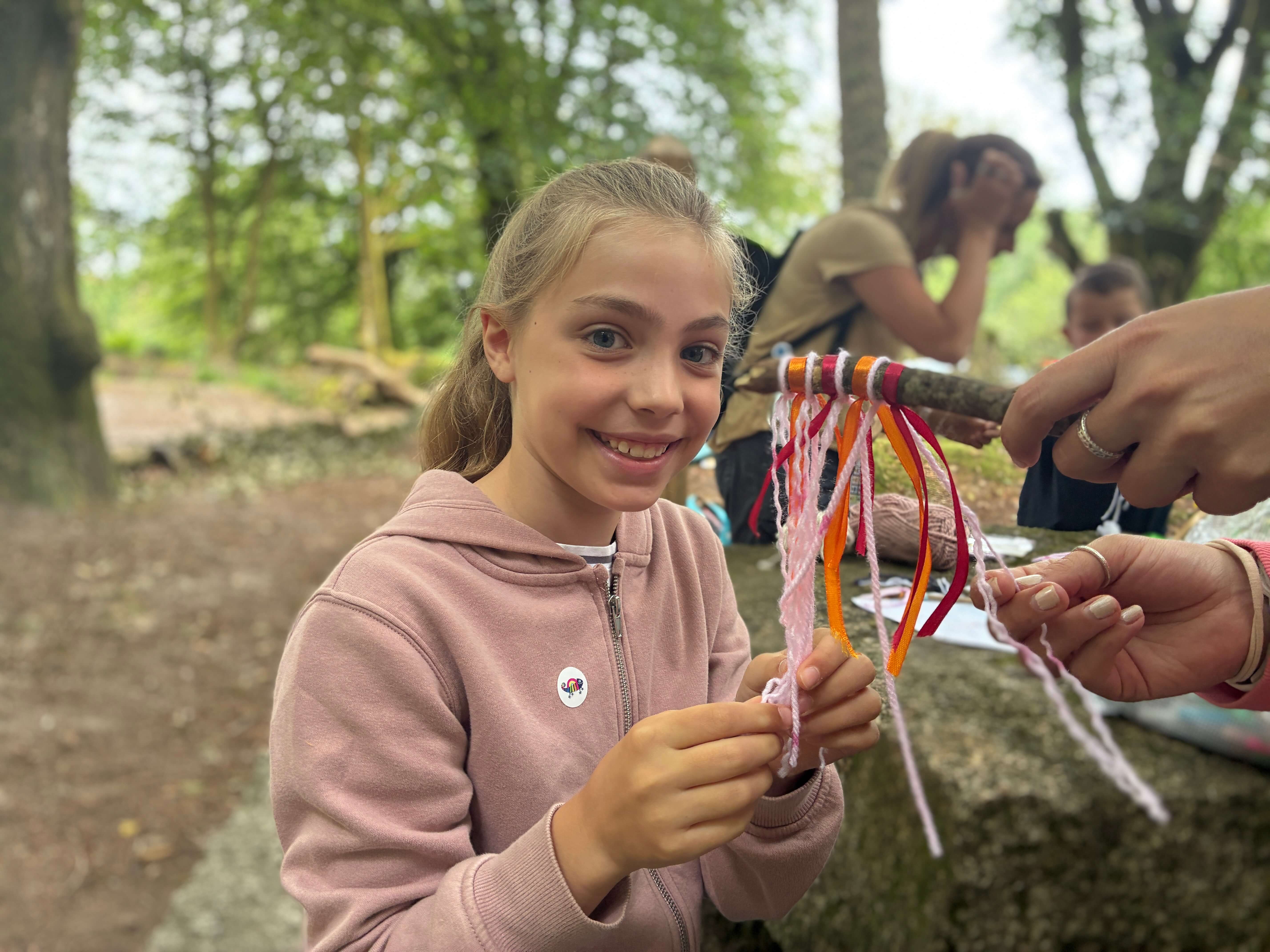
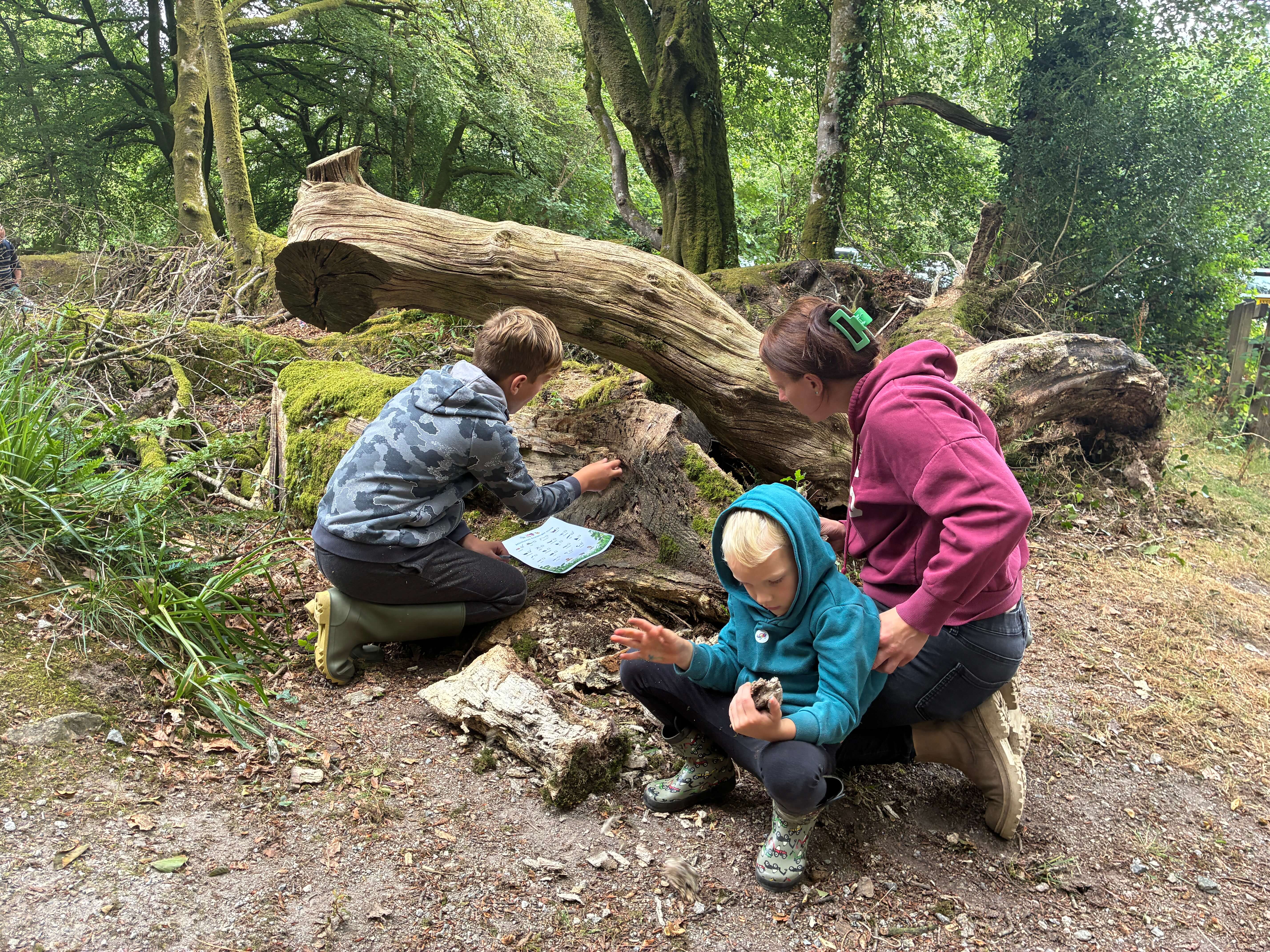
Kate Dennis is manager of the Mental Health Support Team. She said: “Families can come and connect with nature. We have a bug hotel where children can come and collect lots of different stones, sticks, rocks, leaves. We also have some breathing calming sticks, where we take some ribbon or wool. These are ways where we can reintroduce those coping mechanisms, if we’re feeling really heightened with emotion or we need to just regroup ourselves and our feelings and reduce that anxiety. Parents and children will come together, and they’ll just explore different textures, different feelings, explaining how those things are within the nature and within the ground. We are finding that we’re getting more referrals through for children. They want to come and use the facilities here. It’s a really nice environment for them.”
Suzanne Cachia is an education mental health practitioner for the Mental Health Support Team. She said: “We have increased the number of locations this year, so lots of children and young people can get involved. It’s a way to prevent mental health difficulties and learn different skills and techniques. Children can take part in many different free activities as well. Many organisations have been involved in it. We’ve collaborated with the National Trust, Natural England, and Cornwall Wildlife Trust. It really adds to the programme and the workshops that people are engaged in.”
Your daily dose of Cornwall
News, events and goings on across the Duchy
“It is magic”
Chris Waddle is community engagement and visitor experience hire officer for Cornwall and Devon National Nature Reserves. He said: “The Wild Wellbeing programme is something that we’re very passionate about. If we can engage people in nature and make people fall in love with nature, statistics have proven that there’s more chance they will help look after nature themselves. And as a parent myself, there’s no healthier and better way to engage your children in the outdoor world and teach them about nature. It is magic. Seeing the families together and engagement between parent and child is really special.”
“We can do these things by ourselves”
Indy attended the session with mum Louise. Indy said: “It was really good fun. I made a breathing stick and a bug hotel. We have one at our school that we look after sometimes, but we’ve not made one before. I really enjoyed it.”
Louise said: “We love coming to Golitha. We usually come for a picnic and a walk around. We thought it would be nice to come and get some good tips on how to cope with different emotions using nature. The next time we come we can do these things by ourselves.”
There are plans for further sessions during the October half-term. Families can find out more through the Cornwall Mental Health Support Team (MHST) Facebook page, where Louise says she’ll be looking for the next date to bring Indy back.
Read Next
- South West WaterIf the last week of wind and rain had you thinking the drought must be over, the people in charge of Cornwall's water supply have news for you.
Share This Story, Choose Your Platform!
To keep up with the latest cornish news follow us below
Follow CornishStuff on Facebook - Like our Facebook page to get the latest news in your feed and join in the discussions in the comments. Click here to give us a like!
Follow us on Twitter - For the latest breaking news in Cornwall and the latest stories, click here to follow CornishStuff on X.
Follow us on Instagram - We also put the latest news in our Instagram Stories. Click here to follow CornishStuff on Instagram.
- 1
- 2
- 3
- 4
- 5
- 6