Millbrook Lake pollution reports: what investigators actually found
A sanitary pad by an outfall pipe, a video of brown water on social media, and weeks of complaints about the smell. That was the starting point for an Environment Agency investigation into suspected pollution in Millbrook Lake, and the update shared with Millbrook Parish Council this week sets out, point by point, what officers did and did not find.
Your daily dose of Cornwall
News, events and goings on across the Duchy
The outfall under scrutiny
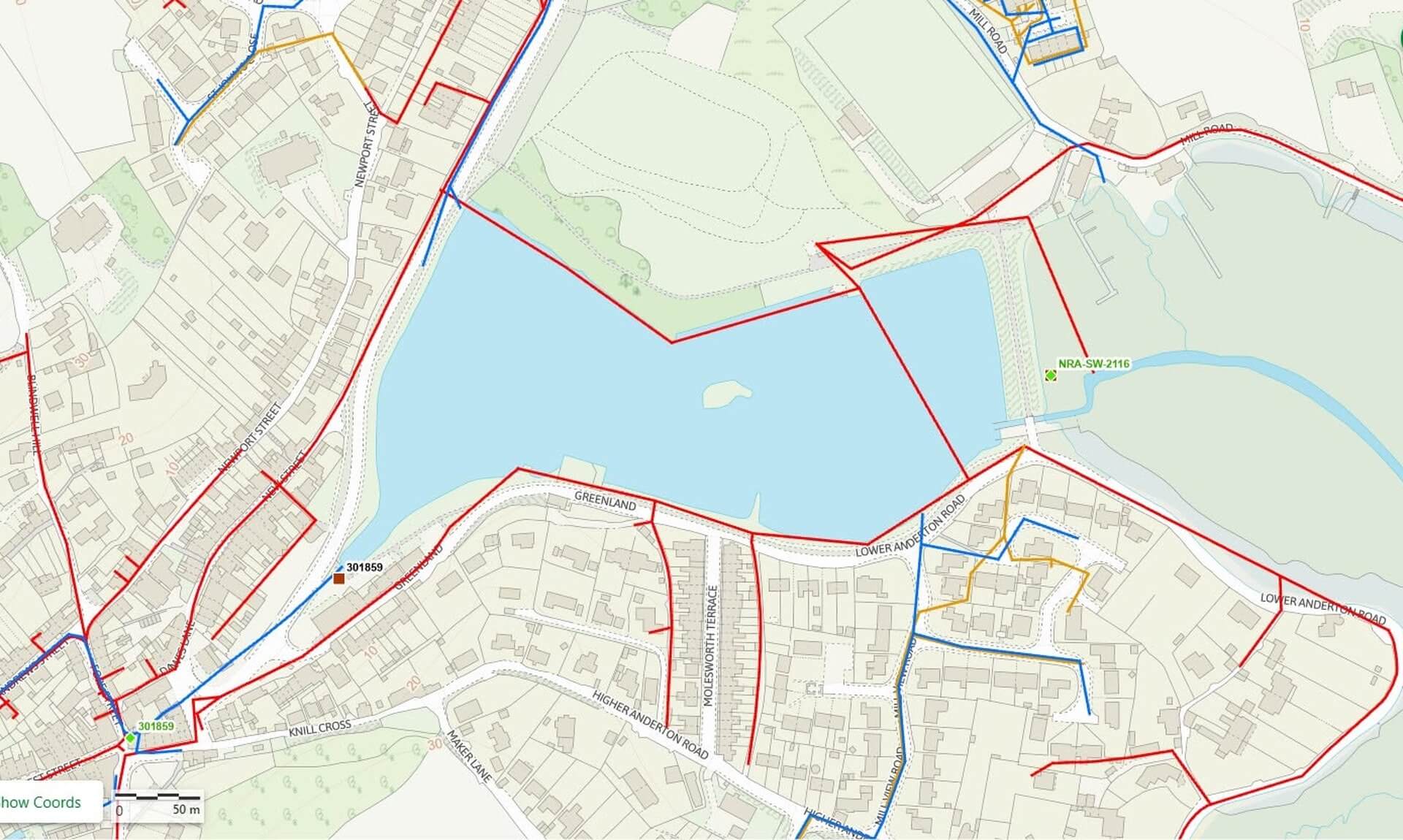
An Environment Agency site visit took place on Wednesday 9 September, prompted by ongoing reports of suspected pollution in the lake. The officer inspected every mapped and visible South West Water surface water outfall in the area, along with the permitted Combined Sewer Overflow serving Millbrook, paying particular attention to reports centred on Lower Anderton Road and a black corrugated plastic pipe outfall.
That black pipe was confirmed as the one identified in residents’ reports. A sanitary pad was found nearby, and the surrounding area had general litter and debris, which the officer put down to its position next to a public footpath.
But a chronic sewage misconnection would normally leave more behind than that. The officer said they would expect to see sewage fungus, sewage-related debris, persistent discolouration and raised ammonia readings if that were the cause, and none of those signs were present. Water quality tests carried out at several points around the lake that morning all came back negative for ammonia, the result typically expected where an active sewage source is present.
What South West Water’s own checks showed
South West Water had already carried out its own checks of every permitted asset in the locality on 17 August 2026, ahead of the Agency’s visit. According to the update, that work found the permitted CSO had not been active and did not align with the location of the reported issues, and telemetry records showed no recorded spills from wastewater assets during the period of concern.
Assets near the reported site were said to be operating as intended, with no faults identified. An SWW operator who attended in person reported no evidence of sewage pollution, including no sewage fungus or sewage-related discolouration, and a follow-up visit in daylight hours confirmed the same picture, with dried and dead algae visible in the area.
So what caused the discolouration?
The Environment Agency officer was shown the video circulating on social media, which appears to show light-brown discoloured water entering the lake from the black outfall. Their assessment is that this could be linked to sediment-laden surface water runoff, potentially tied to soil disturbance from nearby property works combined with recent periods of rainfall. Sewage discharges, by contrast, would typically appear grey or brown-grey and often carry visible solids or debris, which was not what was observed.
Significant algal die-off and bleaching around the lake margins was also noted as a likely contributor to the smell and appearance residents have been reporting.
Your daily dose of Cornwall
News, events and goings on across the Duchy
Why residents are asked to keep reporting
The officer was careful not to rule a pollution event out entirely. Based on the evidence gathered, they said they had been unable to identify a direct source of sewage pollution entering the lake, but stopped short of stating with absolute certainty that no pollution event had occurred.
Residents are still being encouraged to report any future incidents or observations. The update stressed that community vigilance remains important, that ongoing reports help build a clearer picture of any emerging issues, and that any new evidence will be reviewed and investigated as appropriate.
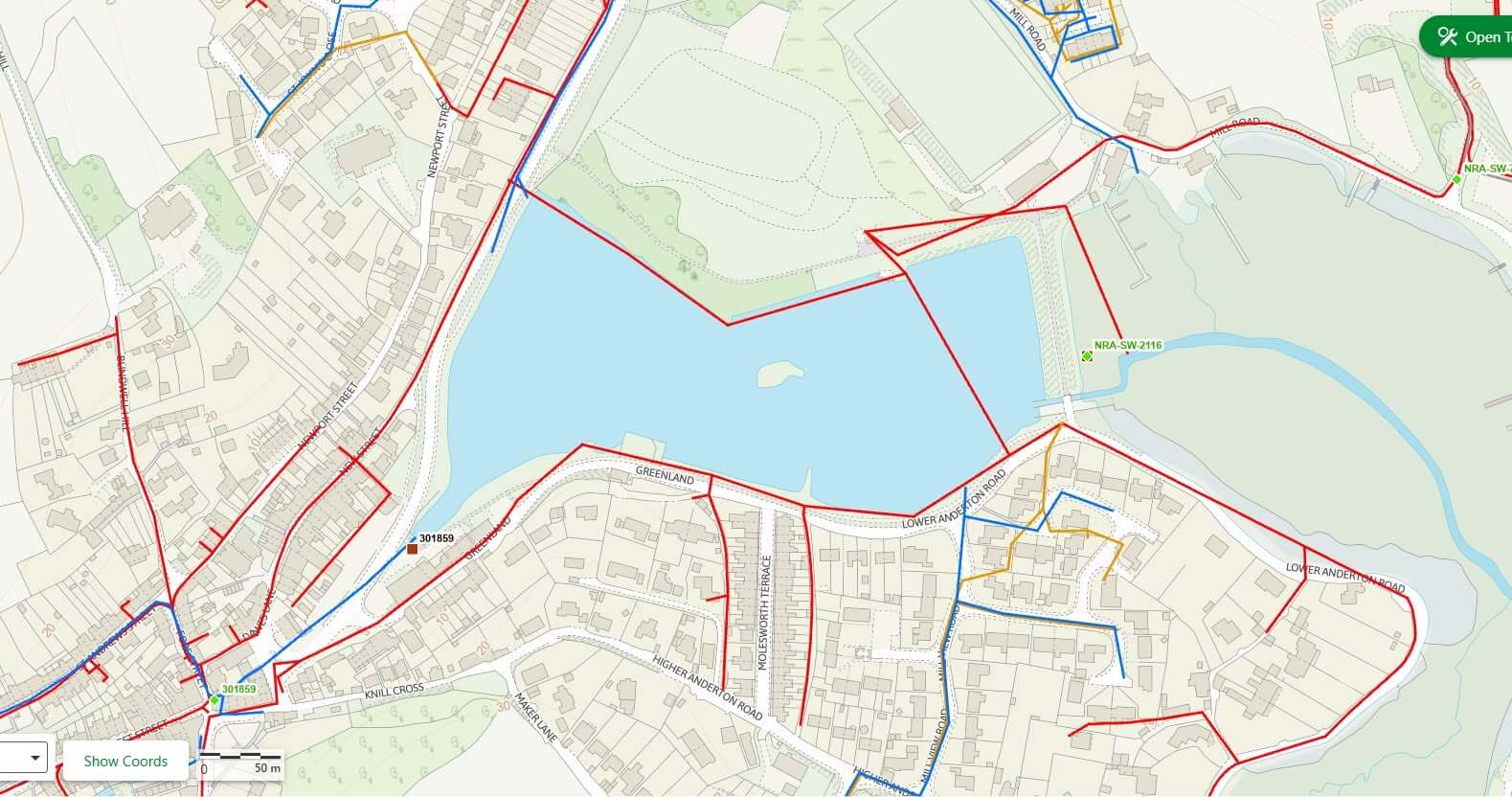
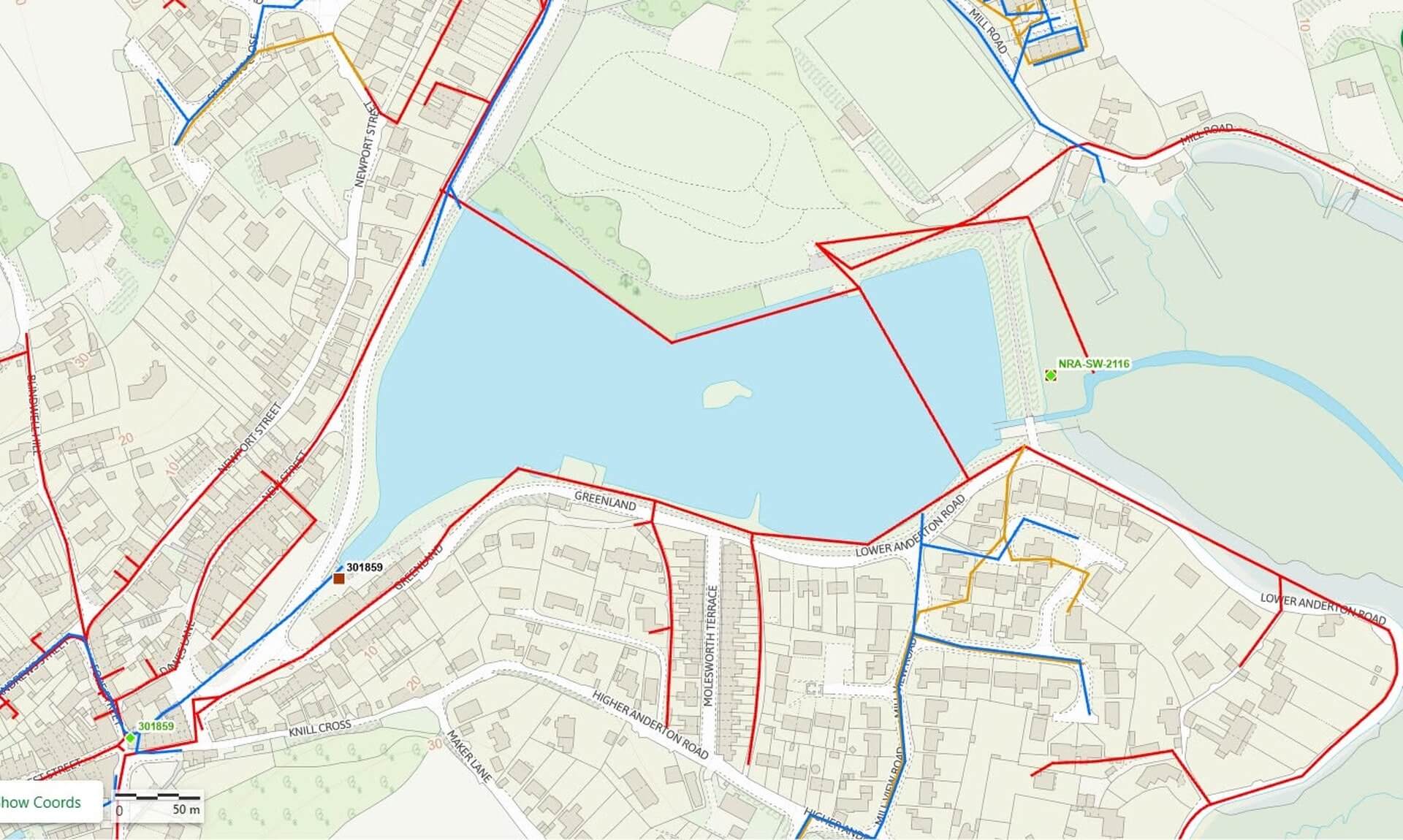
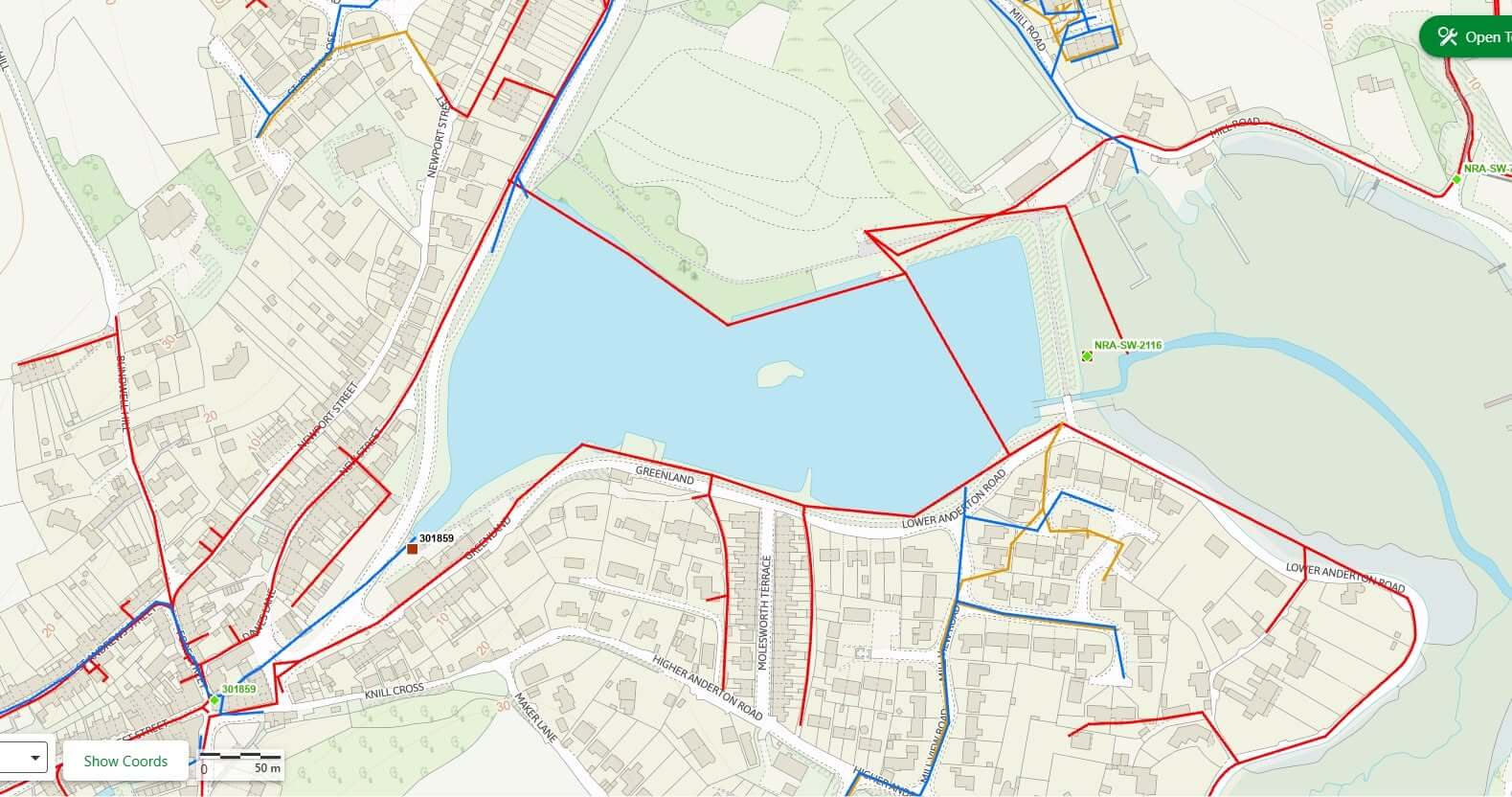
A map of the drainage network was attached to the update, showing surface water sewers in blue, foul sewers in red, combined sewers in orange, and the four mapped surface water outfalls marked in blue.
Millbrook Parish Council has thanked residents for taking the time to report the suspected pollution.
Read Next
- HalloweenLong before pumpkins and plastic skeletons, Cornwall had its own way of marking the darker turn of the year.
Share This Story, Choose Your Platform!
To keep up with the latest cornish news follow us below
Follow CornishStuff on Facebook - Like our Facebook page to get the latest news in your feed and join in the discussions in the comments. Click here to give us a like!
Follow us on Twitter - For the latest breaking news in Cornwall and the latest stories, click here to follow CornishStuff on X.
Follow us on Instagram - We also put the latest news in our Instagram Stories. Click here to follow CornishStuff on Instagram.
- 1
- 2
- 3
- 4
- 5
- 6