Lar Cann’s St Ives show digs into what lies beneath Cornish feet
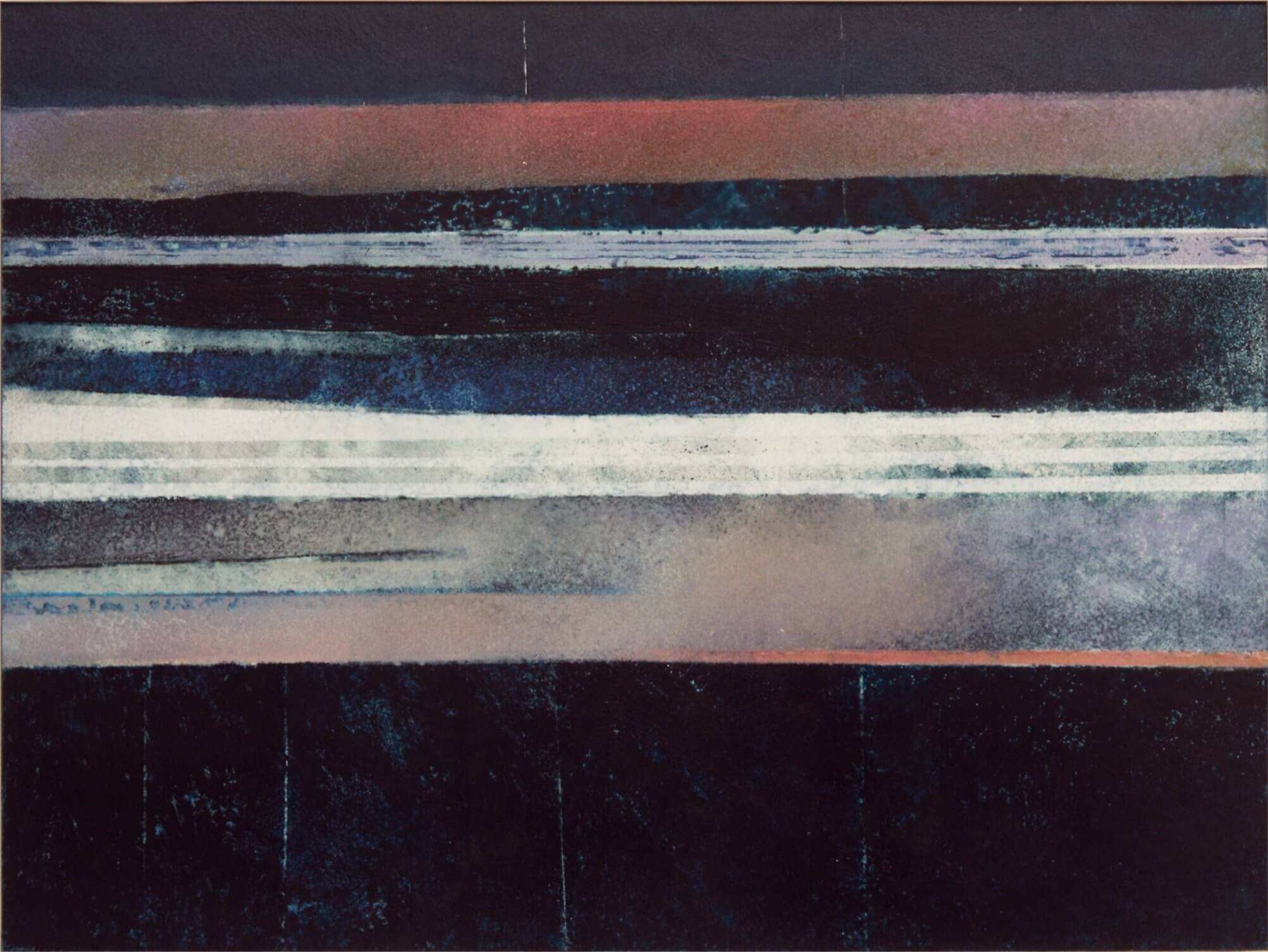
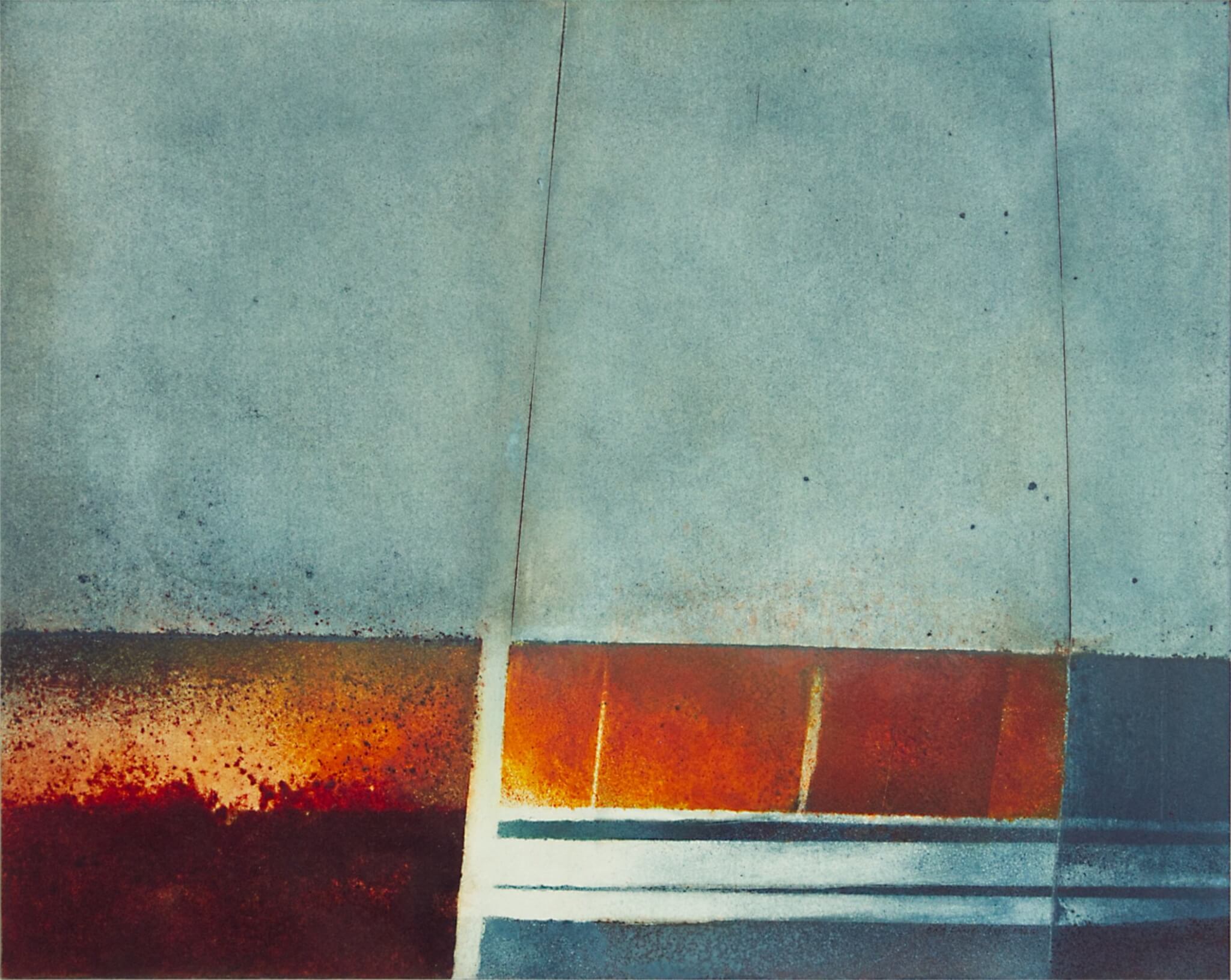
Some painters go looking for a subject. Lar Cann was handed one, in the form of a lifetime’s worth of minerals gathered by a Cornish doctor.
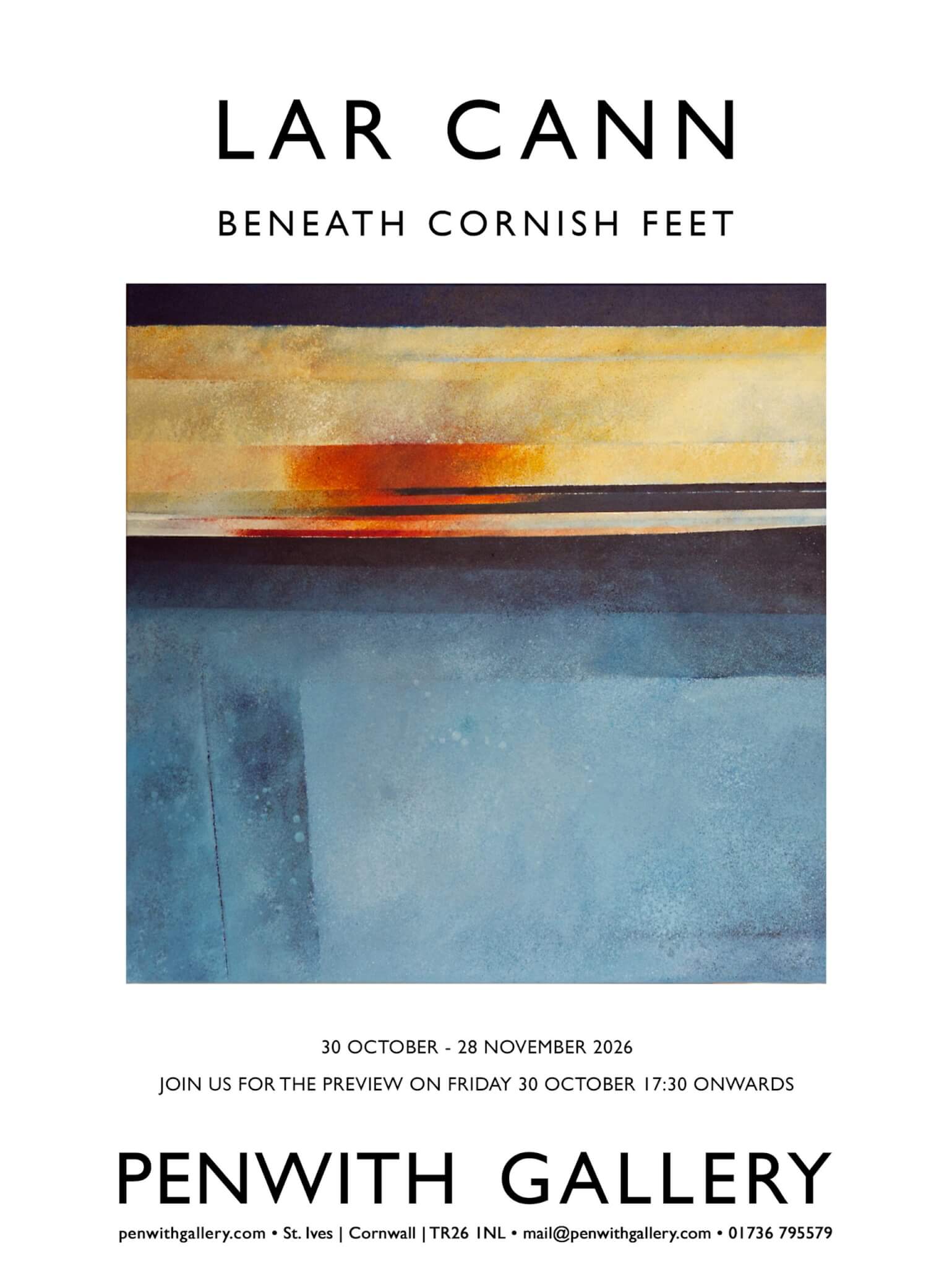
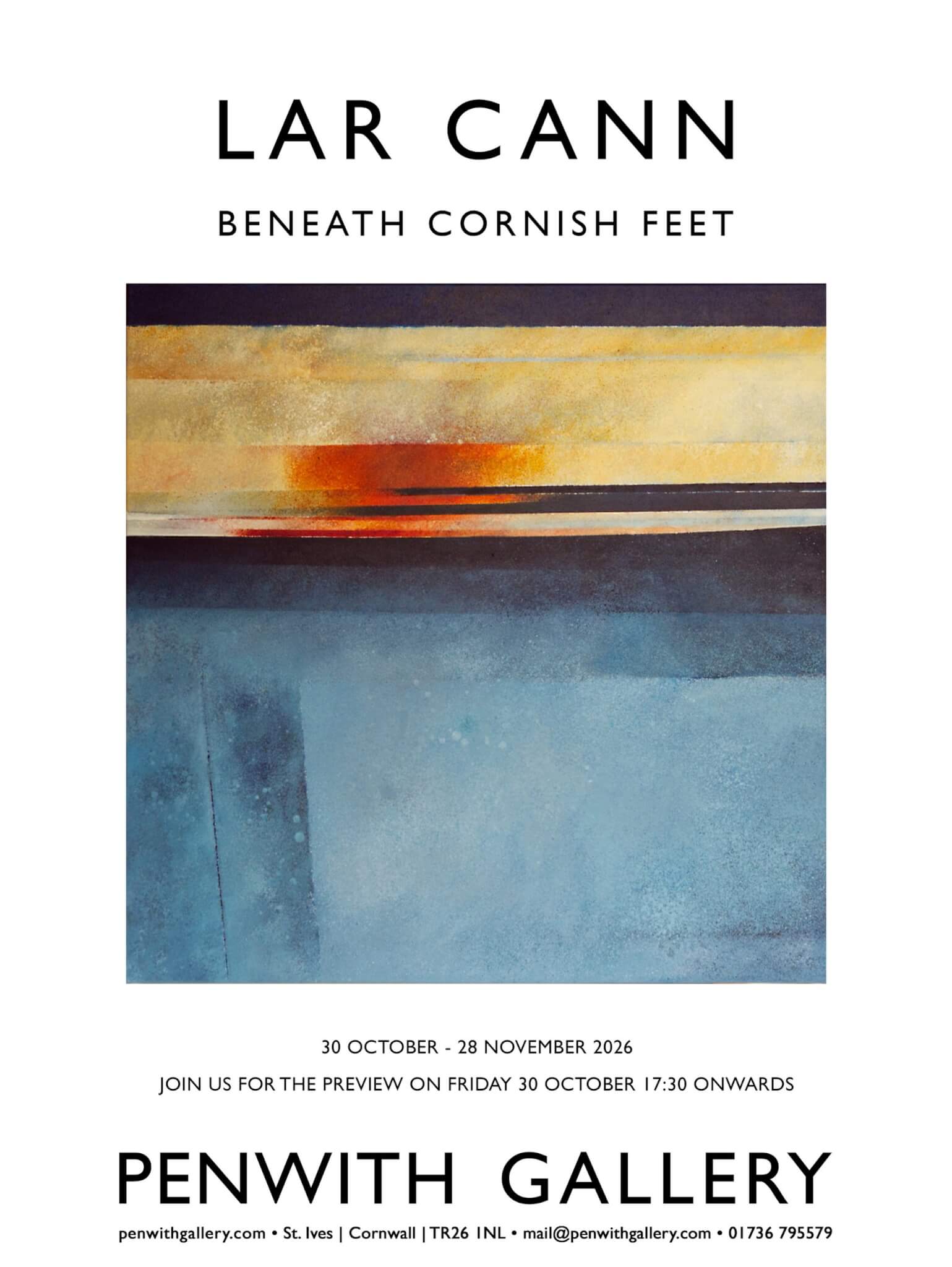
The result is Beneath Cornish Feet, a show of paintings opening at the Penwith Gallery in St Ives on Friday 30 October and running until 28 November 2026.
Your daily dose of Cornwall
News, events and goings on across the Duchy
The doctor behind the title
The title suggests Cornwall’s mining and quarrying heritage, and the artist’s statement for the show says that reading “would carry weight”. But the feet in question belong to one person.
They are those of Dr Jörn Cann, described in the statement as Cornish born and a consultant haematologist, who “maintained a passion for collecting minerals that began well before embarking on any medical training”. That passion took him to many places around the globe, though much of the collecting was done in Cornwall.
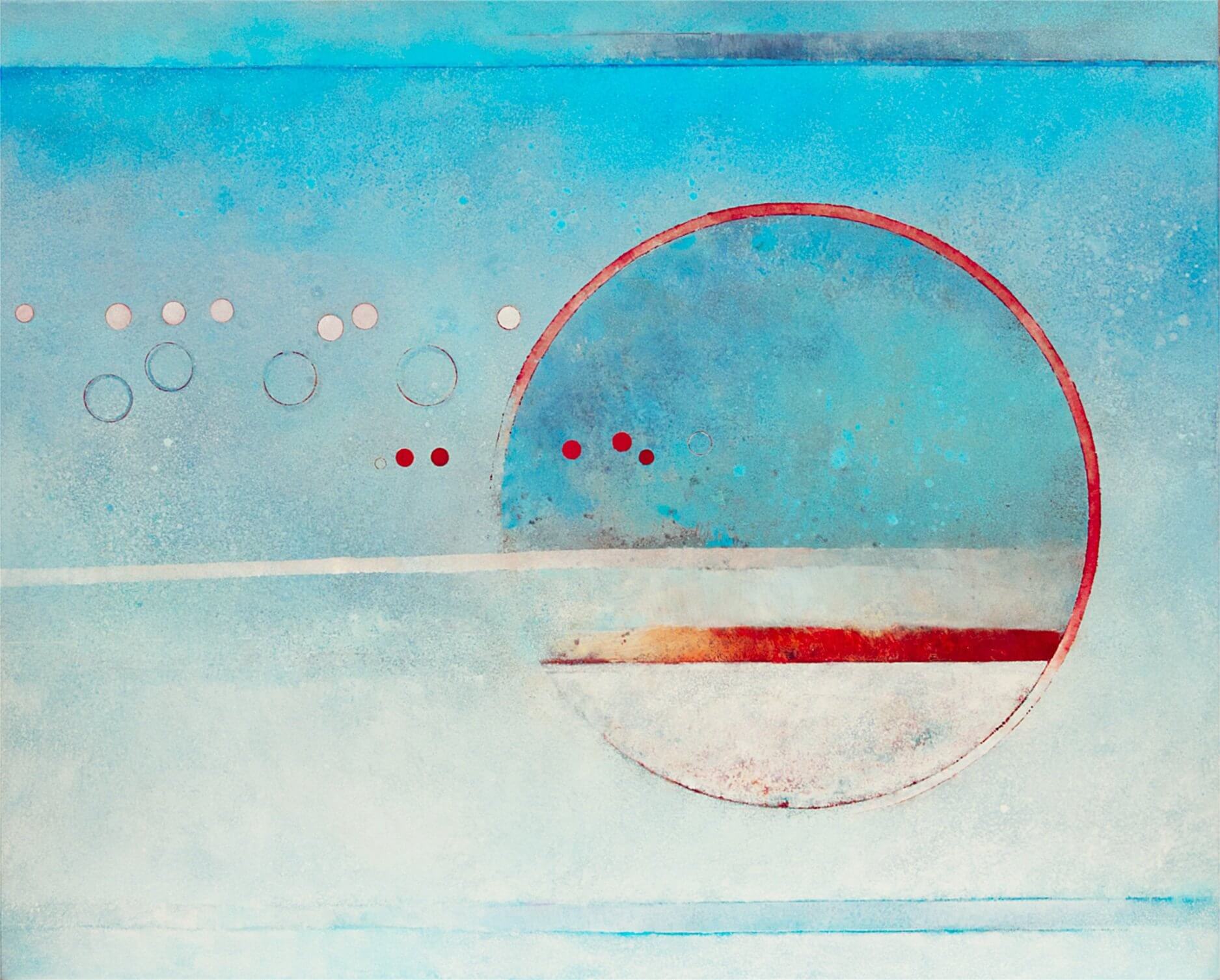
“Inheritance of that collection, in both spirit and substance, is the fundamental basis for these paintings, that and a cross-referencing with quarrying,” the statement says. “The influence is one of mineral based colour and rock-face geometry.”
Quarry faces on the edge of Bodmin Moor
The other half of the story sits on the fringes of Bodmin Moor, in particular to the north-west and the south-east, areas long associated with mineral-ore mining and hard-rock quarrying. The statement calls it “an ancient landscape, carrying the scars of industry”.
Granite from the moor has been used as a local building material for well over 5,000 years, according to the statement, with the second half of the 19th century seeing the greatest push for dimensional stone.
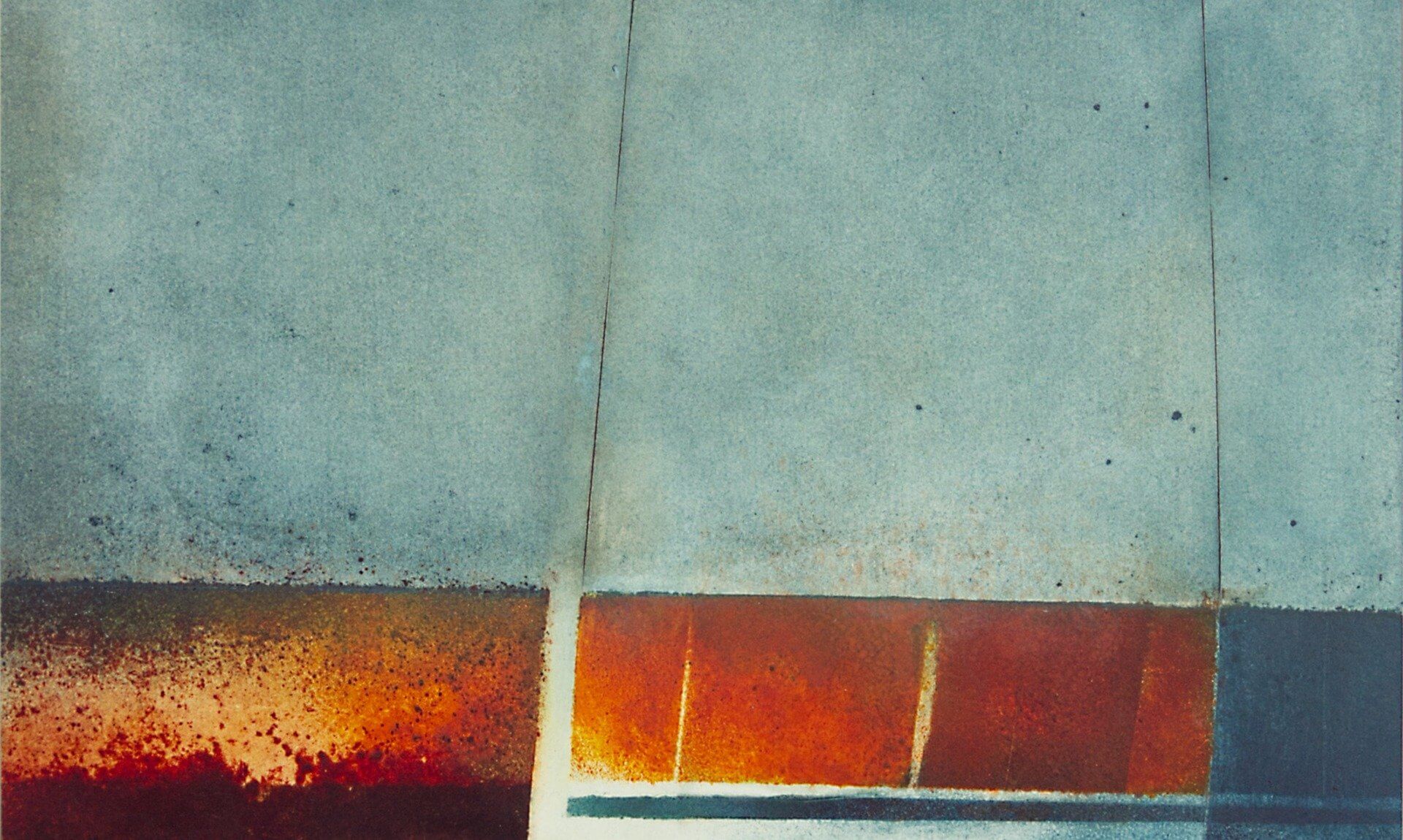
Most of those quarries have now fallen into disuse and many are filled with water. The massive blocks cut from the face left sheer walls crossed by fault lines, which the statement says “form a powerful geometric imagery with an endless variety of surface texture”. Those shapes are often reflected in the water, and are constantly altered by the wind and the changing light.
Why the circles keep appearing
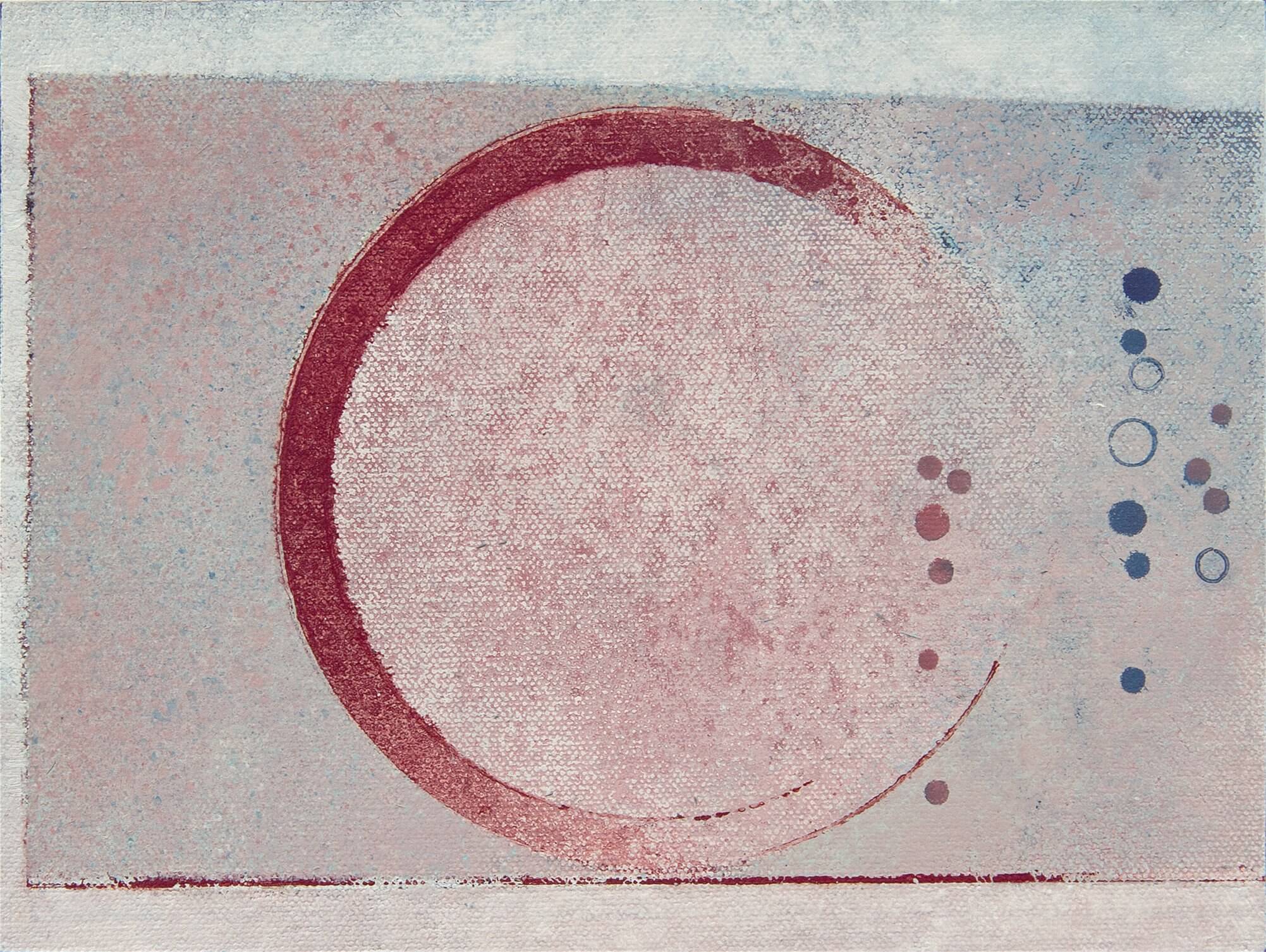
Several of the paintings carry circles, some large, some in small clusters. They are a response to the drill marks left by the plug-and-feather method of quarrying, and to the deeper thermal lance holes that can be seen in some quarry faces.
The statement finds “a subjective parallel” in the circular forms of wavellite, a mineral often found in the iron-stained sedimentary slate known locally as killas.
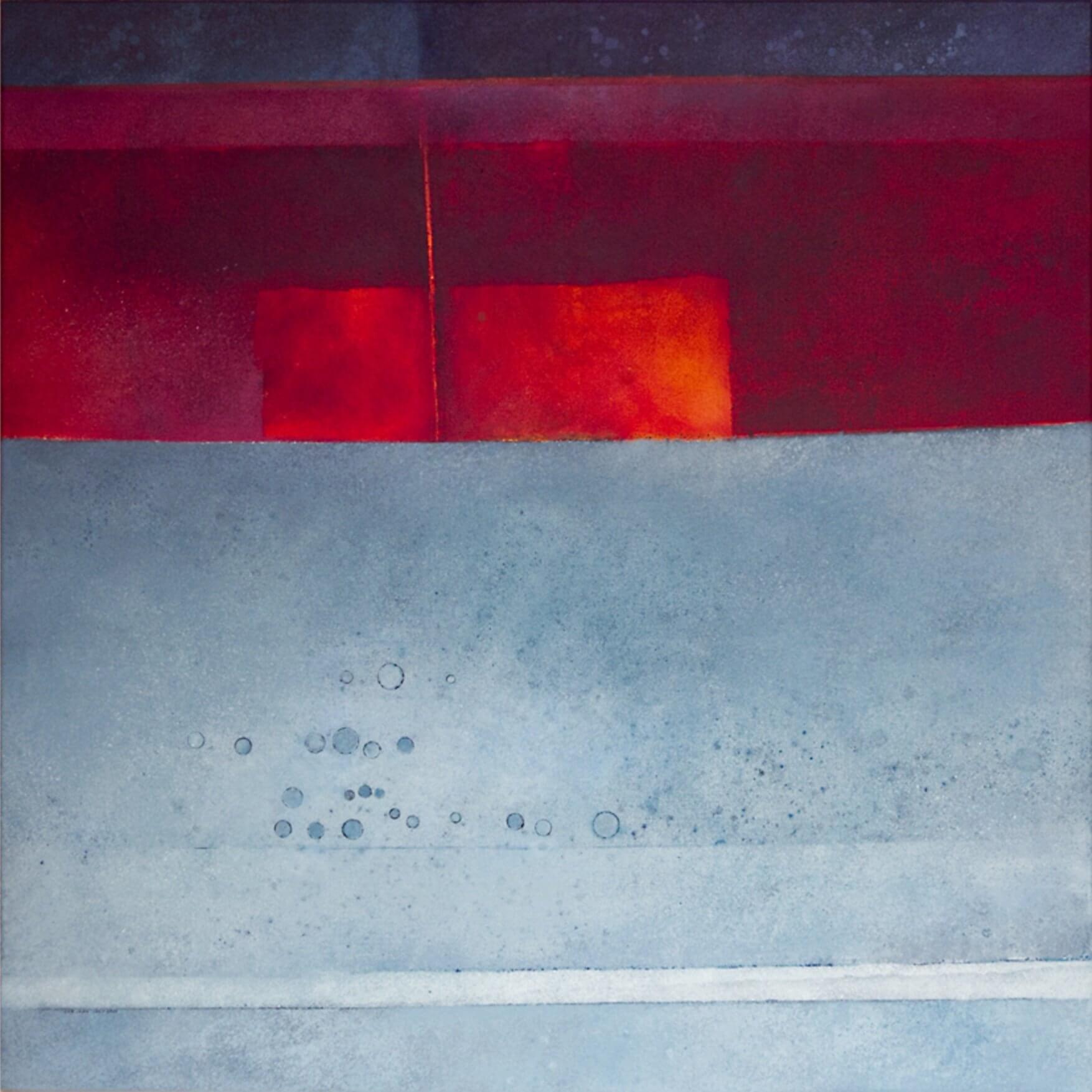
The horizontal joints of the tors, which follow the contours of the land “in a manner similar to the layers of an onion”, are carried onto the flat surface of the paintings too, deliberately without any reference to scale.
Your daily dose of Cornwall
News, events and goings on across the Duchy
Colour taken from the rock
The colour comes from a different line of thinking. Multi-layered glazes are intended to replicate the matrix of feldspar, quartz and mica, which is very often stained by other minerals in the softer stone.
These are heightened by the colours of several secondary copper-related minerals. The statement lists azurite, malachite, chrysocolla, turquoise, atacamite and olivenite as the most frequent, with two notable exceptions in the manganese-related rhodonite and in erythrite, often referred to as cobalt bloom.
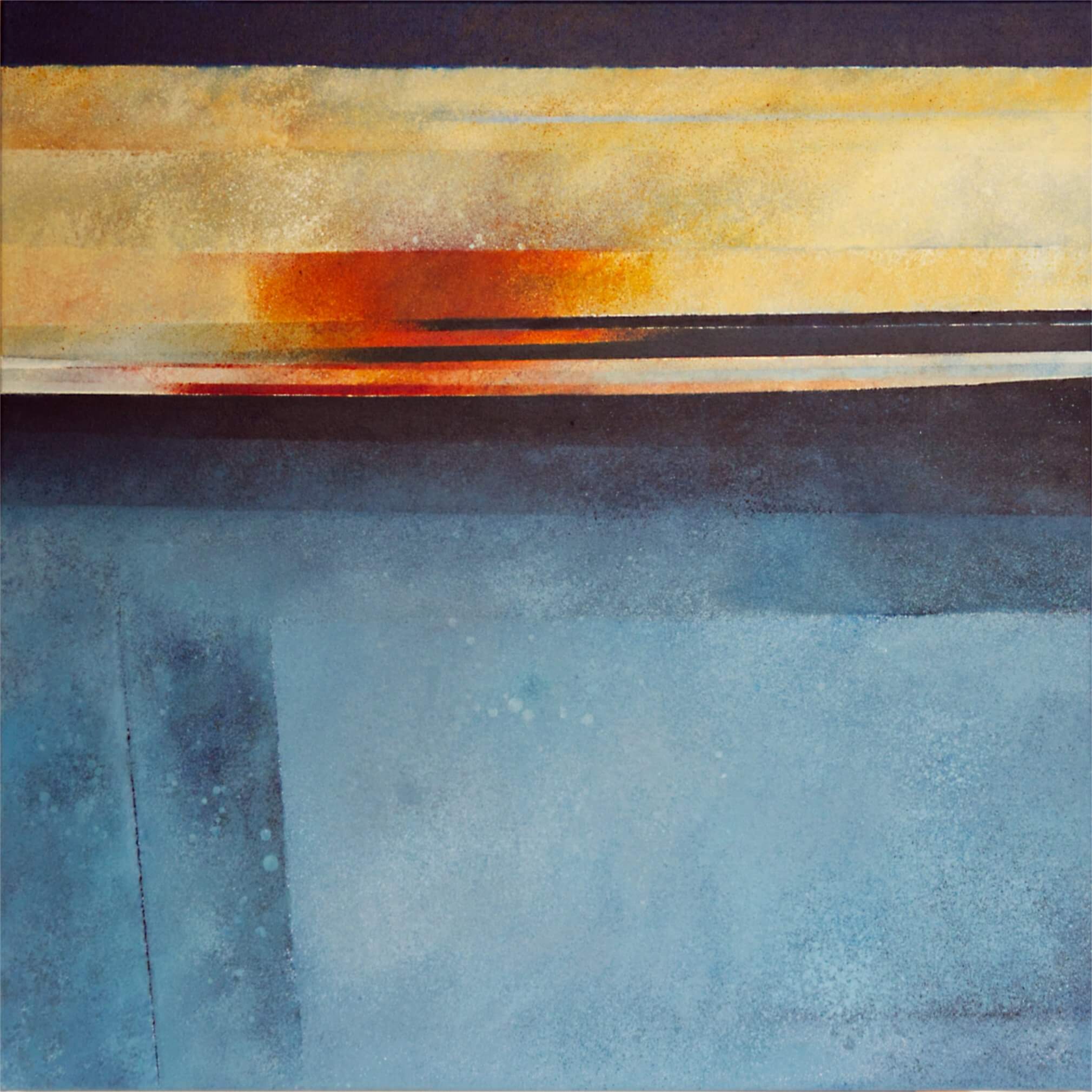
And then there is one more line in the statement. “Or colour is used simply for its own sake.”
When and where to see Beneath Cornish Feet
Beneath Cornish Feet runs at the Penwith Gallery, St Ives, TR26 1NL, from 30 October to 28 November 2026. A preview is being held on Friday 30 October from 5.30pm.
The gallery, a former pilchard packing factory, is home to the Penwith Society of Arts, founded in 1949 by Barbara Hepworth, Ben Nicholson, Peter Lanyon, Bernard Leach, Sven Berlin and Wilhelmina Barns-Graham, among others. The society moved to its present location in 1961. The complex now includes three public galleries, artists’ studios, a print workshop, a sculpture courtyard, a shop and an archive.
The gallery can be contacted at [email protected] or on 01736 795579.
Read Next
- Crime & Police NewsEleven charges, three separate incidents and a five month window.
Share This Story, Choose Your Platform!
To keep up with the latest cornish news follow us below
Follow CornishStuff on Facebook - Like our Facebook page to get the latest news in your feed and join in the discussions in the comments. Click here to give us a like!
Follow us on Twitter - For the latest breaking news in Cornwall and the latest stories, click here to follow CornishStuff on X.
Follow us on Instagram - We also put the latest news in our Instagram Stories. Click here to follow CornishStuff on Instagram.
- 1
- 2
- 3
- 4
- 5
- 6