Why rural Cornwall could miss out as powers leave Westminster
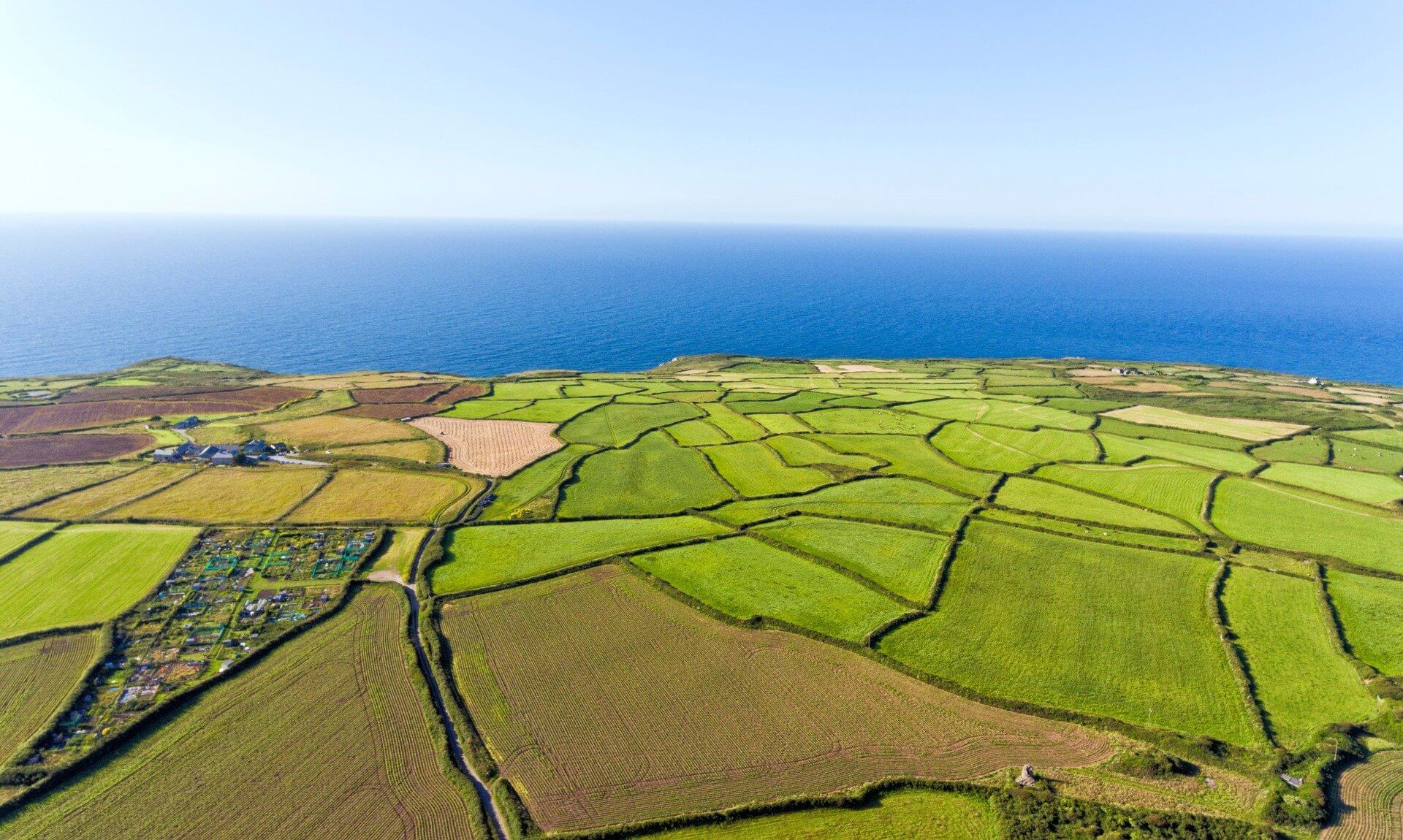
Live out past the edge of town and you already know the sums are different. The bus is further away, the nearest office is a drive, and every service has more miles to cover to reach you. A new parliamentary report says that gap is not being properly counted as power and money are handed down from Westminster, and that rural places risk being left behind.
Your daily dose of Cornwall
News, events and goings on across the Duchy
What the report says
Devolution and Its Impact on Rural Areas has been published by the All-Party Parliamentary Group (APPG) for Rural Business and the Rural Powerhouse. It follows an inquiry supported by the Country Land and Business Association (CLA) and chaired by John Milne, MP for Horsham.
The report sets out 21 recommendations aimed at making sure rural businesses and communities are properly represented as powers and investment are passed to local and regional bodies under the Government’s devolution plans.
Its central warning is about money and productivity. The report finds productivity in majority-rural authorities is around 8% below the England average, and estimates that closing that gap could add £22.5 billion to the economy. But it argues rural areas will struggle to get there without the resources, representation and powers to make the most of devolution.
The funding gap in numbers
The report draws on analysis by the Rural Services Network (RSN) of the 2026-27 local government finance settlement. That analysis found urban councils are set to receive around 32% more government-funded spending power per head than rural councils.
Looking further ahead, rural councils are projected under the current Fair Funding model to see their spending power rise by just 2% by 2029-30. For urban councils, the projected rise is 20%.
The APPG says the higher cost of delivering services across spread-out communities, combined with limited capacity in local government, risks putting rural areas at a disadvantage as new strategic authorities take shape.
The 21 recommendations
The headline call is to make rural proofing a legal requirement, backed by mandatory rural impact assessments and a dedicated Rural Commissioner.
The report also asks for:
- Rural Business Boards within combined authorities
- Stronger representation at district level
- Reforms to funding formulas, including bringing back remoteness adjustments to reflect what it really costs to deliver rural services
- A comprehensive rural housing strategy, stronger planning capacity and long-term funding for delivery partners
- An integrated framework to coordinate infrastructure and essential services
- Support for Community Land Trusts
- Nature recovery to be treated as critical national infrastructure, with Local Nature Recovery Strategies better coordinated across administrative boundaries
- Stronger powers for mayors to bring utilities and national agencies together, with a consistent set of core powers across England but flexibility kept for rural and coastal areas
Your daily dose of Cornwall
News, events and goings on across the Duchy
What the people behind it say
John Milne said: “Devolution could be a huge opportunity for rural communities, but only if it is designed with them in mind from the start. Rural areas cannot be expected to compete on a level playing field when their councils face greater costs in delivering services, and risk being overlooked as powers are devolved.
“It’s clear we need fairer funding, stronger local government capacity and a statutory commitment to rural proofing, so that rural areas have the support and representation they need to share in the benefits of devolution and unlock their full economic potential.”
Gavin Lane, President of the CLA, said rural businesses “are tired of being overlooked and must not be expected to fit into a model designed around the needs of cities.”
He added: “Mayors and local authorities will have real powers to shape the future of their economies, but they must avoid repeating the mistakes made by national government for years. They need to work directly with rural businesses on transport, planning, housing, skills, land use and growth, ensuring these new powers deliver for the whole economy, not just our towns and cities.”
Read Next
- HalloweenSomewhere in Falmouth town centre, six spooky characters are lurking in shop windows, waiting for small detectives to track them down.
Share This Story, Choose Your Platform!
To keep up with the latest cornish news follow us below
Follow CornishStuff on Facebook - Like our Facebook page to get the latest news in your feed and join in the discussions in the comments. Click here to give us a like!
Follow us on Twitter - For the latest breaking news in Cornwall and the latest stories, click here to follow CornishStuff on X.
Follow us on Instagram - We also put the latest news in our Instagram Stories. Click here to follow CornishStuff on Instagram.
- 1
- 2
- 3
- 4
- 5
- 6