Food Waste Action Week: Experts Share Advice on Storing Leftovers Safely
Could Your Leftovers Be Dangerous? Experts Share Simple Fix
As Food Waste Action Week runs from 9th to 15th March, online learning provider High Speed Training is sharing advice aimed at helping households reduce waste, cut costs, and store food safely.
The guidance focuses on a simple but often overlooked issue. While saving leftovers can help reduce food waste, storing them incorrectly can allow harmful bacteria such as Listeria, Salmonella, and E. coli to grow.
According to the organisation, learning a few straightforward food storage habits can help households make their food shop last longer while protecting their health.
Your daily dose of Cornwall
News, events and goings on across the Duchy
Why Proper Storage Matters
Dr. Richard Anderson, Learning Experience Director at High Speed Training, explained why proper storage is important.
“Proper food storage is a critical line of defence against food poisoning. Many people might not realise that even if food looks and smells fine, it could still be unsafe if it has spent too long in the ‘temperature danger zone.’ By following a few simple steps, we can save money, protect our health, and help the planet.”
Top Tips for Storing Leftovers Safely
High Speed Training has shared several practical tips designed to keep food safe while reducing unnecessary waste.
Follow the Two Hour Rule
Hot food should always be cooled before placing it in the fridge or freezer. Ideally this should happen within two hours of cooking. Doing this helps prevent the fridge temperature from rising and affecting other stored food.
Avoid Storing Food in Open Tins
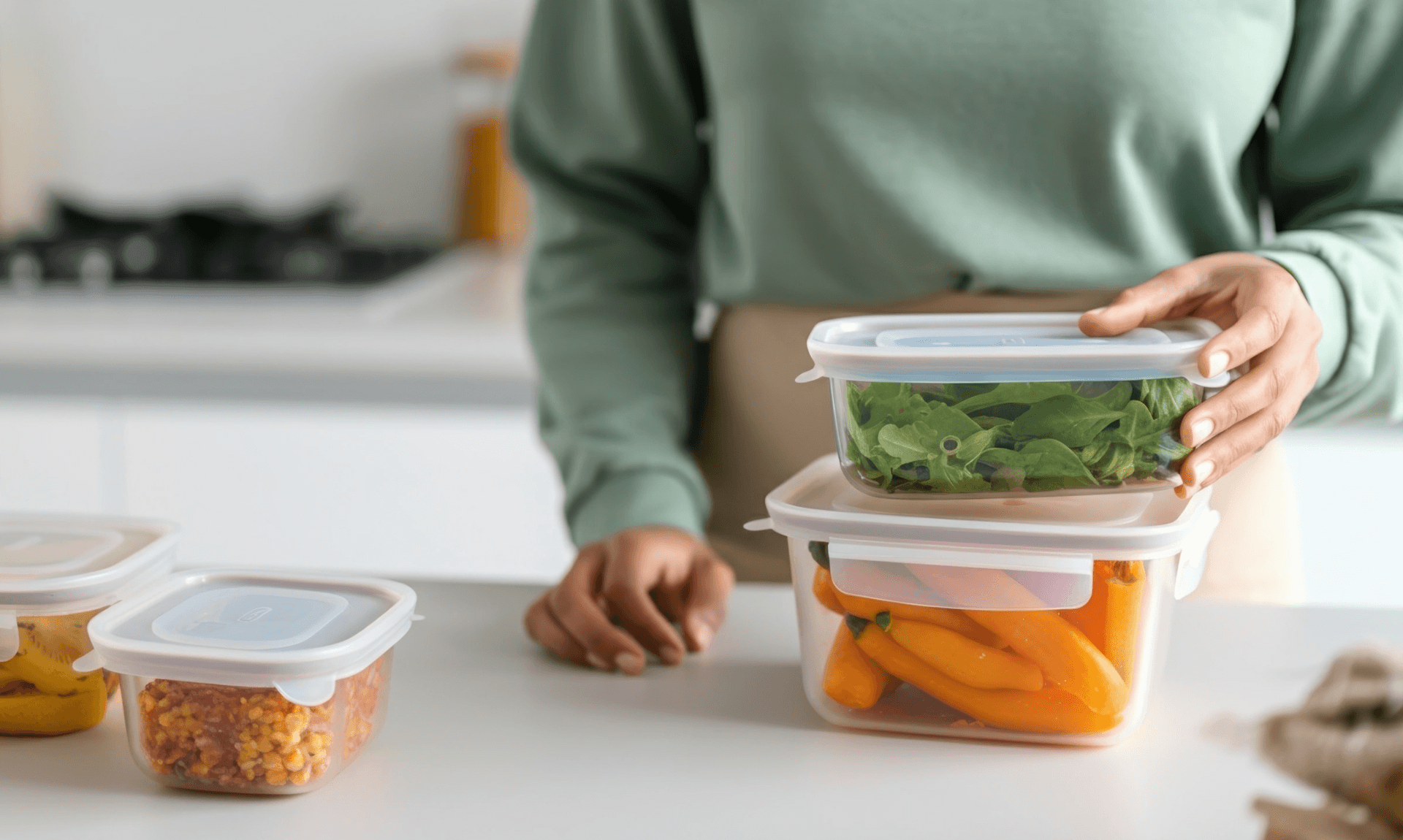
Open canned food should not be kept in the fridge in the original tin. Metal from the can can transfer to the food and affect the taste. Instead, transfer the contents into a sealed airtight container.
Understand Food Date Labels
Food labels can help people decide whether something is still safe to eat.
Use By dates relate to safety and food should not be eaten after this date.
Best Before dates relate to quality. Food may still be safe to eat after this point, though the taste or texture may change.
Label Your Leftovers
Adding a date label to leftovers can help people keep track of when food was cooked. Refrigerated leftovers should usually be eaten within three days. Frozen leftovers are generally best used within three months.
Store Food in the Right Part of the Fridge
The fridge door is typically the warmest part of the appliance. High Speed Training recommends storing leftovers on the main shelves where the temperature stays more consistent, while keeping condiments and juices in the door.
Preventing Cross Contamination
High Speed Training also stresses the importance of keeping food covered in the fridge.
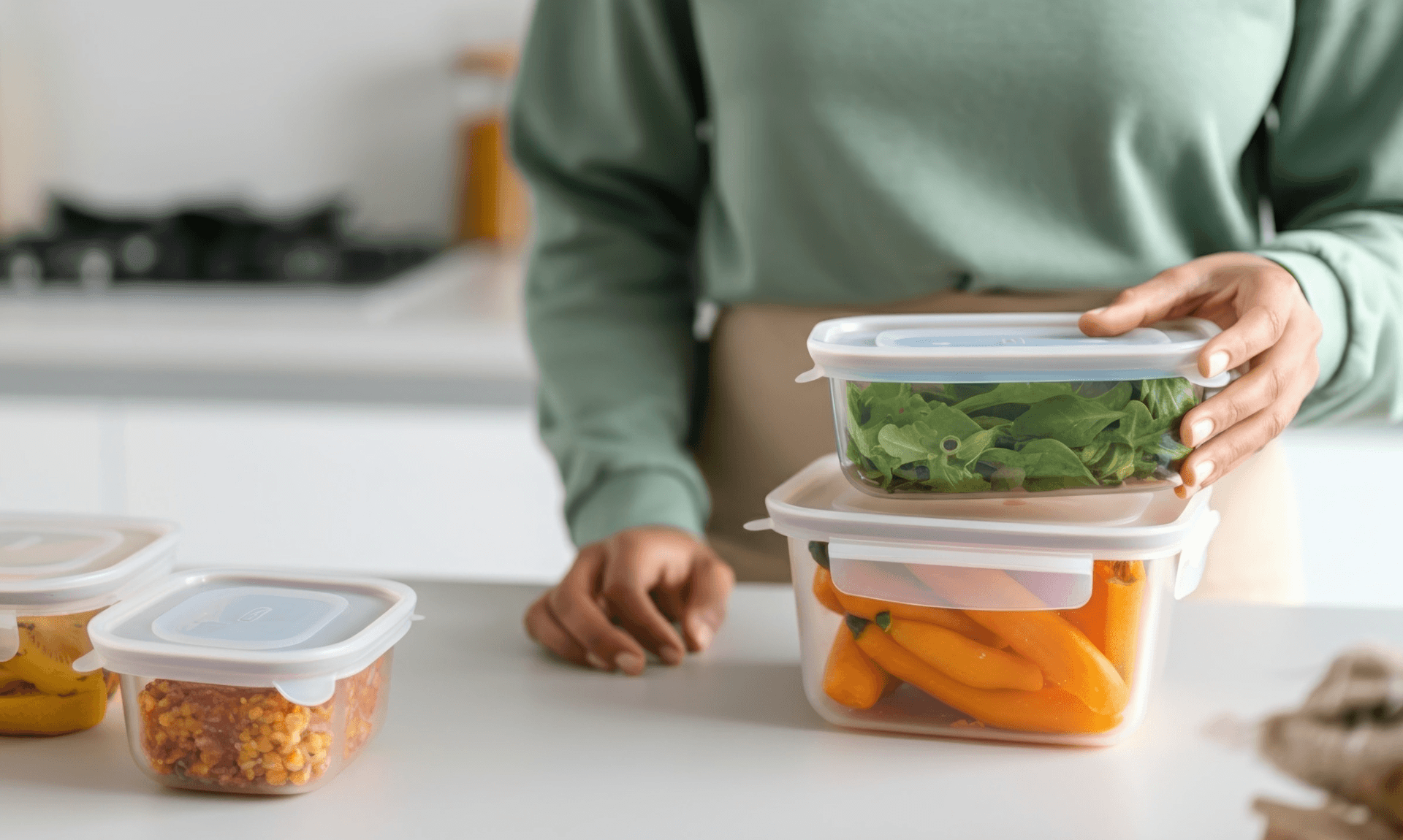
Leaving plates uncovered allows bacteria to spread and increases the risk of cross contamination, which can be particularly dangerous for people with food allergies. Using sealed containers or tightly wrapped foil can help prevent allergens transferring between foods.
Your daily dose of Cornwall
News, events and goings on across the Duchy
A Simple Rule to Reduce Waste
Another tip shared is the First In, First Out rule. This means using older leftovers before preparing new meals.
Splitting leftovers into single portions can also make them easier to use for quick lunches, helping prevent food from being forgotten and thrown away.
More advice and detailed guidance can be found through the High Speed Training Hub and their article Guidance on Storing Leftovers and Partly Opened Foods.
Read Next
- TruroAfter a year on the road, a Cornish ghost story is coming back to where it was made.
Share This Story, Choose Your Platform!
To keep up with the latest cornish news follow us below
Follow CornishStuff on Facebook - Like our Facebook page to get the latest news in your feed and join in the discussions in the comments. Click here to give us a like!
Follow us on Twitter - For the latest breaking news in Cornwall and the latest stories, click here to follow CornishStuff on X.
Follow us on Instagram - We also put the latest news in our Instagram Stories. Click here to follow CornishStuff on Instagram.
- 1
- 2
- 3
- 4
- 5
- 6