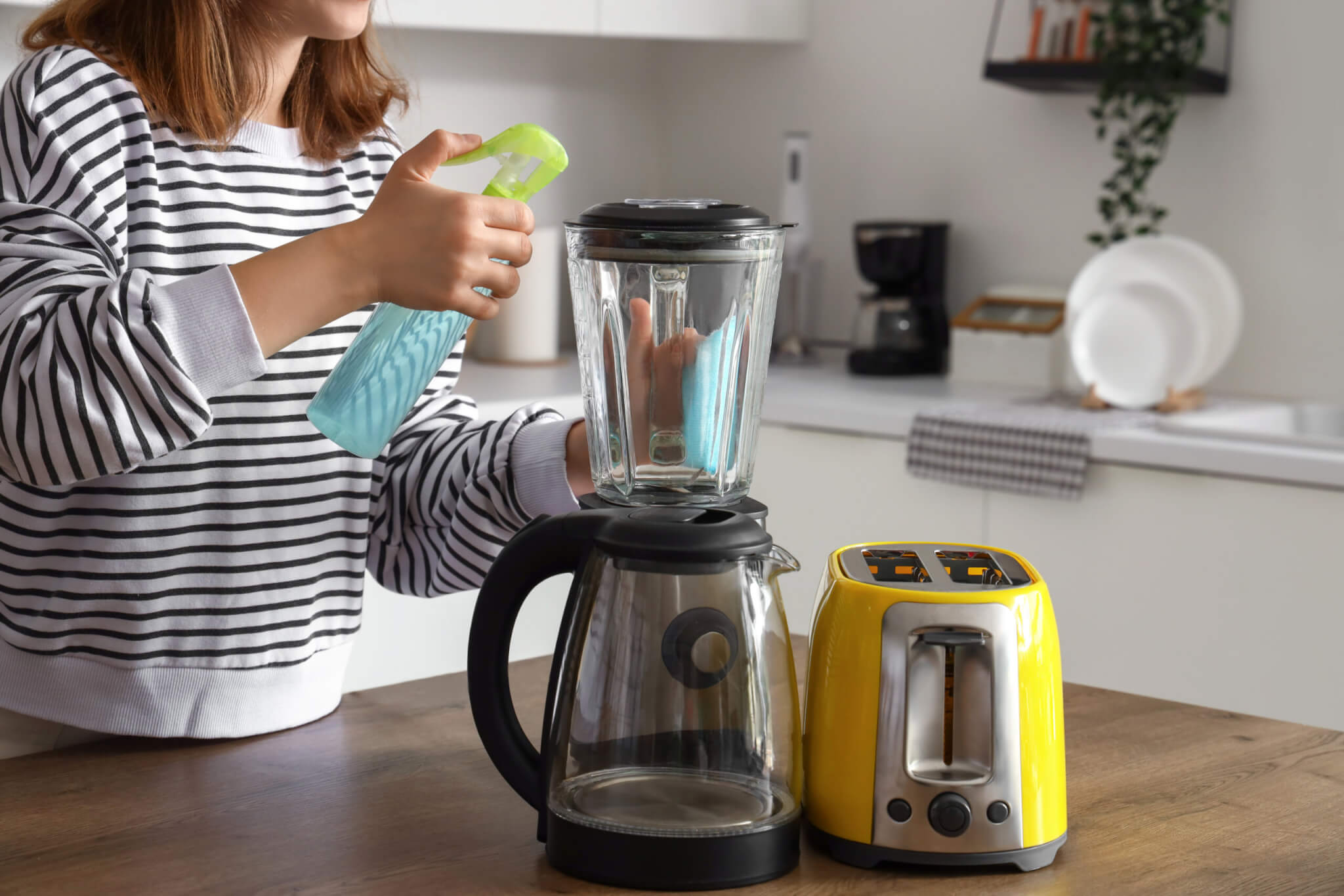
The Blender Mistake That Could Put Your Health at Risk
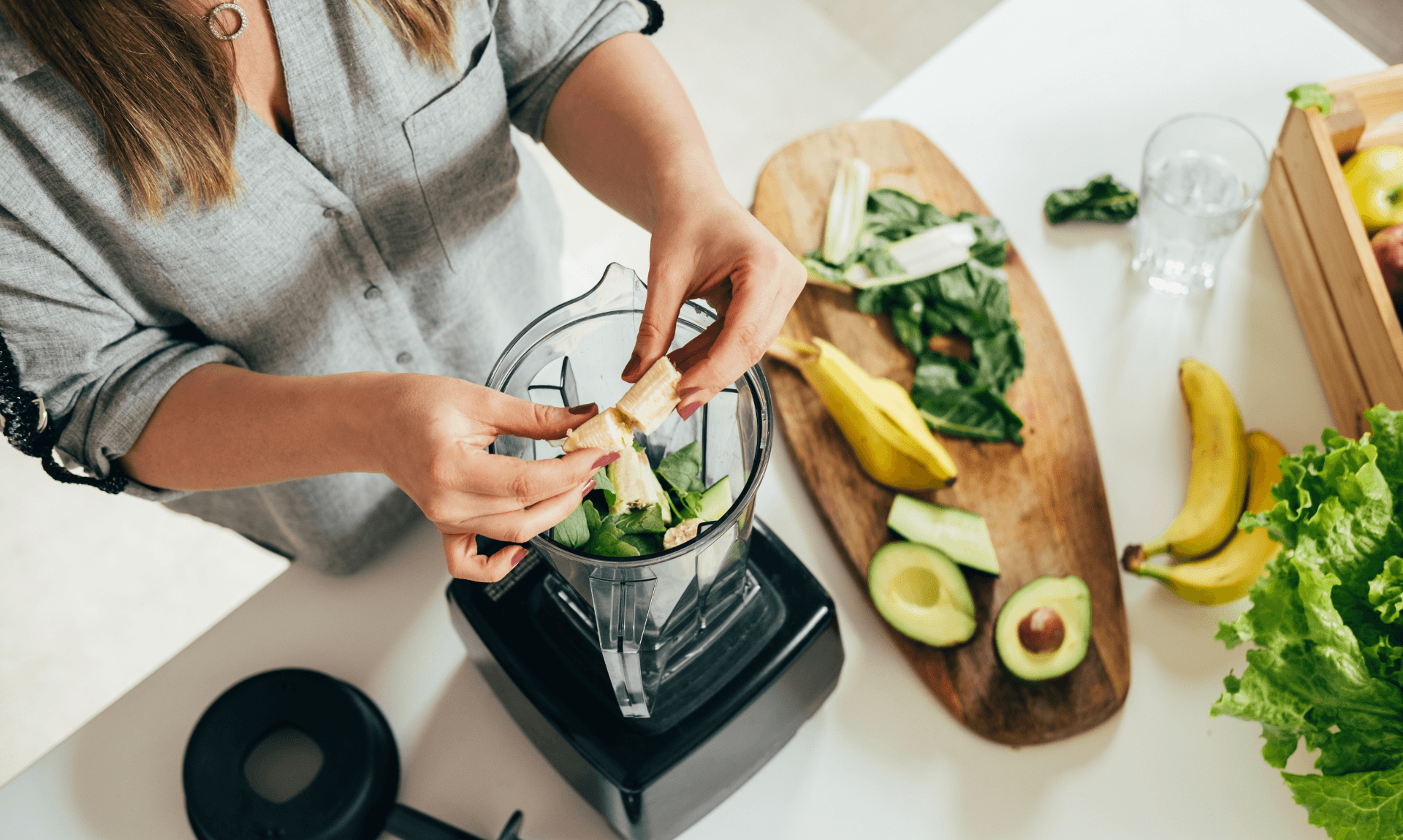
Food safety experts are urging households to take more care when cleaning blenders, warning that poor hygiene could increase the risk of contamination.
Blenders are widely used across the UK for everything from soups and sauces to smoothies and cocktails. However, experts at High Speed Training say many people may not be cleaning them properly, which can affect both hygiene and the lifespan of the appliance.
Your daily dose of Cornwall
News, events and goings on across the Duchy
Clean After Every Use
Rachel Gordon, food safety researcher at High Speed Training, said: “You should clean a blender jug, bottle, lid and blades after every use. The quicker you clean these components the less likely they are to develop build-up, ensuring that the blender remains hygienic and energy efficient. How regularly you clean the base and gasket can vary depending on the frequency of use and setting.
“Always consult the manufacturer’s instructions before cleaning your blender, and avoid harsh, non-food safe chemicals. It’s also important to ensure all parts are completely dry before reassembly to avoid bacteria growth and prevent electrical damage.”
Key Areas People Forget
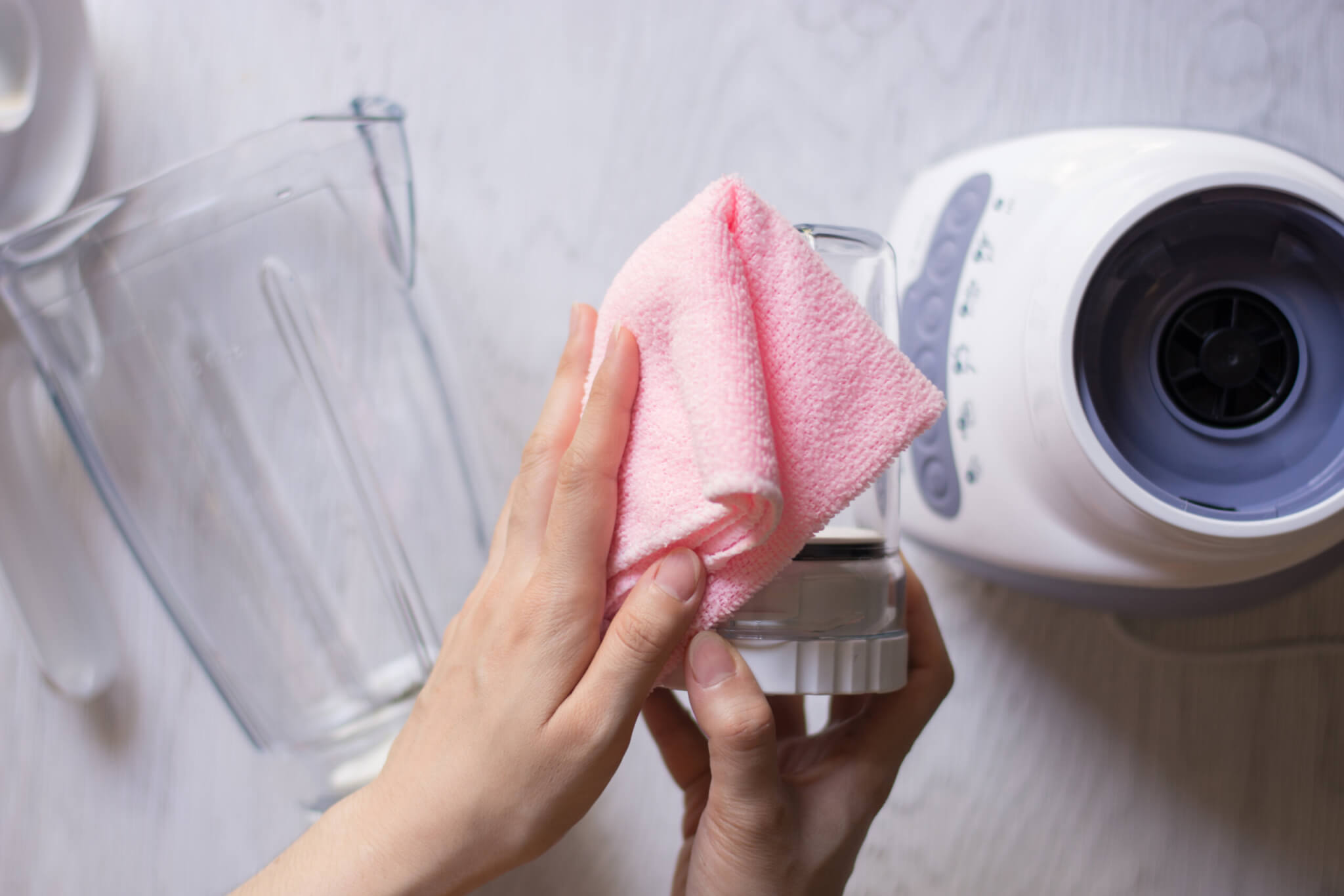
The blender base is one of the most important parts to handle carefully. As it contains the main electrical components, it should never be submerged in water. Instead, users are advised to unplug it and wipe it clean with a damp cloth or sponge before drying it with a soft cloth or paper towel. The cord should also be wiped clean.
Blades are another area that require caution. As they are very sharp, extra care is needed during cleaning. If the blades can be removed, they can be washed in warm soapy water or placed in the dishwasher if suitable.
For fixed blades, experts recommend filling the jug halfway with warm water and a few drops of washing-up liquid, then running the blender for five to ten seconds using a pulse setting if available. The jug should then be emptied and rinsed thoroughly. If needed, the process can be repeated.
Gaskets can also be cleaned separately using warm soapy water.
Can You Use a Dishwasher?
Rachel added: “Some blender components can be put into the dishwasher such as the jug, bottle, lid or blades. It’s important that you check the manufacturer’s instructions first to see whether your particular model can be put in the dishwasher. If your blender can be put in the dishwasher you should separate all components where possible to ensure that each section is washed thoroughly.”
“You should never put the base of a blender in the dishwasher. This is because it contains the main electrical components of a blender and the water from the dishwasher will damage these parts.”
Your daily dose of Cornwall
News, events and goings on across the Duchy
Further Advice Available
More guidance on cleaning blenders and other food safety topics is available on the High Speed Training Hub, which offers a range of free articles and resources.

Read Next
- CharitiesIf you have ever donated to a charity online, bought a ticket to a fundraiser or signed up for a membership, your details are sitting in a database somewhere.
Share This Story, Choose Your Platform!
To keep up with the latest cornish news follow us below
Follow CornishStuff on Facebook - Like our Facebook page to get the latest news in your feed and join in the discussions in the comments. Click here to give us a like!
Follow us on Twitter - For the latest breaking news in Cornwall and the latest stories, click here to follow CornishStuff on X.
Follow us on Instagram - We also put the latest news in our Instagram Stories. Click here to follow CornishStuff on Instagram.
- 1
- 2
- 3
- 4
- 5
- 6