Float to Live: RNLI’s water safety plea for Cornwall
If the heat has you eyeing the sea for a swim this week, there is one piece of advice the RNLI wants in your head before you get in. The water that looks so inviting from the sand is cold enough to catch you out, and knowing what to do in those first few seconds could be the thing that saves your life.
The Royal National Lifeboat Institution is urging everyone heading to the coast during the current hot spell to remember, and share, a handful of simple water safety messages. As the warm weather draws more people to the water to cool off, the risk of drowning rises with it, and the charity is speaking out after a run of recent water-related deaths.
Your daily dose of Cornwall
News, events and goings on across the Duchy
Why the risk climbs in hot weather
The problem is a mismatch. Air temperatures soar, the sea looks calm and welcoming, but the water underneath stays cold enough year-round to trigger what the RNLI calls cold water shock.
Ross Macleod, RNLI Water Safety Manager, said: ‘Our thoughts and sincere condolences are with the families and loved ones of those who have lost their lives in recent water-related incidents.
‘As the hot weather continues, we are urging families to talk about the dangers of open water and how to stay safe. This could be a conversation that saves lives.’
Ross explained why cold water shock is the danger the charity most wants people to understand. ‘The sea or open water may look inviting during hot weather, but it remains cold enough year-round to trigger cold water shock, which can cause uncontrollable gasping, increased heart rate, and can lead to panic and drowning very quickly. It’s best to enter the water slowly to gradually acclimatise.’
What to do if you get into trouble
If you find yourself in difficulty in the water, the instinct is to thrash and fight it. The RNLI says do the opposite. Fight the panic, and Float to Live.
‘Try to relax and float on their back, with head tilted back, gently moving their hands and legs to help them stay afloat,’ Ross said. ‘This buys valuable time to get your breathing back under control, before then calling for help or swimming to safety.’
In practice, Float to Live means: tilt your head back with your ears submerged, relax and try to breathe normally, and move your hands and legs to help you stay afloat. It is fine if your legs sink, as we all float differently. Once your breathing is under control, call for help or swim to safety.
What to do if you see someone else in trouble
The hardest instinct to resist is going in after them. The RNLI is clear that you should not, because you could quickly end up in serious difficulty yourself. Instead, remember Phone, Float, Throw.
Phone 999 or 112 and ask for the Coastguard. Tell the struggling person to float. And throw them something that floats, such as a life ring.
Your daily dose of Cornwall
News, events and goings on across the Duchy
Choosing where to swim
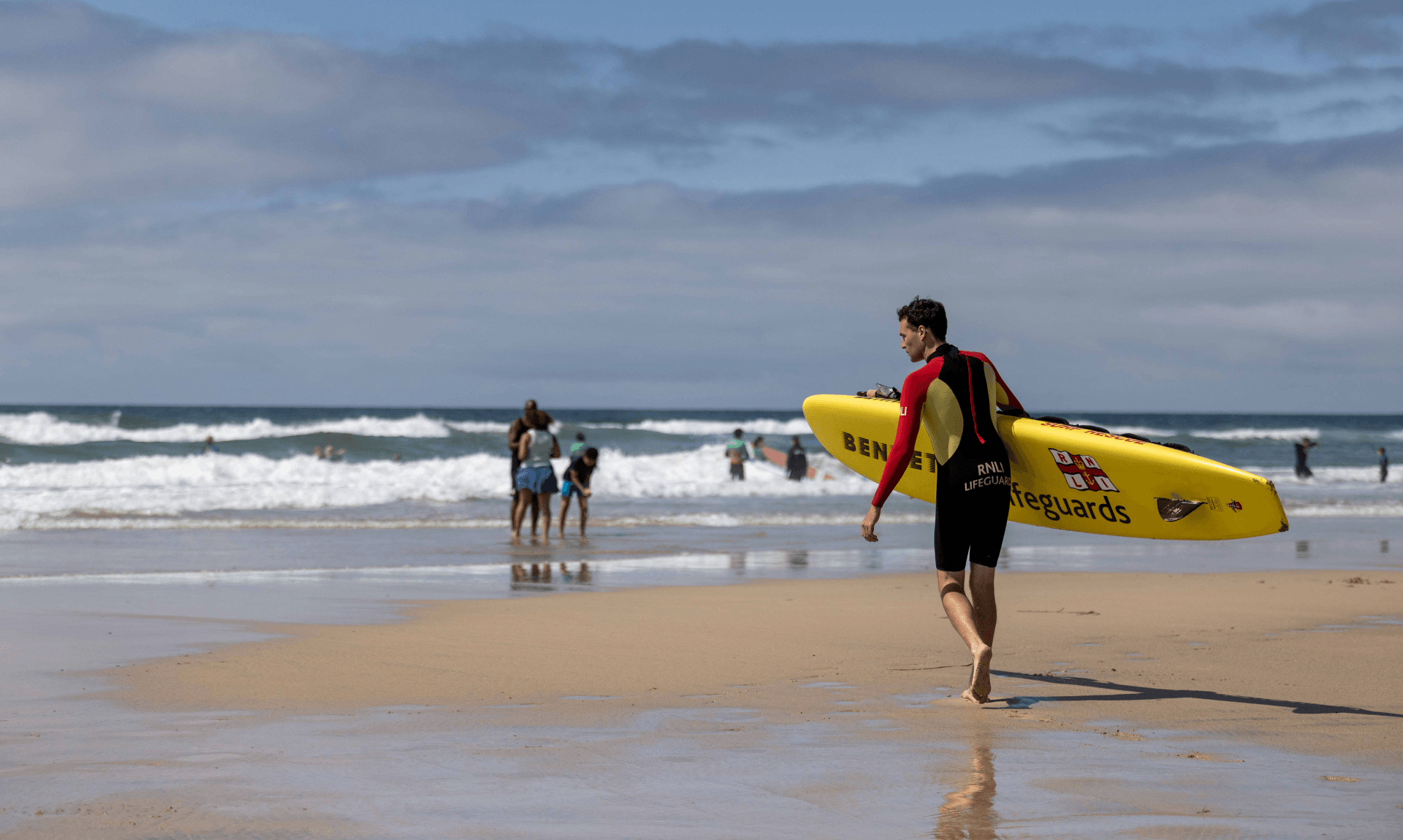
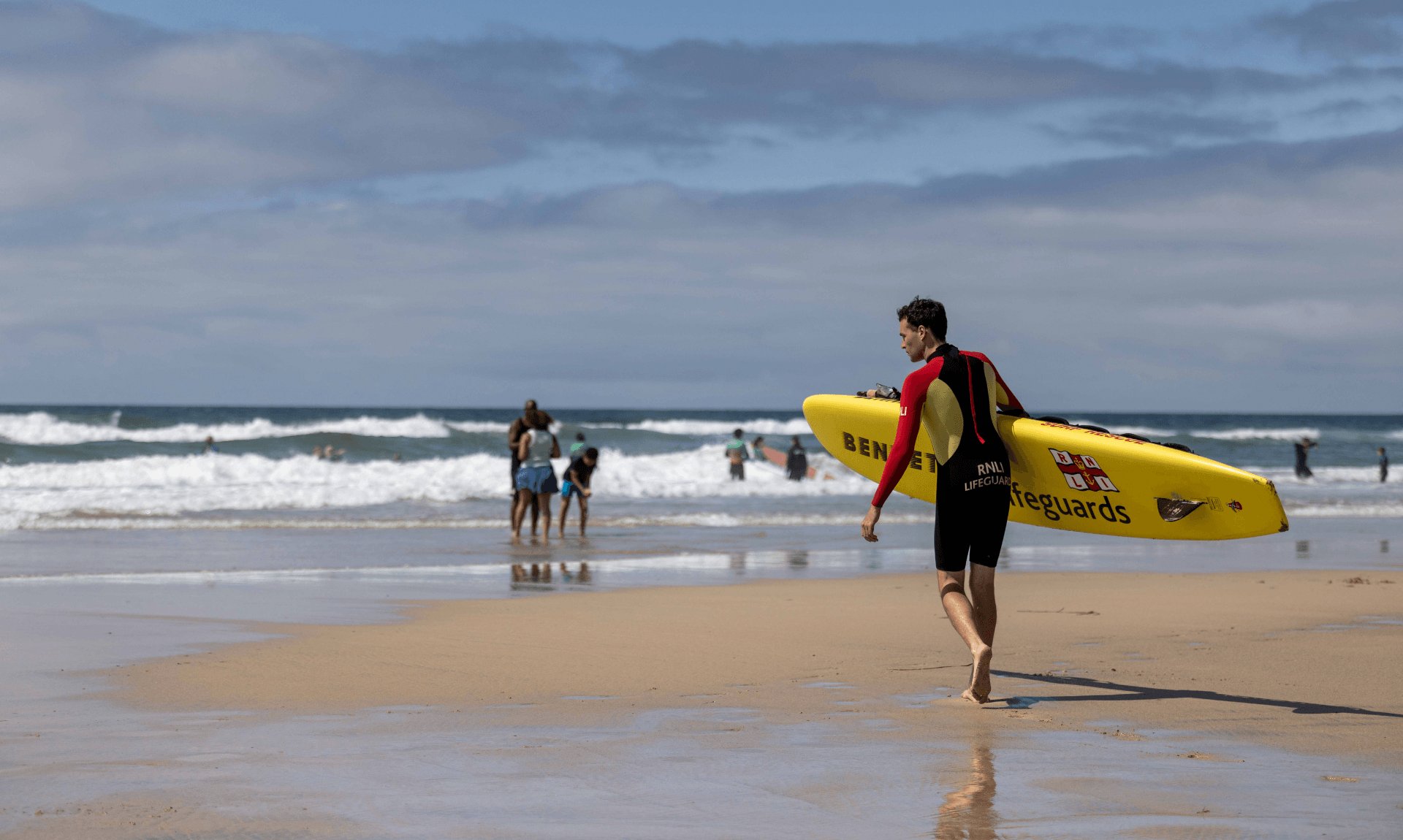
The safest option at the coast is a lifeguarded beach, where you should swim between the red and yellow flags. If a lifeguarded beach is not an option, the RNLI advises finding out about your chosen beach before you go, checking the weather and tide times and reading the local safety signage.
You can check online to find your nearest lifeguarded beach. This year the RNLI’s lifeguard service marks 25 years of keeping beaches safer.
‘By remembering this advice and sharing it widely, we can all play a role in helping to save more lives from drowning,’ Ross said.
Read Next
- St Columb MajorIf you drove past the primary school in St Columb Major on Monday morning, there is a chance someone was checking your speed.
Share This Story, Choose Your Platform!
To keep up with the latest cornish news follow us below
Follow CornishStuff on Facebook - Like our Facebook page to get the latest news in your feed and join in the discussions in the comments. Click here to give us a like!
Follow us on Twitter - For the latest breaking news in Cornwall and the latest stories, click here to follow CornishStuff on X.
Follow us on Instagram - We also put the latest news in our Instagram Stories. Click here to follow CornishStuff on Instagram.
- 1
- 2
- 3
- 4
- 5
- 6