Bluetongue virus: Cornwall livestock keepers urged to stay alert
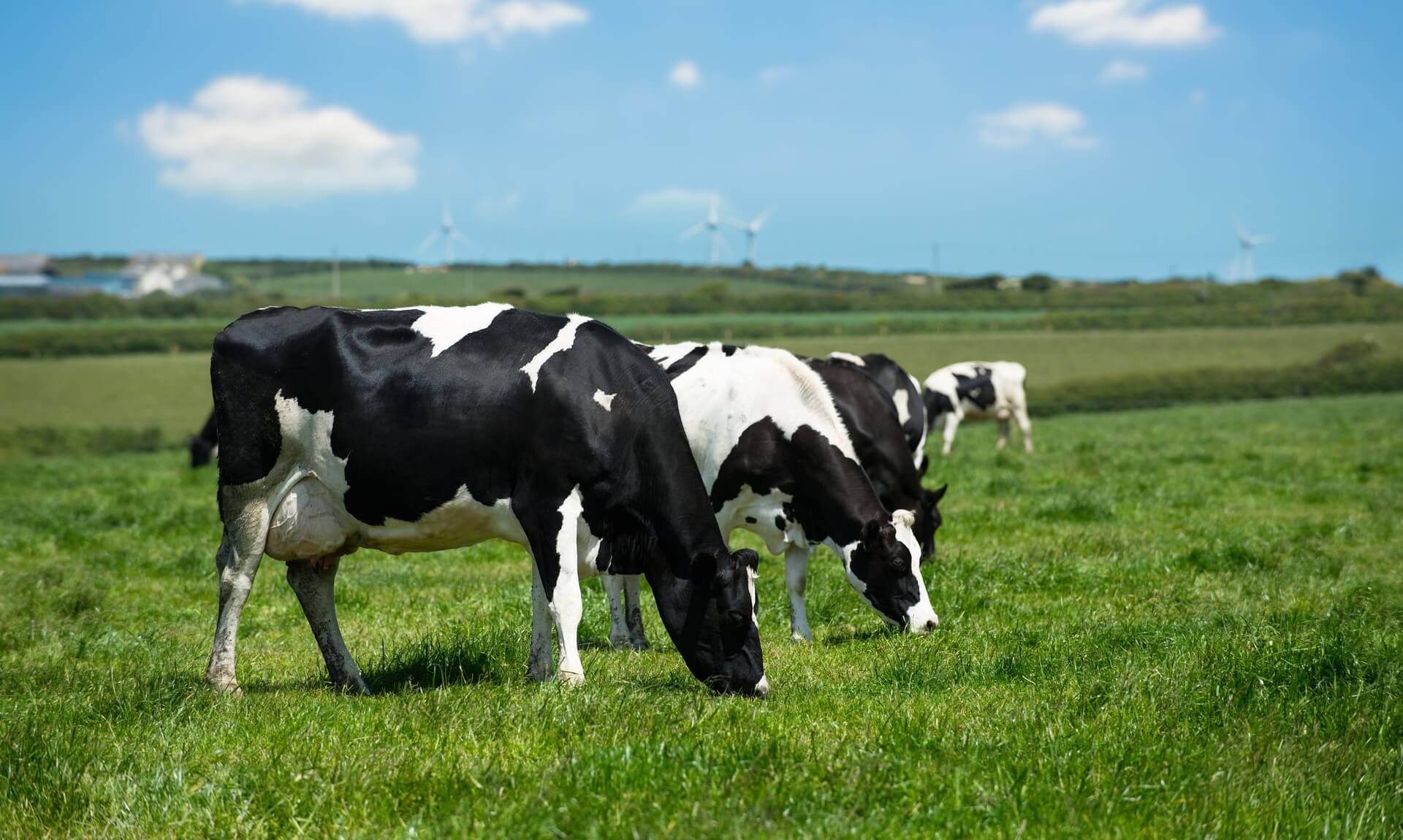
If you keep cattle, sheep, goats or a few alpacas, this one is worth a careful read. Cornwall Council is asking livestock keepers across the county to keep a close eye on their animals for signs of bluetongue, and to act fast if something looks wrong.
Your daily dose of Cornwall
News, events and goings on across the Duchy
What bluetongue is
Bluetongue is a viral disease that affects ruminants, the group that includes cattle, sheep, goats and deer. It also affects camelids, so alpacas and llamas are at risk too.
The virus is spread by biting midges rather than by direct contact between animals. That is why cases can turn up across a wide area once the insects are active, and why a farm can be affected without a sick animal ever coming through the gate.
There is one piece of reassurance worth stating plainly. The virus does not affect people, and it does not affect food safety. This is an animal health matter, not a risk to anyone eating meat or dairy.
The signs to watch for
Knowing what bluetongue looks like is the difference between catching it early and missing it. Look for fever, swelling around the face, and ulcers in the mouth. Drooling and nasal discharge are also signs, as is lameness.
The signs tend to be clearest in sheep, which can show sores in the mouth and nose, a swollen head, fever and lameness. Cattle are worth extra attention. An infected cow can carry and spread the virus while showing only mild signs, so a herd that looks settled is not proof that all is well.
If you spot several of these together, treat it seriously.
What to do if you suspect it
Do not wait. Bluetongue is a notifiable disease, which means you are legally required to report any suspicion of it. If you think one of your animals is affected, call 03000 200 301 straight away. The full guidance is on the government’s bluetongue page.
Reporting quickly matters for the animal in front of you and for every other herd and flock nearby. And because the disease travels on the midge rather than passing hoof to hoof, one early call can make the difference for farms well beyond your own gate.
Read Next
- TruroAfter a year on the road, a Cornish ghost story is coming back to where it was made.
Share This Story, Choose Your Platform!
To keep up with the latest cornish news follow us below
Follow CornishStuff on Facebook - Like our Facebook page to get the latest news in your feed and join in the discussions in the comments. Click here to give us a like!
Follow us on Twitter - For the latest breaking news in Cornwall and the latest stories, click here to follow CornishStuff on X.
Follow us on Instagram - We also put the latest news in our Instagram Stories. Click here to follow CornishStuff on Instagram.
- 1
- 2
- 3
- 4
- 5
- 6