Healthwatch Cornwall report finds healthcare built for car owners
Picture the patient Cornwall’s health and care system seems to have been designed for. They drive. They’re happy filling in an online form at 8am. They have a bit of money put by, an employer who doesn’t mind them slipping out for an appointment, and nobody at home who relies on them.
If that sounds like you, things mostly work. If it doesn’t, a new report suggests you’re probably working a lot harder just to be seen.
Healthwatch Cornwall has published Healthcare access in Cornwall: Barriers and inequalities, which finds that transport and physical access, digital exclusion, affordability and personal circumstances create barriers to care that often overlap.
Your daily dose of Cornwall
News, events and goings on across the Duchy
Where the evidence came from
The report draws on 374 survey responses gathered between 4 June and 4 August 2026, plus 497 pieces of Have Your Say feedback. Healthwatch Cornwall also carried out Enter and View visits at five GP practices and gathered intelligence from all five of its Partnership Boards: Ageing Well, Carers, Autism, Learning Disability and Mental Health.
It also spoke to Cornwall Council’s Digital Inclusion and Strategic Transport teams.
Fine on average, harder at the edges
On the face of it, most people are doing OK. Of those surveyed, 97% can reach their nearest GP or primary care service within 40 minutes, 86% have reliable home internet, and 78% have not had to avoid care because of cost.
But the report is clear about what those figures hide.
“For residents who match that default, the system tends to work reasonably well. For those who don’t, access becomes a matter of working harder, waiting longer, and advocating repeatedly simply to be seen, heard and believed on the same terms as everyone else.”
Averages, it says, “conceal a defined, and often overlapping, group for whom these barriers compound.” That might be the resident who has stopped driving and finds public transport doesn’t reach Treliske, or the carer managing their own health on top of someone else’s. It might be the person with an invisible condition dismissed as “all in their head”, or someone whose money worries leave them without the resilience to keep trying for appointments.
Eight in ten respondents named at least one barrier to getting care. Waiting times came top, cited by more than half, nearly double the next most common answer. And when asked if things had improved over the past 12 months, 69% said no, with just 16% noticing positive change. One person described still being fifteenth in the phone queue after half an hour on hold.
When you can no longer drive
Only 9% of respondents have no access to a car. But for that group, the report describes transport as a “cliff-edge”.
Many people who manage today say they only do so because they can still drive. “As I get older the chances are I will have to stop driving,” one told Healthwatch Cornwall. Another said: “If I didn’t have my partner, I don’t know how I would get to my appointments.”
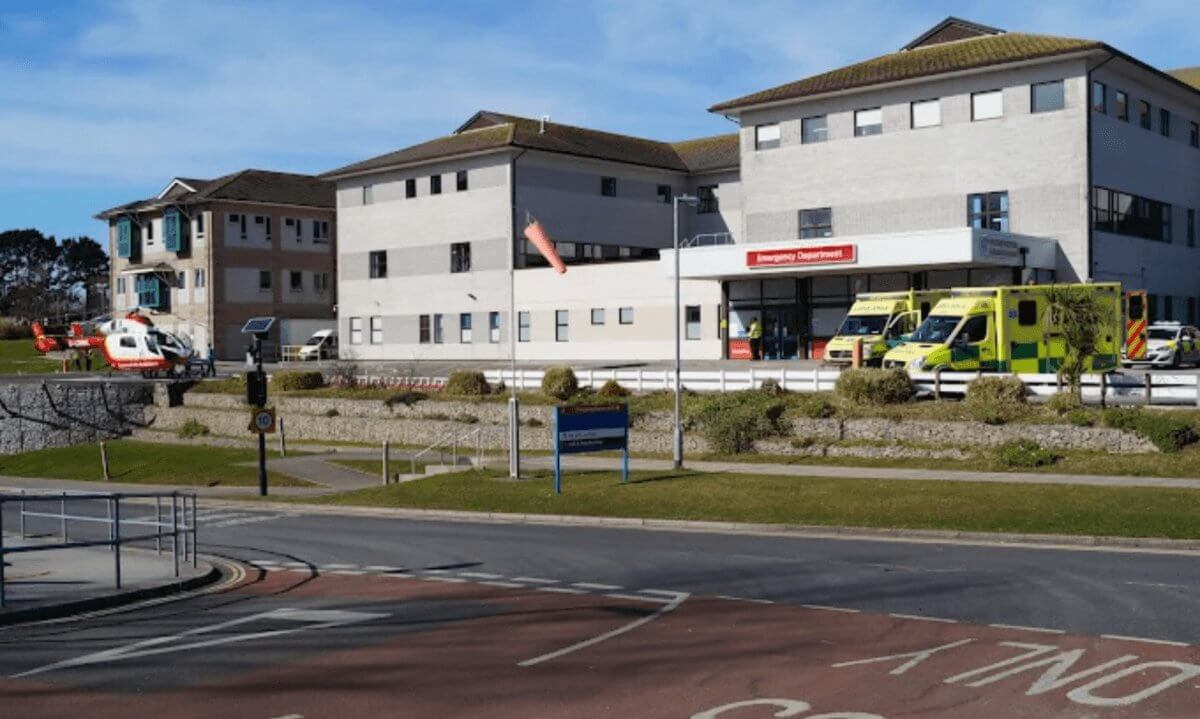
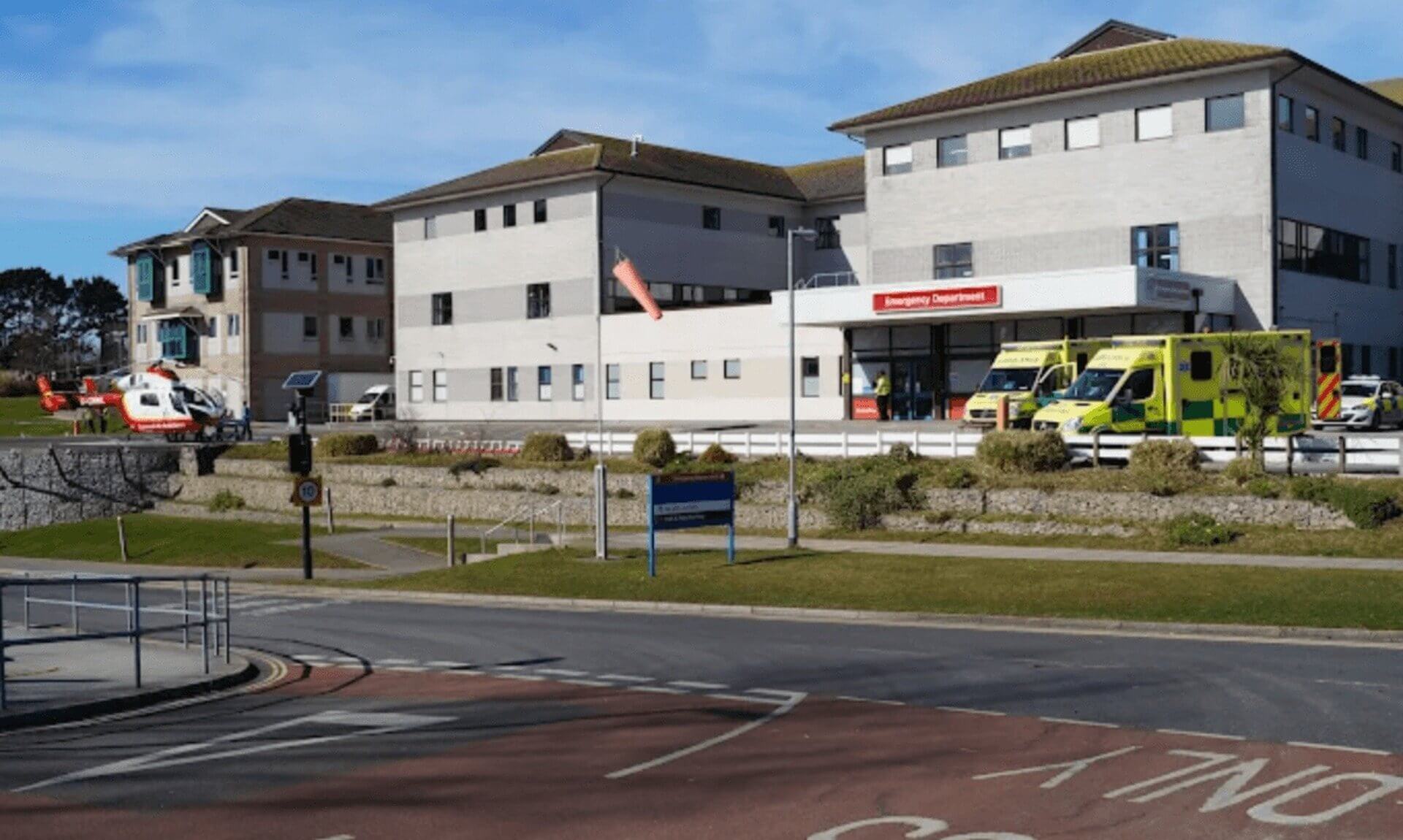
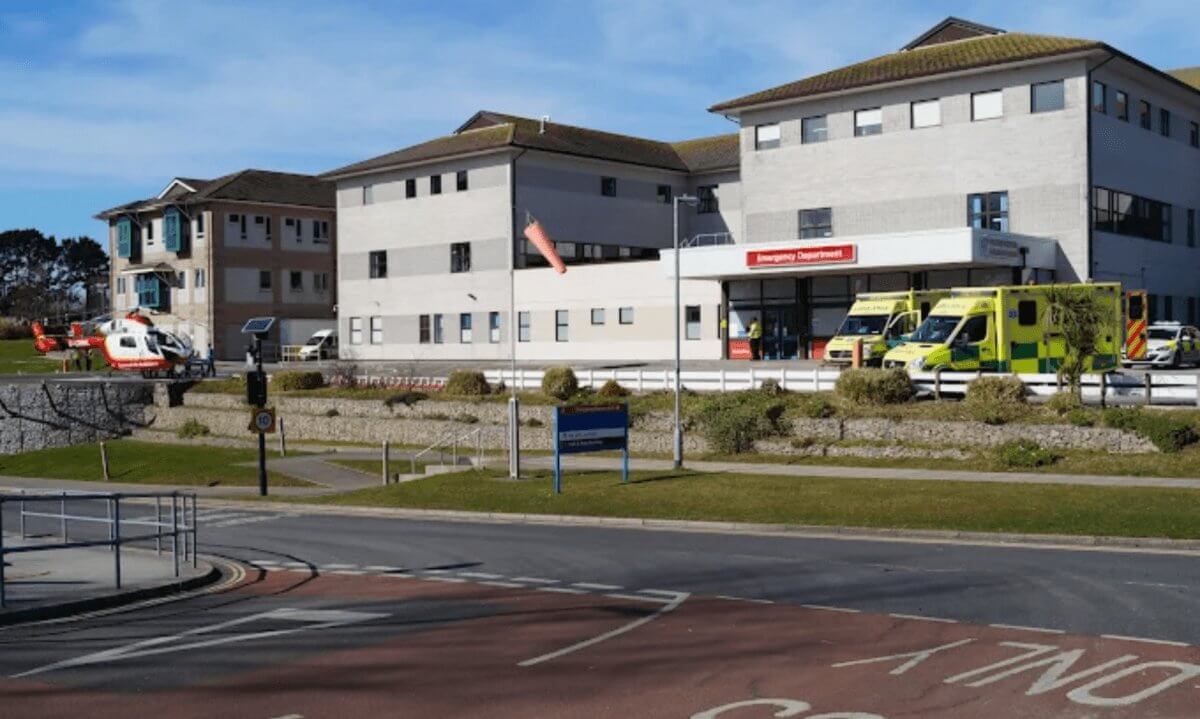
Getting to Treliske and Derriford by public transport came up again and again, with some journeys involving up to six changes of bus and train. “I can’t get to Treliske before 10:30 in the morning, and the next bus arrives an hour later,” said one resident.
Respondents aged 80 and over were almost twice as likely to have limited or no transport. The Ageing Well Partnership Board heard that community transport and volunteer driver schemes aren’t centrally coordinated across Cornwall, with the Lizard and West Cornwall named as areas with particularly limited routes.
For those who do drive, parking was one of the most raised concerns, including one £200 parking bill during a two-week hospital stay.
Your daily dose of Cornwall
News, events and goings on across the Duchy
Online, but not always confident
Almost everyone in the survey has some kind of internet access. The problem is confidence. One in five said digital difficulty had stopped them getting care at some point, and that rose to 58% among people who described themselves as “not at all confident” online, compared with 8% of the “very confident”.
“I wouldn’t have an appointment if my sister didn’t help me use online services,” said one resident. Another worried: “I am always afraid that if I tick the wrong thing it will remain on my health record and not be accurate.”
Where digital tools work well, though, people love them. The NHS App drew repeated praise, and several people described getting same-day dermatology or GP reviews after sending a photo online.
Money as a magnifier
Almost a third of respondents (31%) face at least one financial pressure, and 42% of those face two or more at once.
That’s where things change sharply. Facing two or more pressures, compared with none, takes the chance of avoiding care due to cost from 11% to 45%. The chance of being shut out by digital exclusion jumps from 16% to 41%.
Dentistry was the clearest example. “Because I couldn’t afford to go I left it and then ended up having a tooth out,” one resident said. Others described long round trips for tests and appointments, including a 60-mile round trip for a hospital blood test.
Being heard and believed
Half of respondents feel their health concerns are taken seriously only sometimes, rarely or never. Women aged 65 to 79 were less than half as likely as men of the same age to say they always feel taken seriously.
“I feel like as a woman when you turn 60 you become invisible,” one respondent said.
Mental health support stood out. Of those who needed it in the past year, just 7% said they accessed it easily, and only 41% of all respondents said they would know where to go in a crisis. The report also notes that Cornwall Partnership NHS Foundation Trust employs 19 Mental Health Practitioners against a target of 46.
Carers described a second layer of barriers on top of the ones facing the person they look after. Nearly half of carers in the survey reported financial pressure, around twice the rate of non-carers.
Your daily dose of Cornwall
News, events and goings on across the Duchy
Four recommendations
Healthwatch Cornwall, the independent body that makes sure local voices are heard in health and social care, is calling for:
- A coordinated route to healthcare for non-drivers. Clear information on how bus and train services connect for health journeys, local schemes signposted when appointments are booked, and appointment times reviewed against realistic public transport journeys.
- A non-digital choice for those who want it. A clearly signposted alternative wherever a digital-first service is introduced, with Cornwall Council’s Digital Champions supporting people with health systems such as the NHS App and online booking.
- Fewer avoidable costs when accessing care. Starting with a clear, public account of NHS dental availability in Cornwall.
- Personal circumstances as a standard part of every consultation. Including consistent carer identification and a named carers advisor at GP practices, measured against an estimated 50,000 unpaid carers in Cornwall.
Each recommendation sets out a timescale, who should lead, who else needs to be involved, what improvement would look like, and how Healthwatch Cornwall will follow up and measure the impact. Most name NHS Cornwall and Isles of Scilly Integrated Care Board or Cornwall Council as the lead, with timescales mostly between 12 and 24 months.
What’s already working
The report also picks out good practice. Pharmacies were among the most consistently praised services, and Volunteer Cornwall’s Community Hub Network has grown from 32 to 63 hubs over the past three years. Staff attitude and a caring culture was the most consistently positive theme across all five GP practices visited.
“Not a criticism of individual services”
Debbie Gilbert, CEO of Healthwatch Cornwall, said: “This is the first of three Issue Reports in our 2026–27 programme, and it asks a specific question: not simply whether healthcare access in Cornwall is hard, but why the same wait, the same appointment, or the same digital form affects one resident differently from another.
“Far from being a criticism of individual services or providers, our evidence-based research collates user experience to identify current failings and reduce inequalities in reaching and using healthcare services across the county.
“Our health and care system cannot solve poverty, rurality or the challenge of having an ageing population, but services shouldn’t be designed on the assumption that every resident has a car, a flexible employer, spare money and a confident grasp of technology.”
Debbie added: “We will follow each recommendation through, and will return to this evidence, and to the residents who shared it with us, to check that what we heard leads to what changes.”
Read Next
- Crime & Police NewsA car smashed into a level crossing on the main line through Cornwall late on Monday night, leaving debris across the tracks.
Share This Story, Choose Your Platform!
To keep up with the latest cornish news follow us below
Follow CornishStuff on Facebook - Like our Facebook page to get the latest news in your feed and join in the discussions in the comments. Click here to give us a like!
Follow us on Twitter - For the latest breaking news in Cornwall and the latest stories, click here to follow CornishStuff on X.
Follow us on Instagram - We also put the latest news in our Instagram Stories. Click here to follow CornishStuff on Instagram.
- 1
- 2
- 3
- 4
- 5
- 6