Ancient axes and vanished species at the Eden Project
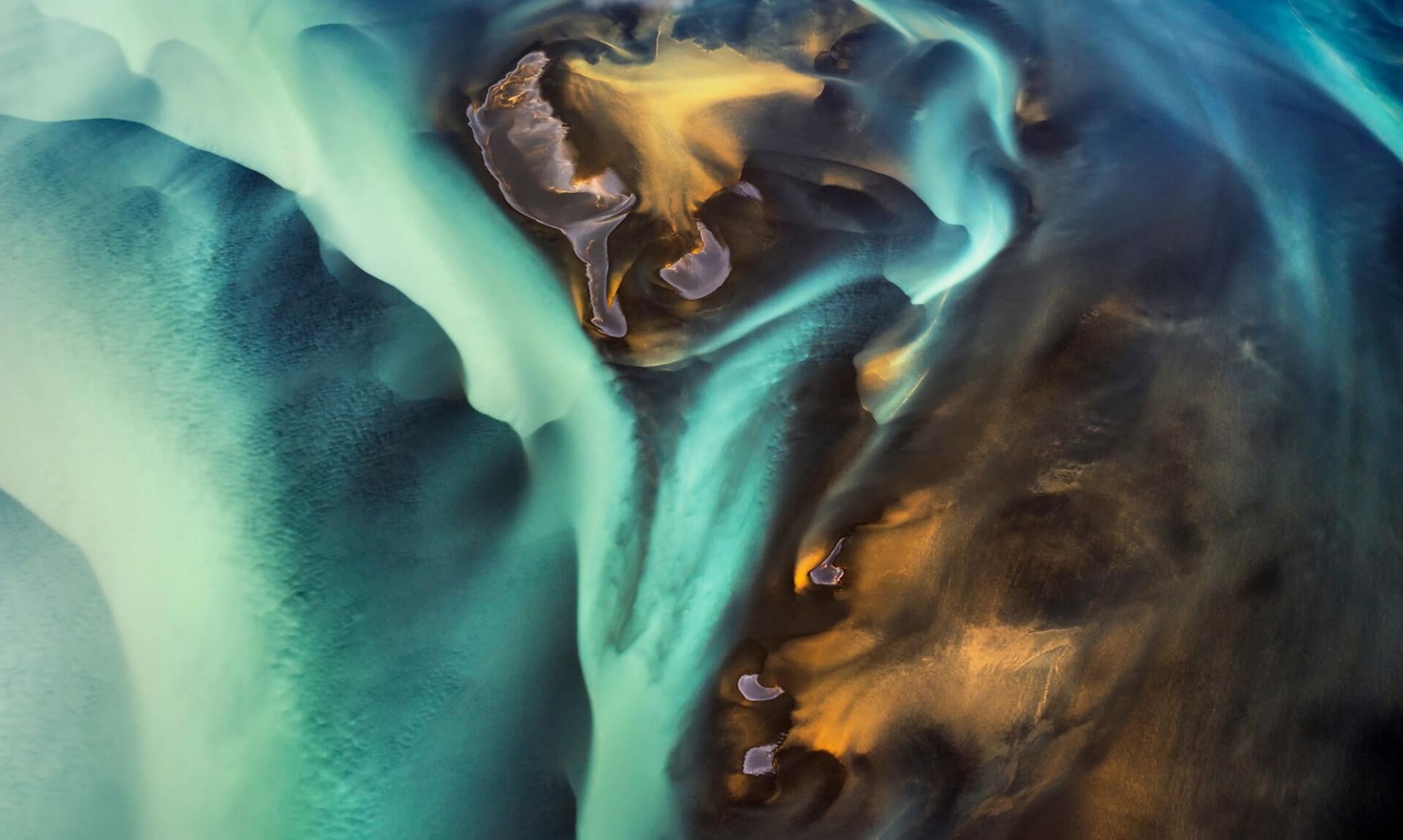
Some of the objects going on show at the Eden Project this autumn are older than our own species. A hand axe shaped by human hands around 600,000 years ago. A cluster of pinecones that fell from their branches some 800,000 years back. The fossilised teeth of three animals that no longer exist anywhere on Earth.
They all belong to Extinction: Renewal, Art of a Living Planet, a major new exhibition opening at the Eden Project near St Austell on 18 September 2026. Created by the conservation charity Explorers Against Extinction with more than 35 artists, photographers, sculptors and filmmakers from around the world, it follows our relationship with the natural world from deep prehistory, through the present, and into a future that is still being written.
The show is built as a journey through four connected zones, called Extinction, Climate, Community and Renewal. Together they move from what has already been lost, through the pressures reshaping the planet now, to the people trying to turn things around. Several of the works have been commissioned for the show and have never been seen in public before.
Your daily dose of Cornwall
News, events and goings on across the Duchy
Objects older than our species
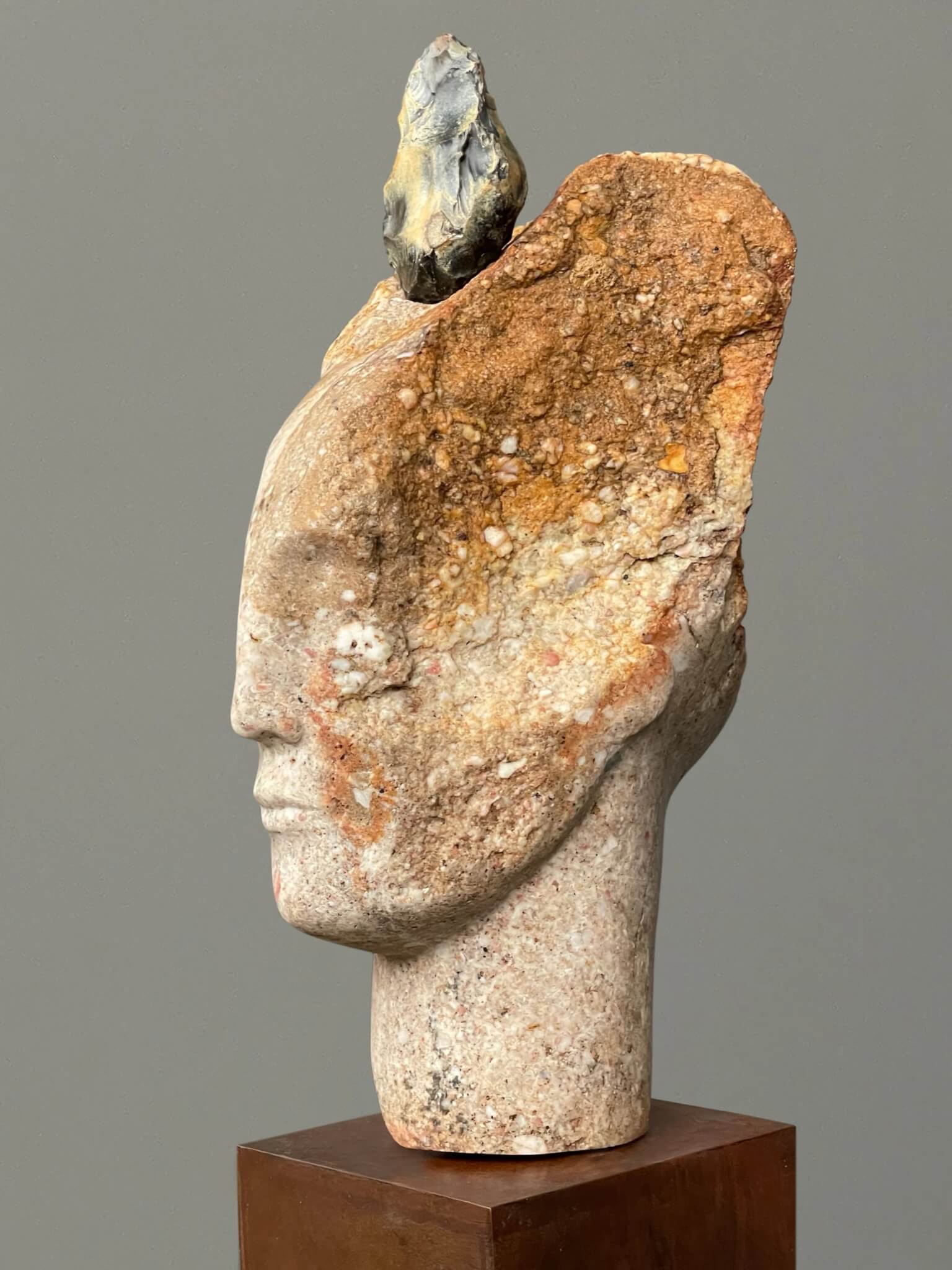
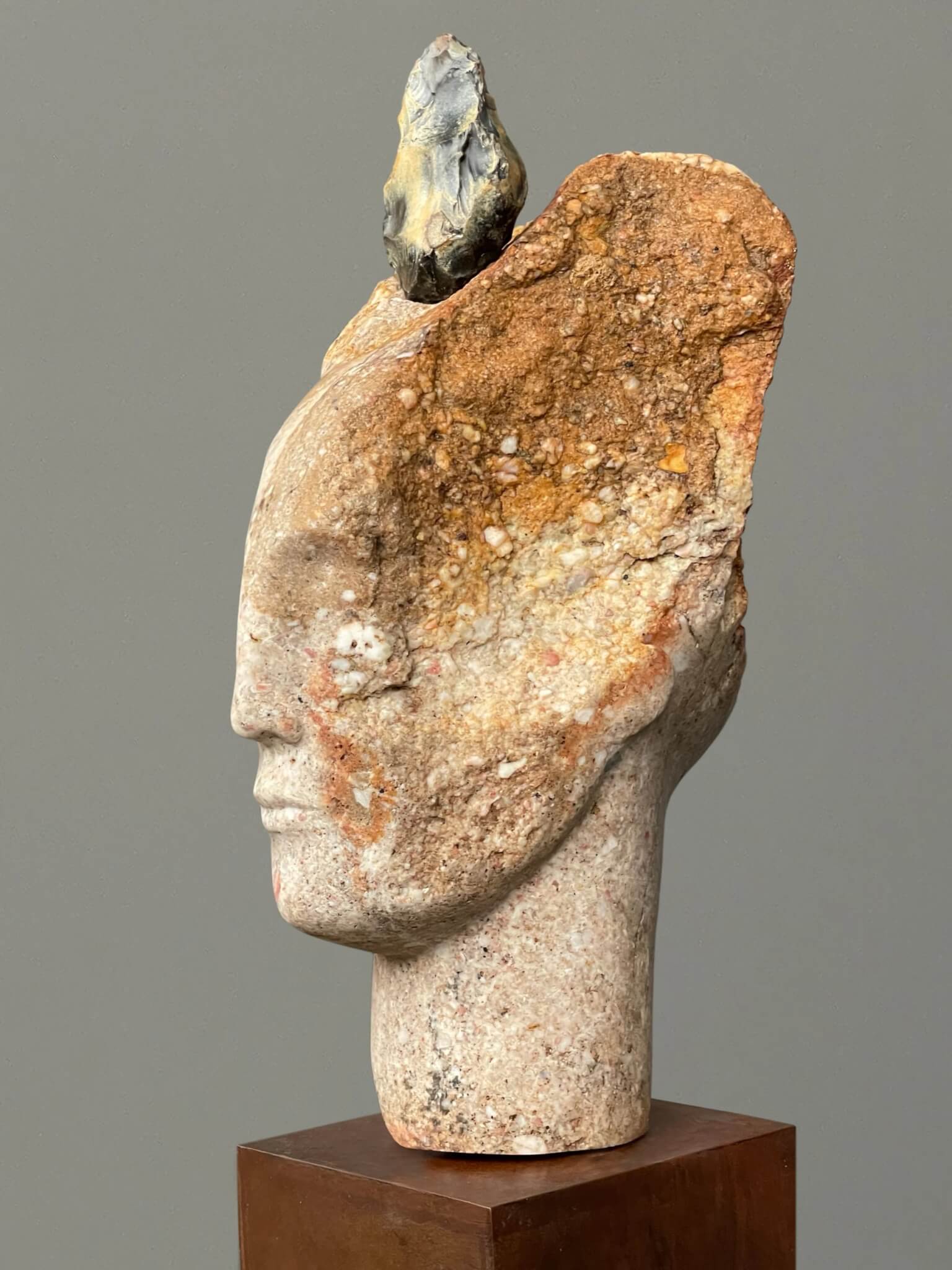
The opening zone travels back through Earth’s history to ask what ancient landscapes can still teach us. Its centrepiece is a carved stone face by Emily Young, worked from stone that incorporates a hand axe made around 600,000 years ago. The human features seem to lift out of the raw rock, caught somewhere between a portrait and a relic.
Fossil teeth and 800,000-year-old pinecones
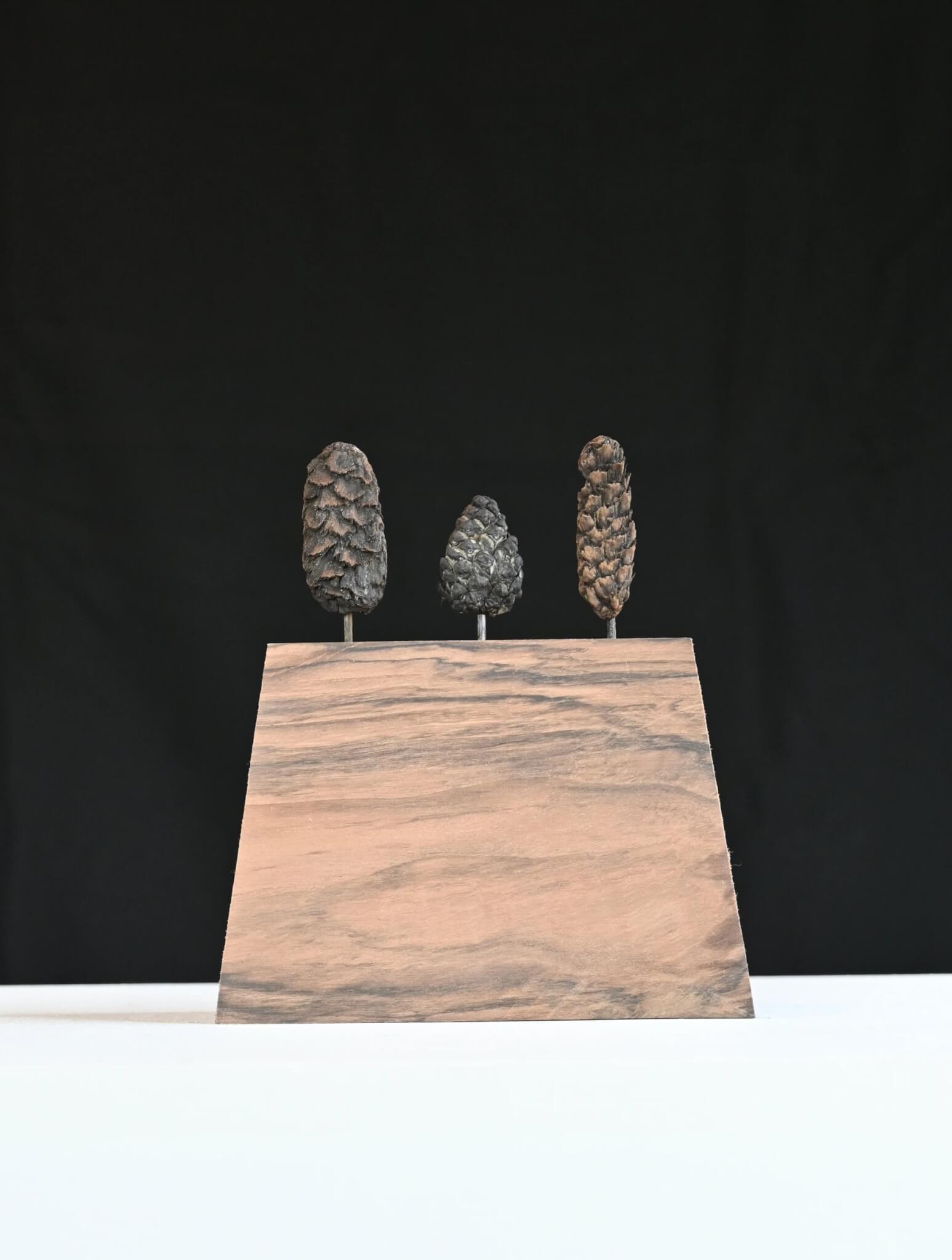
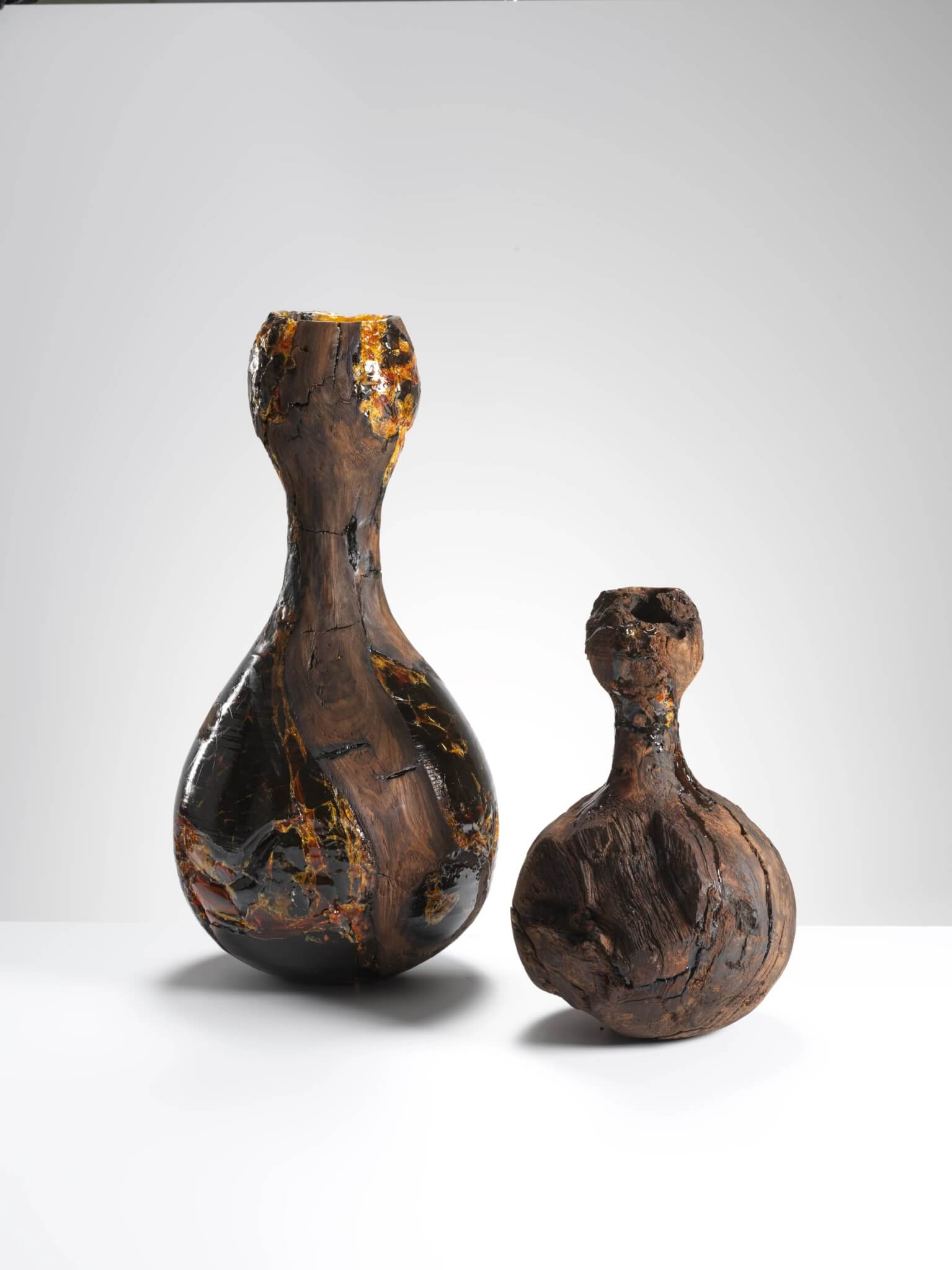
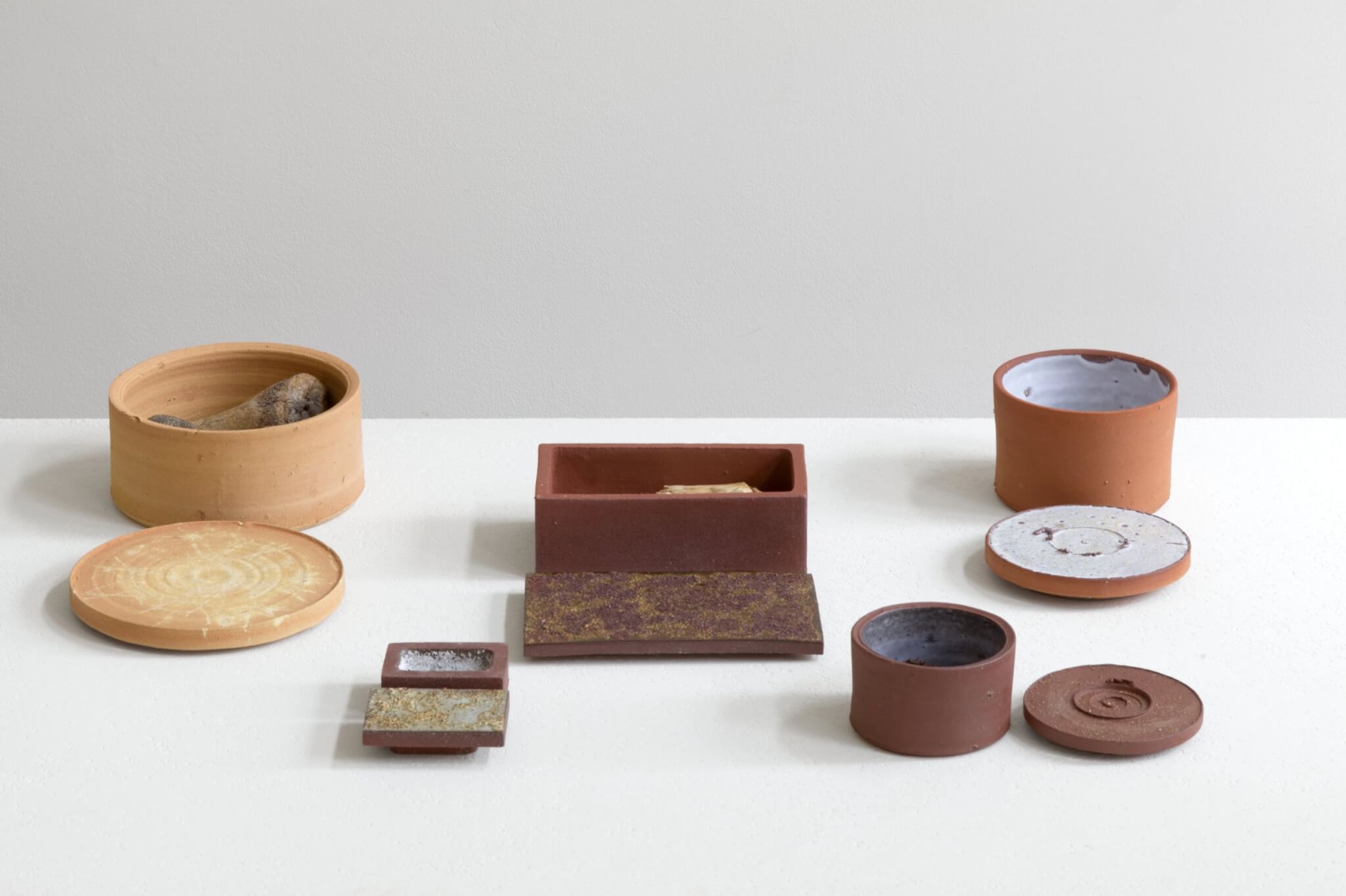
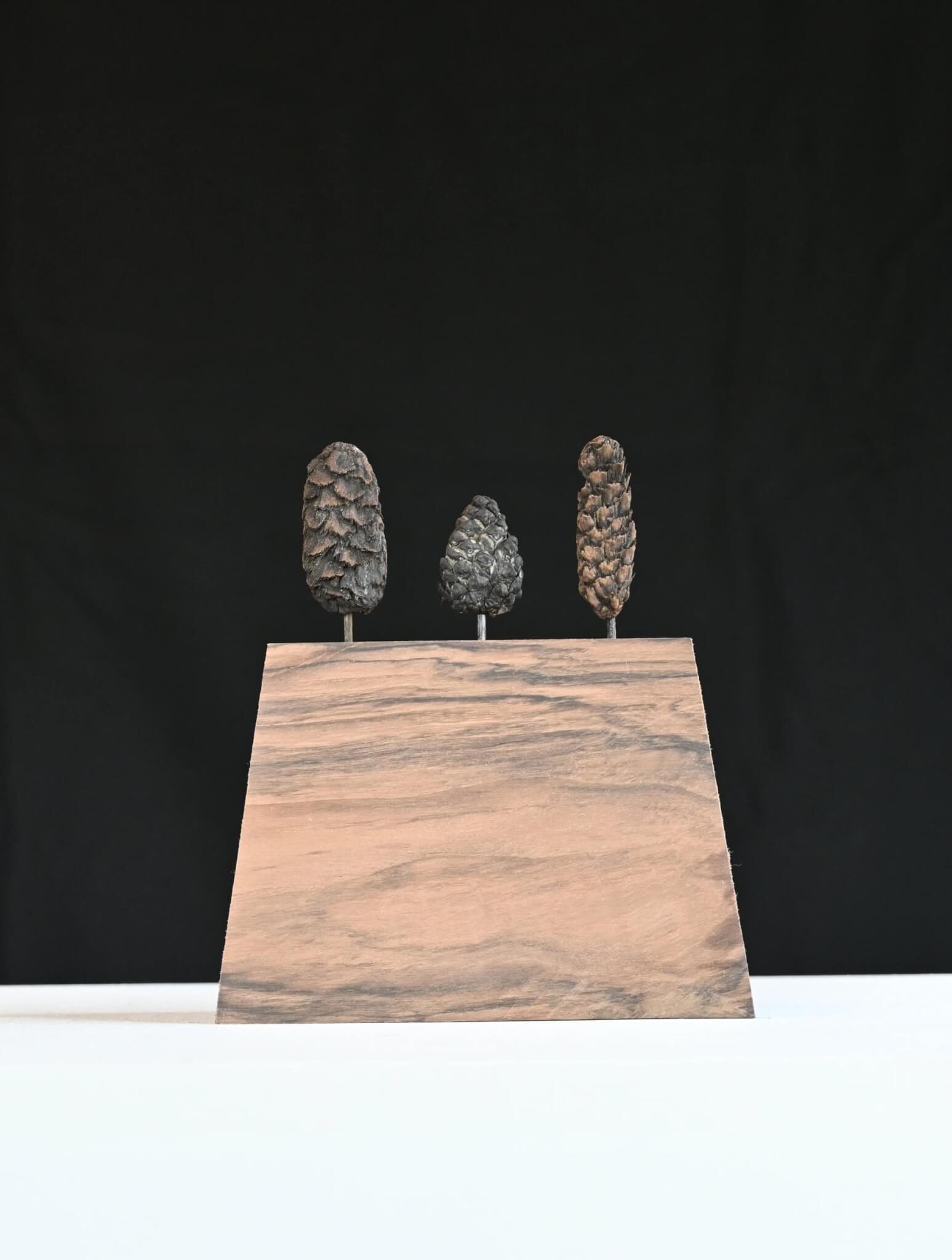
Close by, the sculptor Richard Deacon shows a piece made from the fossilised teeth of three vanished species, while David Nash presents sculptures formed from pinecones that are around 800,000 years old. The same zone gathers work by Andy Goldsworthy, Conrad Shawcross, Julian Stair, Eleanor Lakelin and Michael Pinsky, each of them turning natural material and deep time into something you can stand in front of.
The changing planet, through a lens
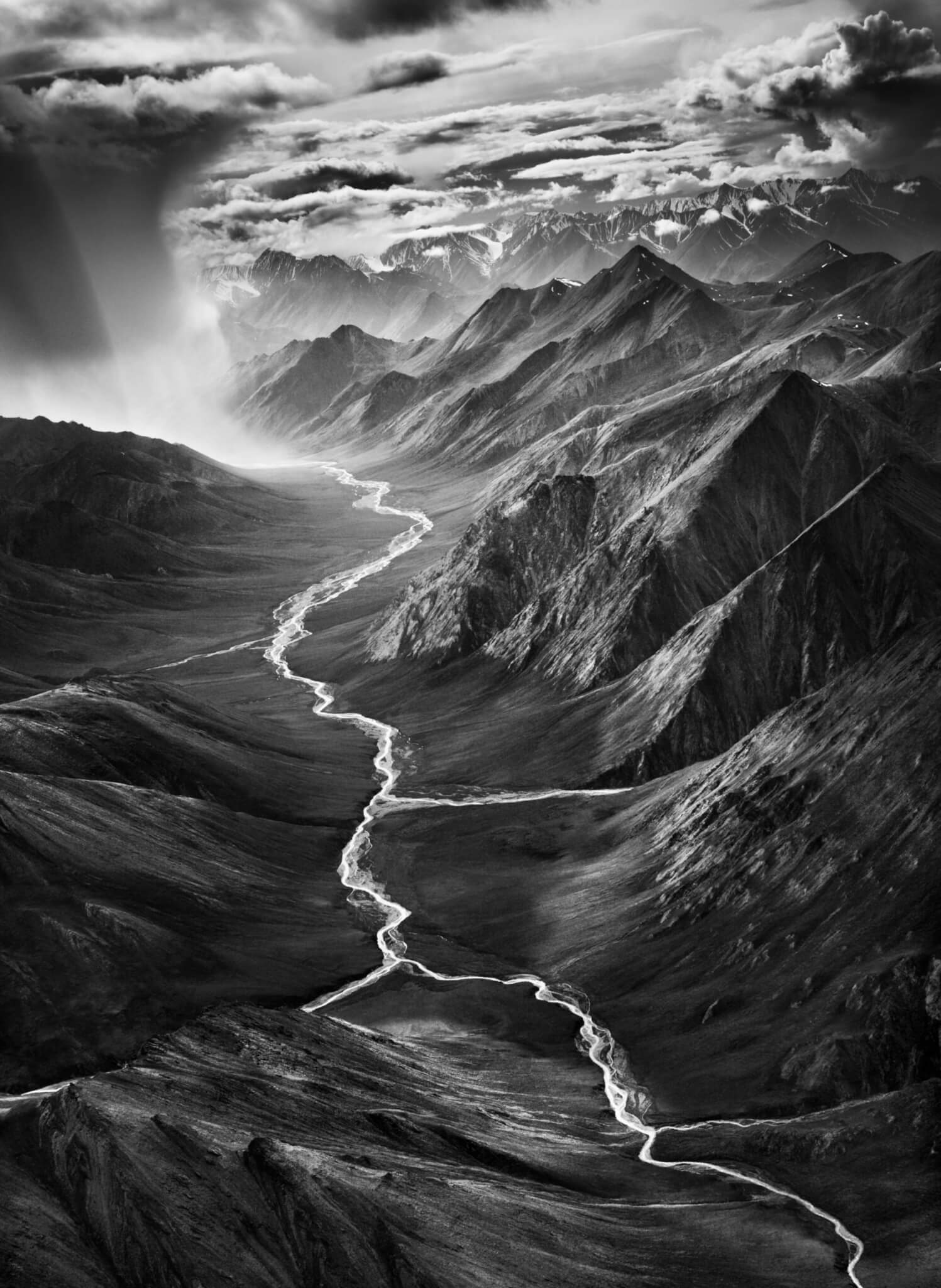
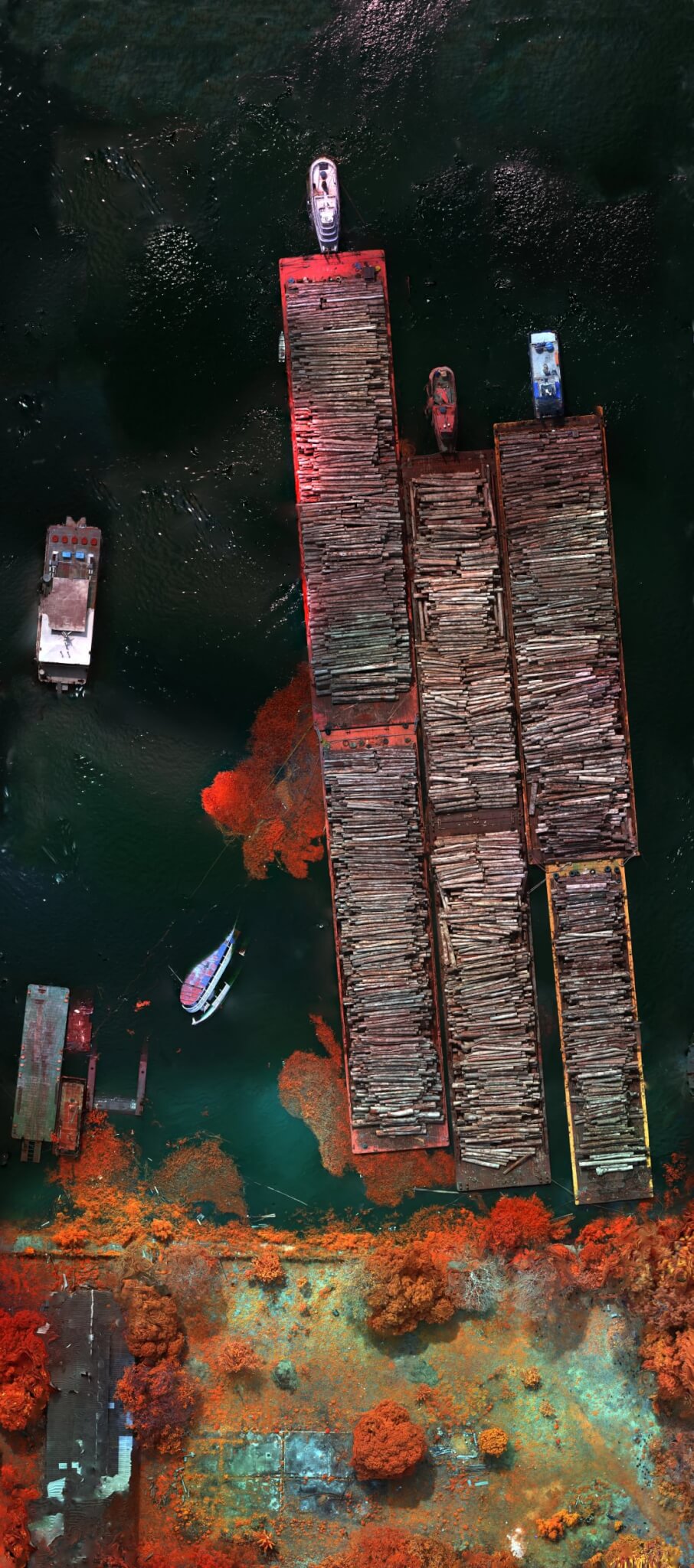
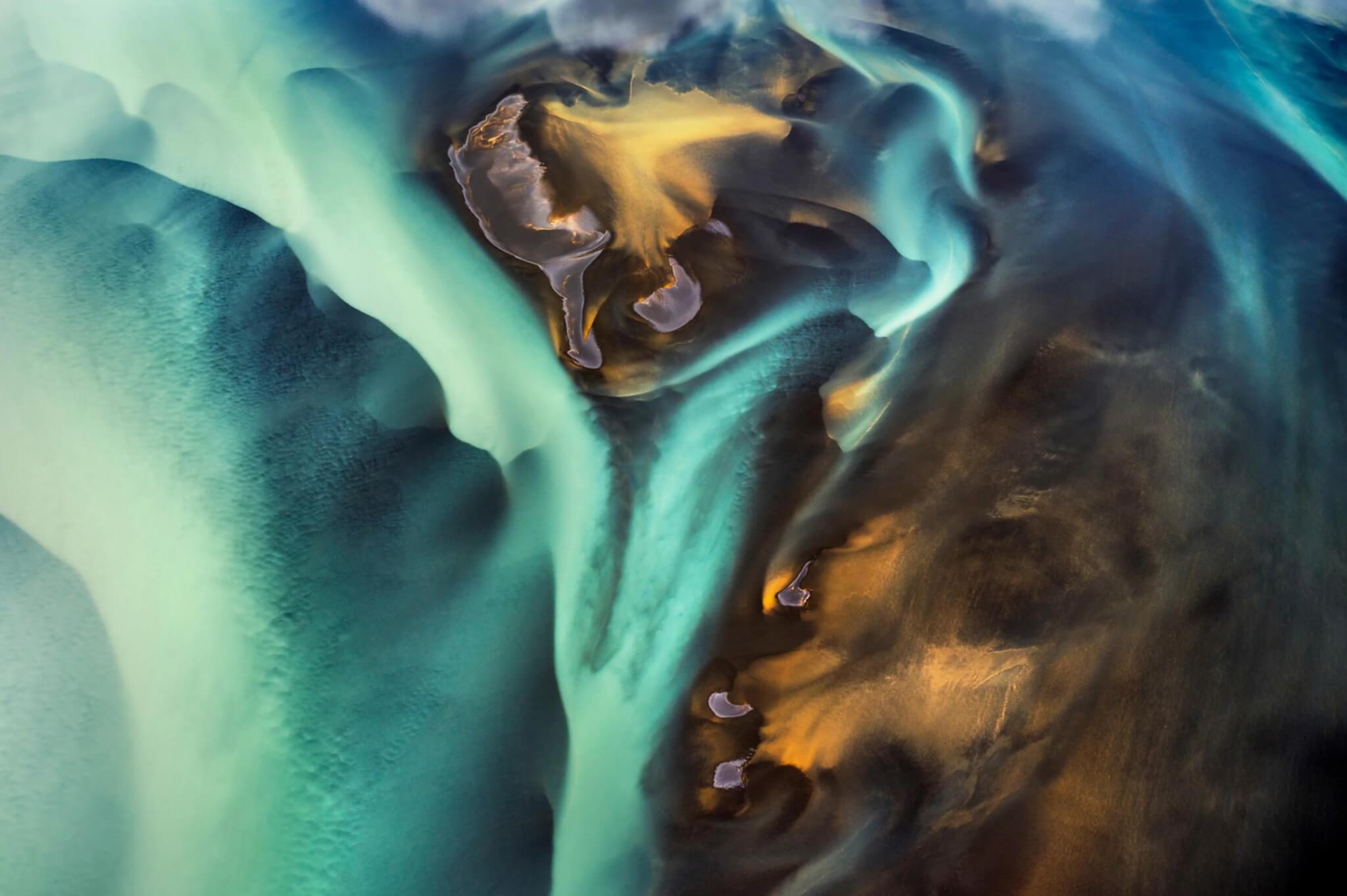
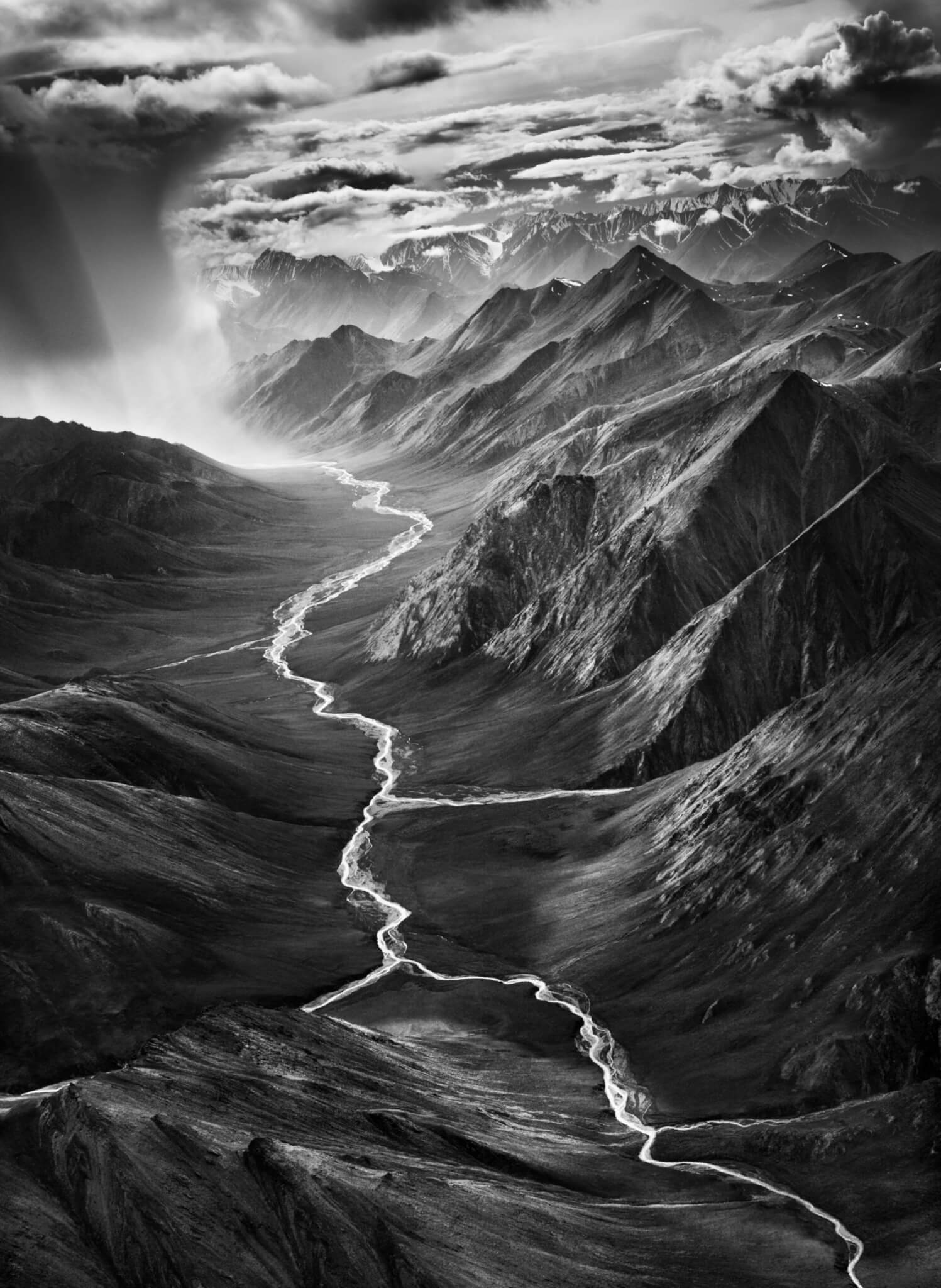
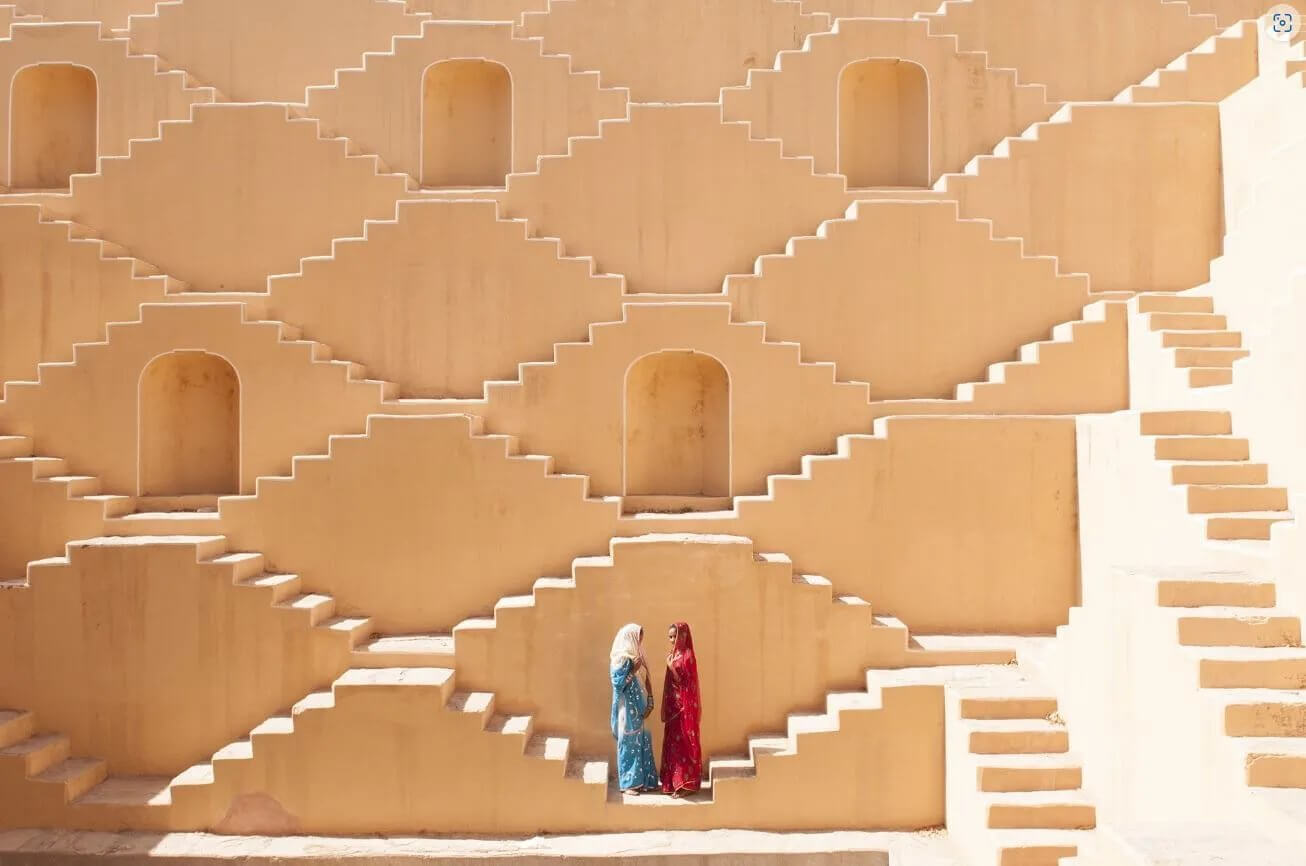
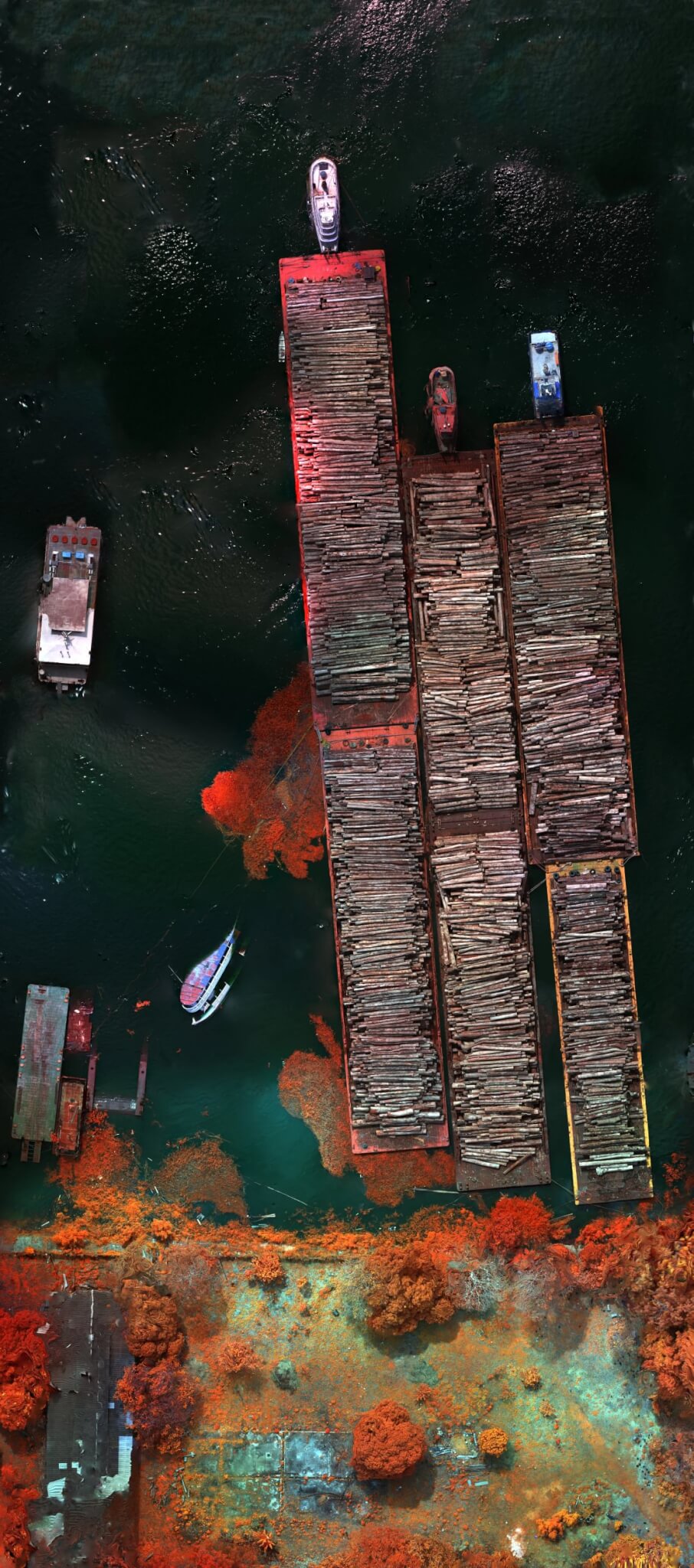
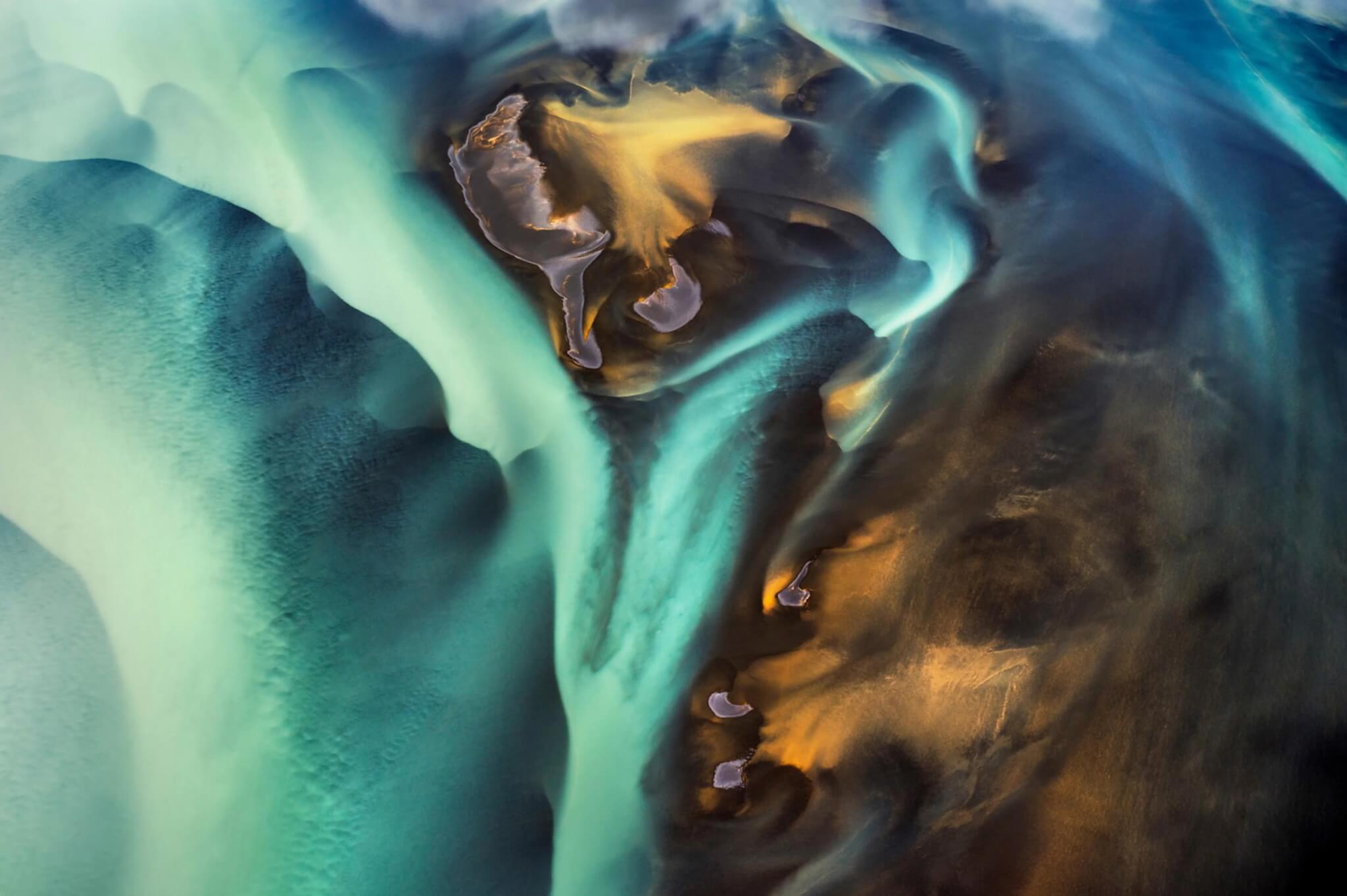
The Climate zone hands the story to some of the world’s leading environmental photographers and artists. Sebastião Salgado’s vast black-and-white landscapes sit alongside aerial work by Daniel Beltrá, infrared images by Richard Mosse, and photography from Cristina Mittermeier, Ami Vitale, Paul Nicklen, Michael Kenna and Beverly Joubert. The Swedish duo Bigert & Bergström add an artist’s reading of a warming world.
Your daily dose of Cornwall
News, events and goings on across the Duchy
Stories from the frontline
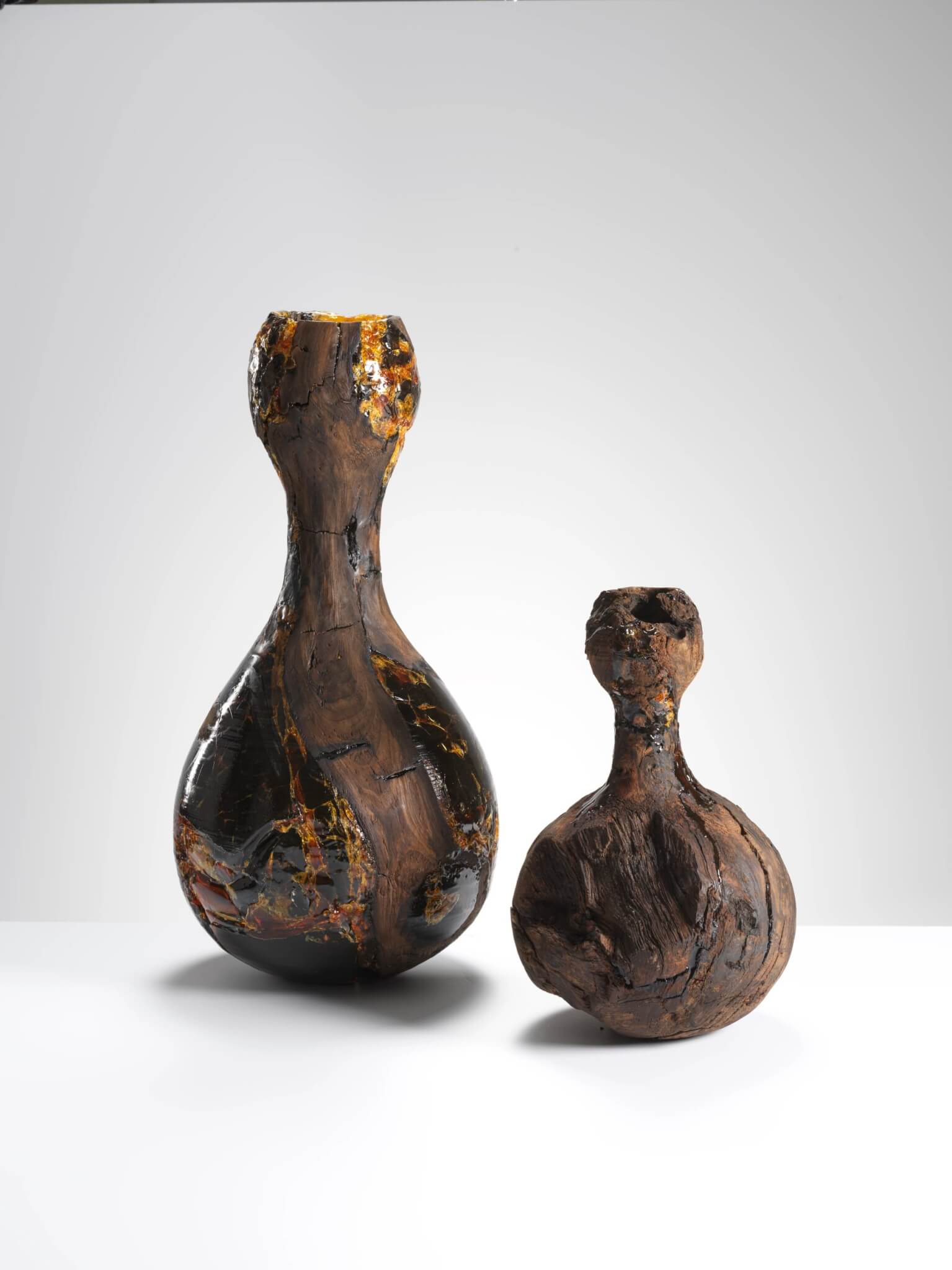
Community shifts the focus from the global to the personal. Here, artists and communities living with the sharp end of a changing climate share what that looks like from Mongolia, Malaysia, Sudan, Iran, Papua New Guinea, Zimbabwe and beyond. The zone features work by Rashid Diab, Jantsankhorol Erdenebayar, Nasim Hantehzadeh, Shaq Koyok, Gazellah Bruder and Tichaona Ncube, threading together cultural heritage, resilience and the bond between people and the land they belong to.
Where the hope comes in
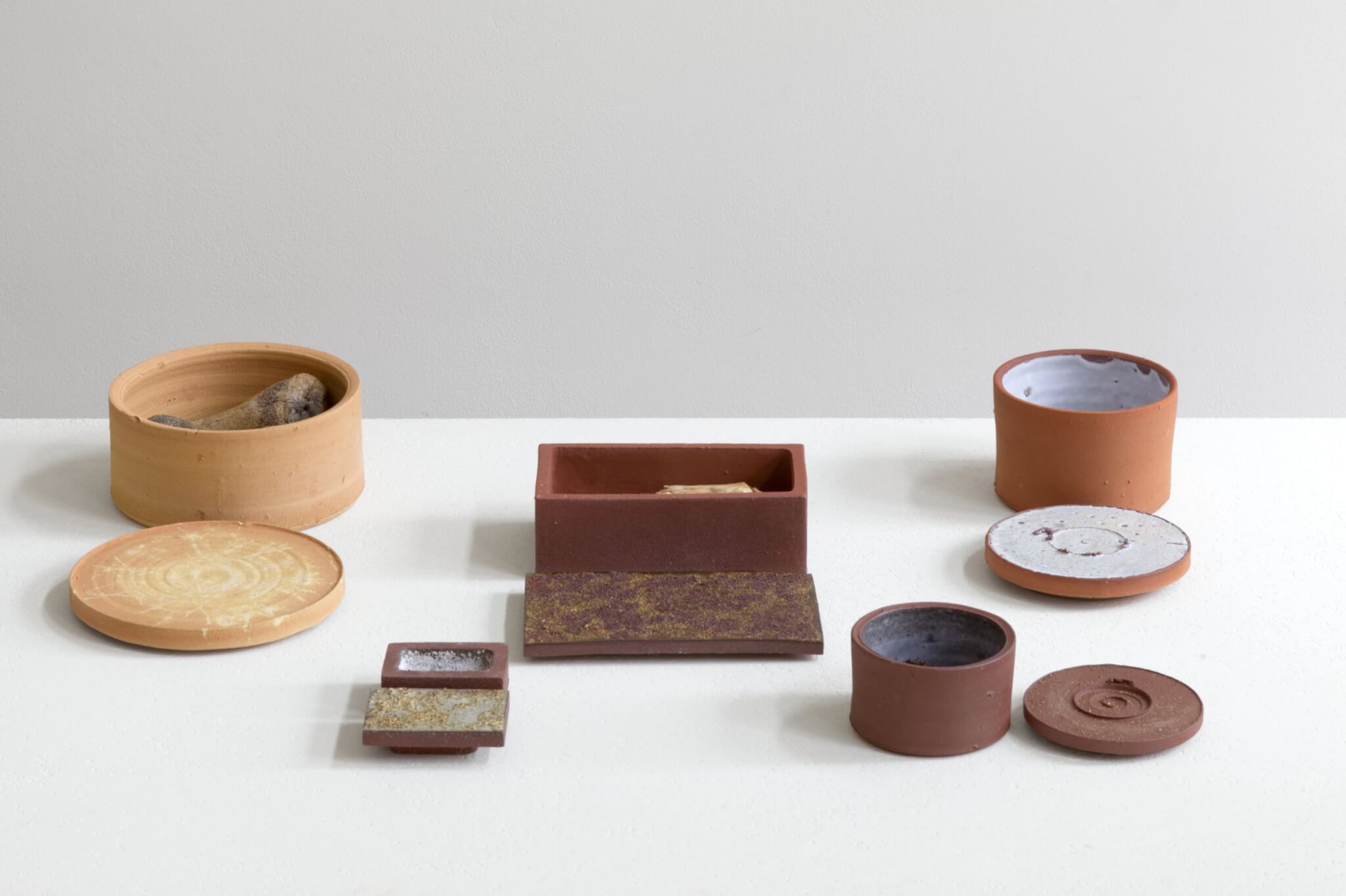
The final zone, Renewal, is the one the whole exhibition builds towards. It gathers stories of communities replanting forests, bringing species back and finding new ways to live alongside nature, told through paintings and video by Sophie Green, Gary Hodges, Emma Swift, Karen Laurence-Rowe, Emily Lamb, Anne London and Luke Western. It closes with a spoken-word film voiced by Sir Stephen Fry, and a reminder that the future of the living planet is still ours to shape.
A show 25 years in the making
Misha Curson, senior curator at the Eden Project, said the exhibition leans on art as a way of picturing something better. “This exhibition brings together artists whose work reminds us that creativity is one of the most powerful tools for imagining a different future,” she said. “At a moment when the scale of the planetary emergency can feel overwhelming, this exhibition asks visitors to look closely, reflect and find hope in renewal, because how we imagine the future shapes how we choose to build it.”
The show arrives in the Eden Project’s 25th-anniversary year. “This exhibition reflects the values that have guided Eden from the beginning,” Misha added, “reconnecting people with nature and inspiring positive action for the planet.” Since opening in 2001, the Cornwall site has generated £6.8 billion in total economic impact for the South West, with all proceeds going towards the charity’s work across the UK and around the world.
Your daily dose of Cornwall
News, events and goings on across the Duchy
How to visit Extinction: Renewal
Extinction: Renewal, Art of a Living Planet opens at the Eden Project, Bodelva, near St Austell on 18 September 2026 and runs through to 3 January 2027. Opening hours change across the run, starting at 10am to 5pm for the first ten days, dropping to 10am to 4pm from 28 September to 16 October, returning to 10am to 5pm from 17 October to 1 November, then Christmas hours that may vary into the new year.
Tickets can be booked through the Eden Project, with a dedicated exhibition page due to go live on the Eden Project website closer to opening.

Read Next
- FalmouthBoat after boat, wake after wake, spread out across the Carrick Roads.
Share This Story, Choose Your Platform!
To keep up with the latest cornish news follow us below
Follow CornishStuff on Facebook - Like our Facebook page to get the latest news in your feed and join in the discussions in the comments. Click here to give us a like!
Follow us on Twitter - For the latest breaking news in Cornwall and the latest stories, click here to follow CornishStuff on X.
Follow us on Instagram - We also put the latest news in our Instagram Stories. Click here to follow CornishStuff on Instagram.
- 1
- 2
- 3
- 4
- 5
- 6