Happy Feet: NHS Cornwall’s diabetes foot advice as amputations fall
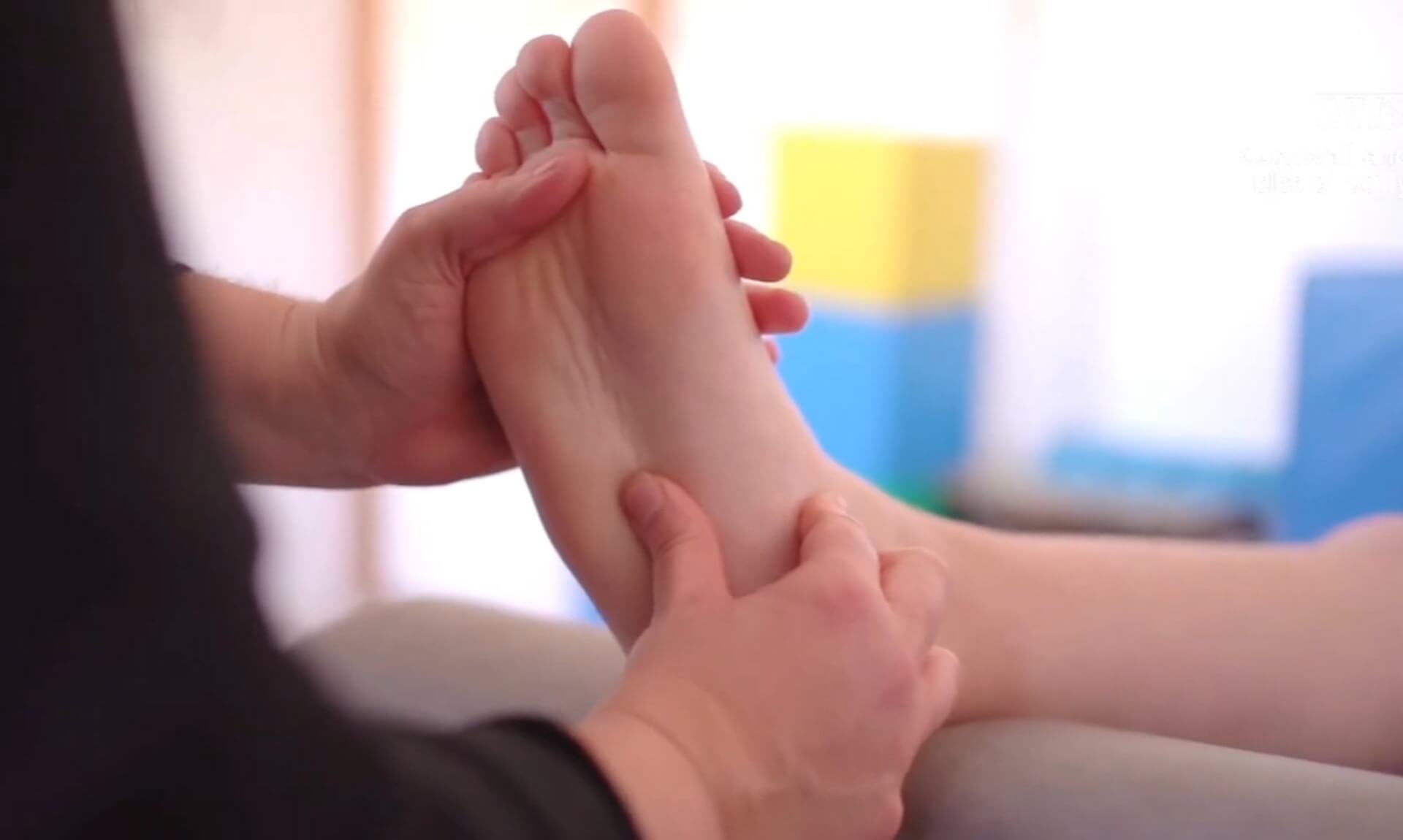
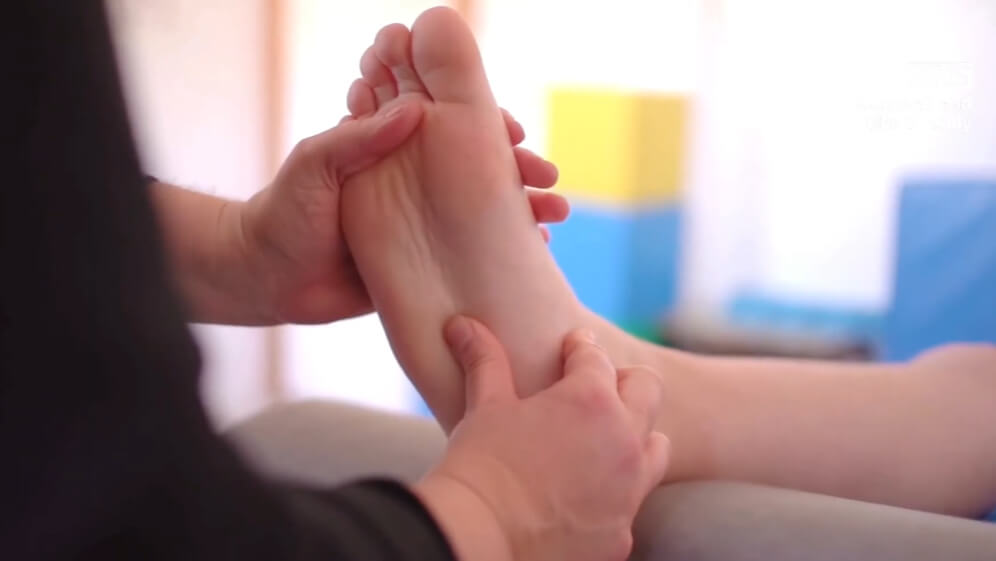
A cut you cannot feel. A blister you never noticed. For someone living with diabetes, small things like these can turn serious quickly, and a new film wants to make sure they do not. It is called Happy Feet, and the message behind it is a reassuringly simple one. A few minutes of care each day can protect your feet, your health and your independence.
The film, Happy Feet: Small Steps Make a Big Difference, has been launched by NHS Cornwall and Isles of Scilly alongside Cornwall Partnership NHS Foundation Trust podiatry services and members of the Long-Term Conditions Expert Reference Group. It was co-produced with people who live with long-term conditions every day, so the advice is practical rather than clinical. You can hear directly from two of the people involved further down this page.
Your daily dose of Cornwall
News, events and goings on across the Duchy
Why feet need extra care with diabetes
Diabetes can affect circulation and reduce sensation in the feet. That combination makes injuries harder to notice and slows the body’s ability to heal, so a minor cut, blister or infection can develop into something much more serious before anyone realises. Diabetes remains one of the leading causes of lower limb amputation, and many of those amputations can be prevented through good self-care and getting help early.
Three habits for every day
The film keeps things deliberately uncomplicated. It asks people with diabetes to build three small foot care habits into their daily routine:
- Wash and dry your feet thoroughly every day, paying particular attention to the skin between the toes.
- Moisturise dry skin to help prevent cracks, while avoiding the areas between the toes.
- Wear well-fitting shoes and socks that protect and accommodate the shape of your feet.
Alongside those habits, viewers are encouraged to give their feet a quick daily check, looking for cuts, blisters, redness, swelling, hard skin, cracks or any change in colour or shape. The film also speaks to carers and family members who support someone with diabetes, helping them spot the warning signs and understand when to seek advice.
Paul Sweet is a member of the long-term conditions group and has previously had four toes amputated. He knows how much difference early action makes.
“It’s really important to look after your feet. If you’ve got any problems make sure you speak to your podiatrist as soon as you’ve got those problems, because the sooner they know, the sooner they can be treated.”
The numbers are moving in the right direction
There is encouraging news behind the campaign. The number of people living with diabetes in Cornwall has climbed over the past decade, yet the number of diabetes-related amputations has fallen over the same period.
| Year | Diabetic population in Cornwall | Major amputations | Minor amputations |
|---|---|---|---|
| 2015/6 | 26,154 | 28 | 106 |
| 2016/7 | 26,720 | 42 | 100 |
| 2025/6 | 37,589 | 22 | 82 |
More than 37,000 people in Cornwall now live with diabetes, roughly 11,000 more than a decade ago, and yet both major and minor amputations have come down. It is the kind of trend that good self-care and early treatment are designed to produce.
Your daily dose of Cornwall
News, events and goings on across the Duchy
Do not ignore a change in your feet
Healthcare professionals are urging people not to wait. Anyone who notices a cut or blister that is not healing, redness, swelling, heat, broken skin, discharge, new pain, or a change in the colour of their feet should get help promptly. That can mean contacting a GP, diabetes nurse, podiatry team, a local minor injury unit or NHS 111. More foot care guidance is on the NHS website.
Chris Reid, chief medical officer for NHS Cornwall and Isles of Scilly, said the basics carry a lot of weight.
“Looking after your feet is one of the simplest and most effective ways people with diabetes can protect their health and independence. By checking your feet every day and getting help early if something doesn’t look right, many serious complications can be prevented. This film provides practical advice that can easily become part of a daily routine.”
Neil Smith, podiatry professional lead at Cornwall Partnership NHS Foundation Trust, said the aim is to help people feel confident about asking for help.
“We know that early intervention is key. Small problems can become serious very quickly if they go unnoticed, particularly for people with diabetes. We hope this video empowers people to recognise the signs to look out for and feel confident about seeking help when they need it.”
The Happy Feet video forms part of wider NHS support across Cornwall and the Isles of Scilly that helps people with long-term conditions stay healthy, active and independent. For Paul, who has already lost four toes, the point is a plain one. Tell your podiatrist early, because the sooner they know, the sooner it can be treated.
Read Next
- FalmouthBoat after boat, wake after wake, spread out across the Carrick Roads.
Share This Story, Choose Your Platform!
To keep up with the latest cornish news follow us below
Follow CornishStuff on Facebook - Like our Facebook page to get the latest news in your feed and join in the discussions in the comments. Click here to give us a like!
Follow us on Twitter - For the latest breaking news in Cornwall and the latest stories, click here to follow CornishStuff on X.
Follow us on Instagram - We also put the latest news in our Instagram Stories. Click here to follow CornishStuff on Instagram.
- 1
- 2
- 3
- 4
- 5
- 6