Fly-Tipping Rises Across South West, New Defra Figures Show
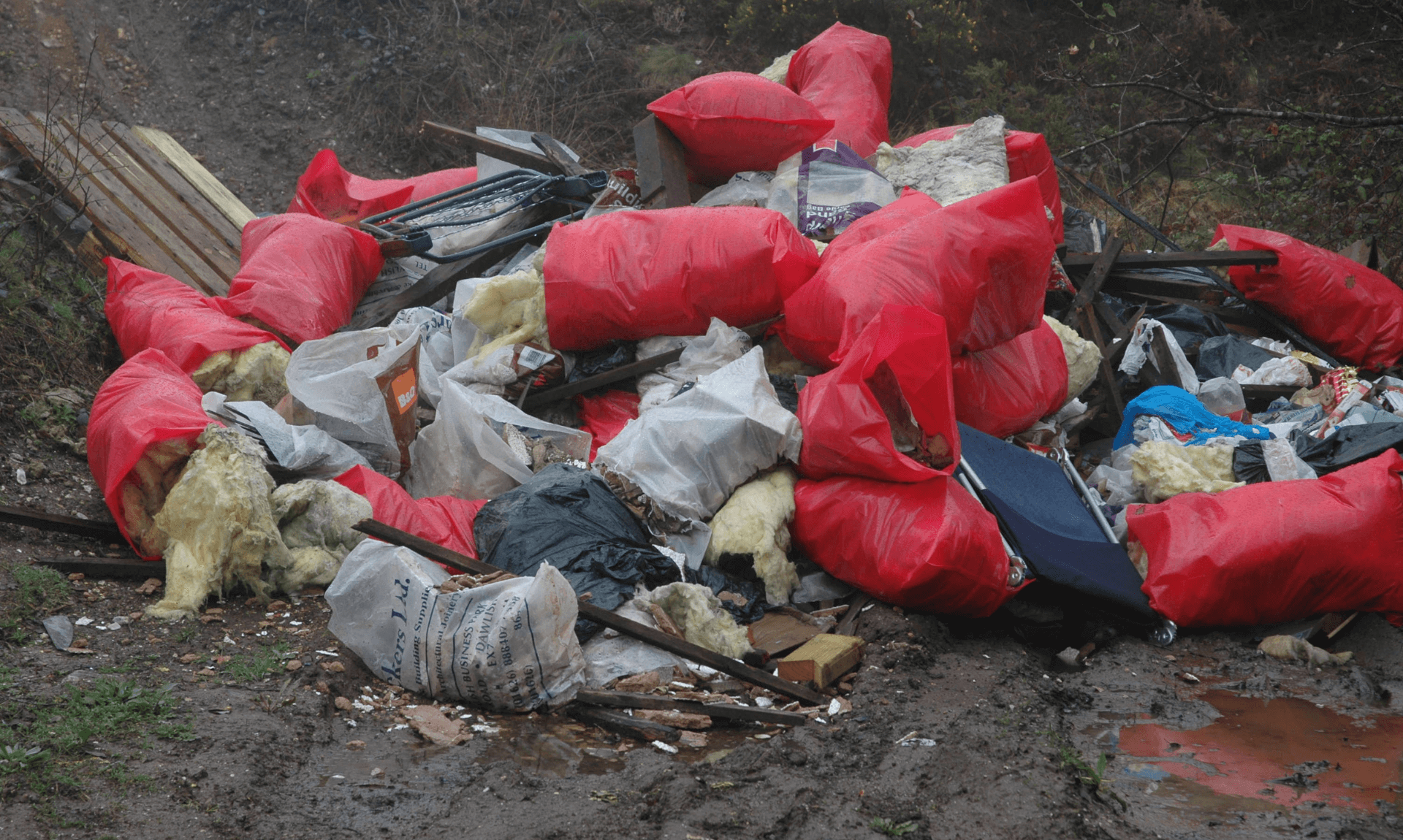
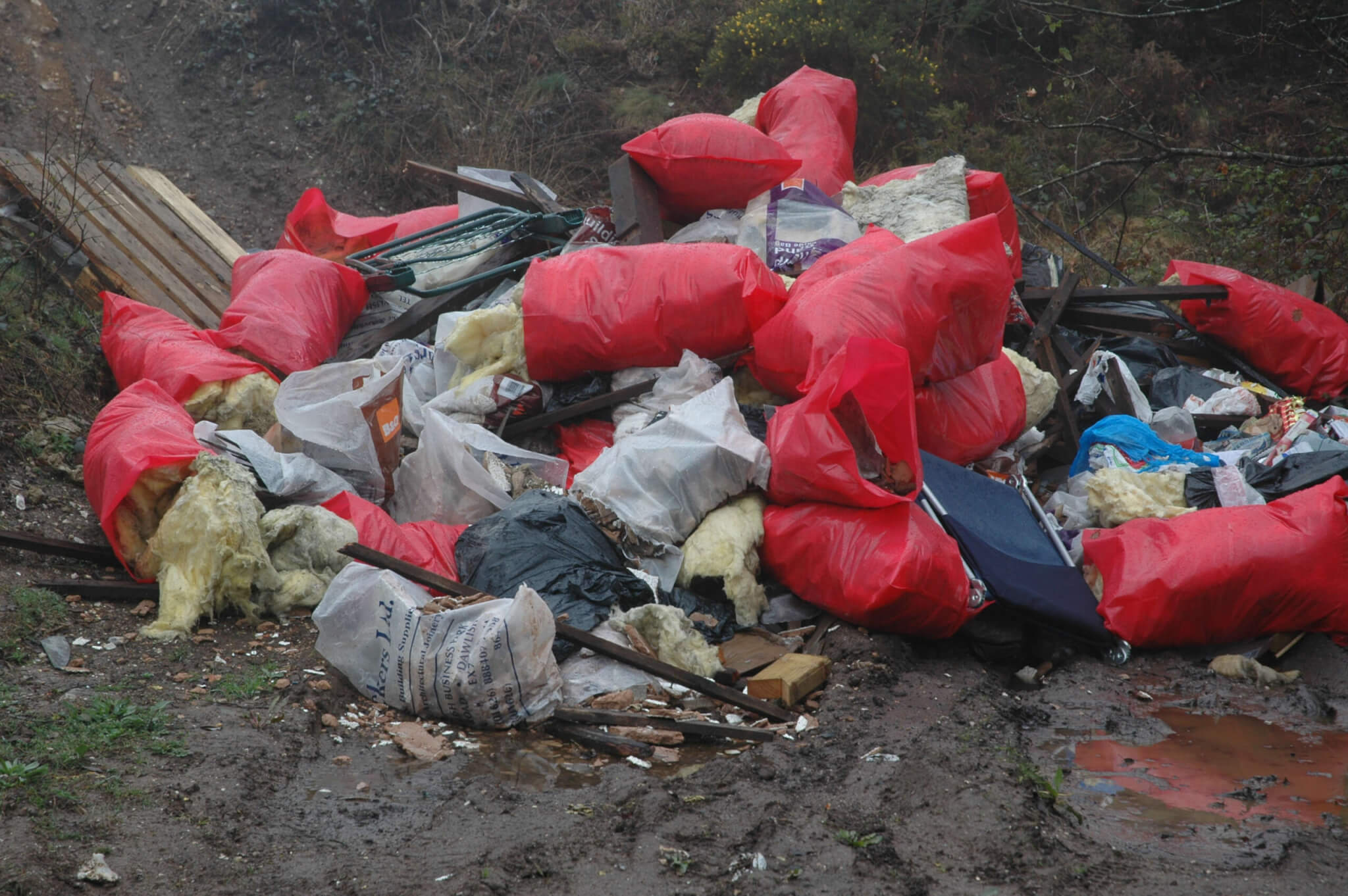
Farmers across the South West say they are under growing pressure as new figures show fly-tipping in England has reached record levels.
Latest statistics released today by the Department for Environment Food & Rural Affairs (Defra) reveal that councils dealt with 1.26 million fly-tipping incidents in 2024–2025, a 9% increase on the previous year.
In the South West alone, there were 55,349 reported incidents, an increase of 8.1%. The figures for every local authority area in England can be found on the government website.
Your daily dose of Cornwall
News, events and goings on across the Duchy
Cornwall Sees Sharp Rise
Among rural areas experiencing a rise in reported incidents are:
-
Cornwall, up 26.7%
-
East Devon, up 20.7%
-
North Somerset, up 13.7%
-
Tewksbury, up 9.4%
-
Torridge, up 22.7%
-
Wiltshire, up 7.7%
However, the official data only includes waste illegally dumped on public land that has been reported to councils. Many incidents occur on privately owned land and are not included in the statistics.
The Country Land and Business Association (CLA), which represents farmers and landowners, says thousands of offences go unrecorded each year because they happen on private property.
“The Countryside Is Not a Dumping Ground”
Ann Maidment, Country Land and Business Association Regional Director for the South West, said:
“Flytipping is placing an unbearable burden on farmers and landowners across the south west. With more than 55,000 incidents recorded in just one year, and many more going unreported, this is not a minor nuisance – it is a serious rural crime often driven by organised criminal networks. Clearing up waste illegally dumped can cost private landowners thousands and thousands of pounds. The threat of action from local authorities if they don’t clear the waste away only deepens the injustice. Landowners aren’t just faced with the financial strain of removing waste they did not create but they are left to deal with the environmental damage too.
“We urgently need stronger enforcement, better resources for local authorities, and meaningful support for victims. The Government’s recent steps are welcome, but far more must be done. Rural communities deserve a system that punishes offenders, not one that makes victims pay the price. Our message is clear; rural communities have had all they can take. The countryside is not a dumping ground.”
Country Land and Business Association President Gavin Lane added:
“Farmers and land managers have had enough. The countryside is increasingly being targeted by organised crime gangs – often violent – who know that rural areas are under-policed and resourced.
“It’s not just litter blotting the landscape, but tonnes of household and commercial waste which can often be hazardous – even including asbestos and chemicals – endangering wildlife, livestock, crops and the environment. Farmers are victims yet have to pay clean-up costs themselves.
“We need to see penalties being enforced that better reflect the severity of the crime, and the seizure of vehicles must be the default penalty to send a clear signal that criminals will face real consequences if they are caught fly-tipping.”
Calls for National Action
Through its ‘Five Point Fly-Tipping Plan’, the CLA is calling for:
-
The appointment of a national fly-tipping commissioner to co-ordinate agencies, monitor incidents on private land and benchmark enforcement performance.
-
The enforcement of fines for businesses and homeowners whose waste is found dumped.
-
More support for victims via a new permit scheme allowing farmers who did not cause or knowingly permit the fly-tipping to dispose of it at a waste disposal site free of charge.
A CLA survey found almost three quarters of farmers who responded are affected each year, with some targeted multiple times each month. Each incident costs on average £1,000 to clear up, with 85% saying they have invested in measures such as CCTV, lighting and other security.
Your daily dose of Cornwall
News, events and goings on across the Duchy
Landowners Speak Out
Ralph Rayner, who owns land in Devon, said he experiences at least one incident of fly-tipping every month, ranging from household, garden and builders’ waste to white goods.
“Illegal dumping has worsened dramatically following tighter recycling rules, which have effectively shifted the burden onto private landowners. No one accepts injustice lightly, yet entirely innocent victims are now routinely held responsible for the actions of criminals. Many landowners will recognise the indignity of receiving a threatening letter from their local authority warning them of prosecution for ‘unlicensed waste storage’, when in fact they are the victims of illegal dumping on their own land. Unfortunately, the law and its enforcement remain poorly aligned. At the very least, landowners should be permitted to load dumped waste into a trailer and take it to recycling centres free of charge. Instead, this proposal is dismissed on the grounds that it might encourage farmers and landowners to dispose of their own waste there. Until government makes a genuine effort to work with landowners and develop practical solutions, fly-tipping will only continue to increase.”
A spokesperson for Colesbourne Estate in Gloucestershire said the estate has experienced regular fly-tipping for several years, with a particular increase in recent months.
“Since November we have had three lorry loads of cannabis waste – mostly soil and roots – as well as household waste tipped on our land. This isn’t just small amounts – it’s been 75 bags each time.
“We’ve also had three lots of old motor tyres discarded, which were taken into the far end of the fields. Again, this was between 50 and 60 tyres dumped on each occasion. There’s also been a lot of building waste, particularly plaster board, which gets dumped because skip hire companies will no longer take this, and a large amount of damaged plastic car body work.
“It costs a lot of money for us to clear it up each time. The problem is aggravated because you need an appointment to go to the local authority recycling centres and they are closed for longer periods during the winter months. The long, dry period last summer made it easier for lorries to get on the field. We aren’t always able to put barriers in gateways where access is frequently needed to stop people from gaining getting on the fields.”
The CLA says rural communities are being left to deal with the financial and environmental consequences of a problem they did not create, and is urging stronger enforcement and better support for victims.
Read Next
- Cornwall AirportThere is now somewhere to go at Newquay's airport that isn't the departure gate.
Share This Story, Choose Your Platform!
To keep up with the latest cornish news follow us below
Follow CornishStuff on Facebook - Like our Facebook page to get the latest news in your feed and join in the discussions in the comments. Click here to give us a like!
Follow us on Twitter - For the latest breaking news in Cornwall and the latest stories, click here to follow CornishStuff on X.
Follow us on Instagram - We also put the latest news in our Instagram Stories. Click here to follow CornishStuff on Instagram.
- 1
- 2
- 3
- 4
- 5
- 6