Experts Outline Recommended Daily Caffeine Limits
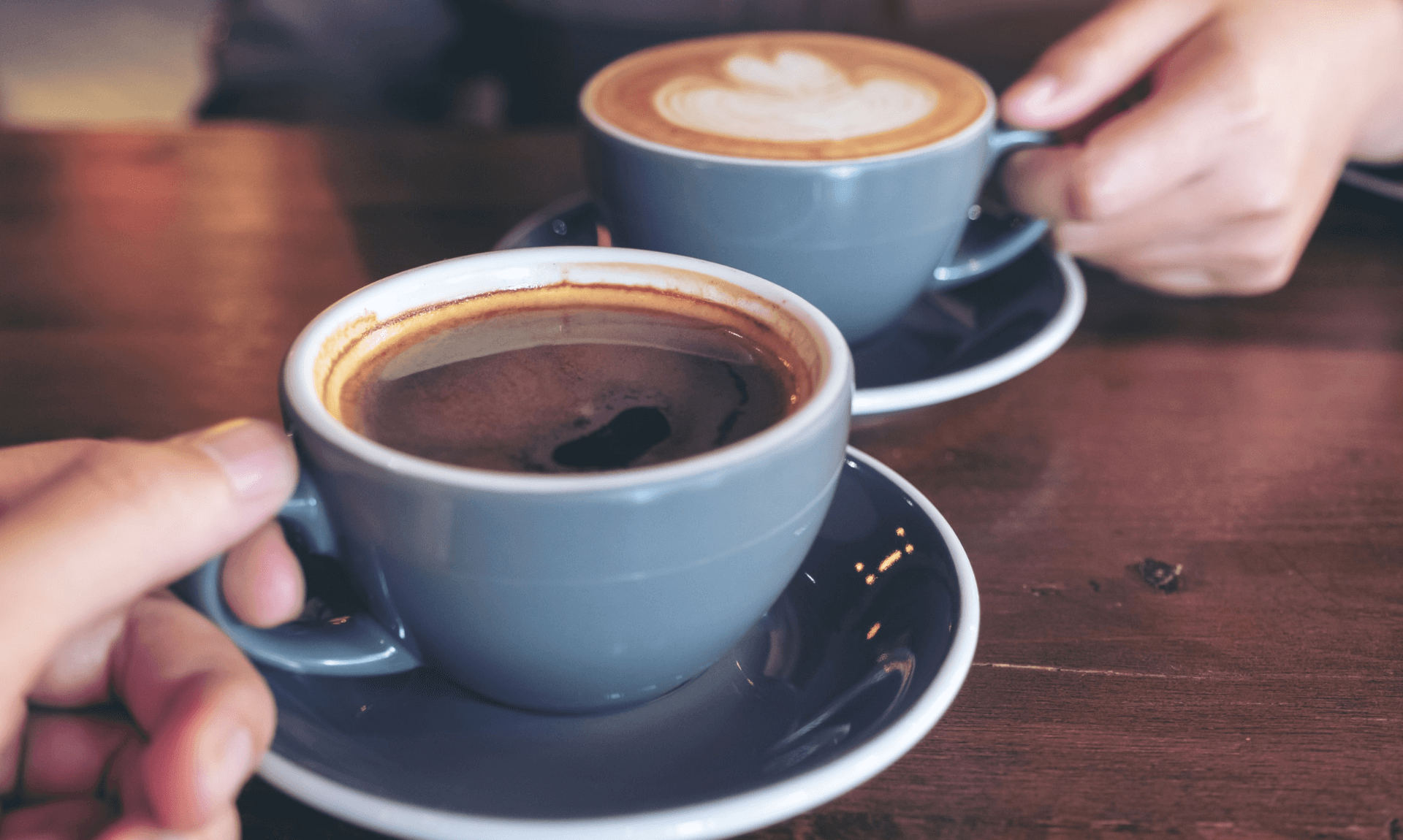
Most of us drink caffeine every day, often without giving it much thought. A double espresso to start the morning, tea mid morning, an energy drink at lunch and perhaps a fizzy cola in the evening. Throw in a chocolate bar and it soon adds up.
Food safety training experts at High Speed Training are now urging people to take a closer look at how much caffeine they are actually consuming.
Your daily dose of Cornwall
News, events and goings on across the Duchy
Is caffeine dangerous?
Dr Richard Anderson, Director of Learning at High Speed Training, said caffeine is a stimulant that affects the body in several ways.
“Caffeine is a chemical substance that acts as a stimulant in the body, meaning it can increase your heart rate, give you more energy or help you feel more awake. Caffeine is either naturally occurring, found in many plants, or it can be synthetic, intentionally added to drinks, foods and supplements to give consumers the desired effects.
“Whilst caffeine can be considered a ‘drug’, in small doses, caffeine is not harmful. Most people can consume up to 400mg of caffeine a day without it causing any health problems – this is equivalent to about four cups of coffee, five cups of tea or four 250ml cans of energy drinks per day.”
However, regularly consuming more than 400mg per day can be harmful, particularly for those who are more sensitive to caffeine or who are pregnant. High intake over time can also lead to addiction.
Too much caffeine can cause headaches and dizziness, a fast heartbeat, restlessness or shakiness, dehydration, insomnia and disturbed sleep, as well as increased anxiety or stress.
For pregnant people, the NHS recommends consuming no more than 200mg of caffeine per day, as exceeding this amount regularly can increase the risk of pregnancy complications.
Dr Richard added: “Caffeine is one of the most widely consumed substances in the world, and is enjoyed by billions of people as part of their daily routine. Caffeine itself is not harmful, but it is really important to keep an eye on how much you are consuming, especially if you are finding it hard to sleep or experiencing heightened anxiety or stress.”
How long does caffeine last?
According to Dr Richard, caffeine does not hit the bloodstream immediately.
“Once you’ve eaten or drunk something containing caffeine, it takes a little while to feel the effects, as the caffeine doesn’t cause a spike in your bloodstream until around an hour later. The effects of caffeine can last for up to six hours, however, as it takes a lot longer for the caffeine to leave your system than it does to enter it.
“For this reason, many people choose to set themselves a caffeine cut off time, such as 4pm, so that the caffeine does not affect their sleep quality.”
Caffeine can also act as a diuretic, causing increased urination as the body tries to get rid of excess water and salt. It may raise blood pressure and stimulate the central nervous system, leading to greater alertness and energy.
If caffeine is suddenly removed from a diet where it is usually consumed, withdrawal symptoms can include headaches, nausea, lack of concentration and irritability.
Natural and synthetic caffeine
Natural caffeine is found in tea leaves, coffee beans, cacao pods, kola nuts and guarana seeds. Tea, coffee and chocolate are therefore naturally caffeinated products. Ingredients such as guarana extract are also added to some foods and drinks, including energy drinks.
Synthetic caffeine is created in a laboratory and added to drinks and supplements to provide energy boosting effects. Its chemical makeup is largely the same as natural caffeine and it produces the same results, making it a quicker and cheaper option for manufacturers.
Common sources of caffeine include:
-
Coffee and tea, although some herbal teas do not contain caffeine
-
Chocolate and chocolate products
-
Fizzy drinks, energy drinks and sports drinks
-
Alcopops and pre mixed cocktails
-
Energy boosting snacks
-
Some vitamins and supplements
-
Over the counter medicines such as pain relievers and cold medicines
-
‘Caffeine powered’ vapes
High Speed Training has published further guidance on caffeine and recommended intakes on its website.
For more information visit High Speed Training.
Read Next
Share This Story, Choose Your Platform!
To keep up with the latest cornish news follow us below
Follow CornishStuff on Facebook - Like our Facebook page to get the latest news in your feed and join in the discussions in the comments. Click here to give us a like!
Follow us on Twitter - For the latest breaking news in Cornwall and the latest stories, click here to follow CornishStuff on X.
Follow us on Instagram - We also put the latest news in our Instagram Stories. Click here to follow CornishStuff on Instagram.
- 1
- 2
- 3
- 4
- 5
- 6