Experts Share Tips to Reduce Food Waste During Food Waste Action Week
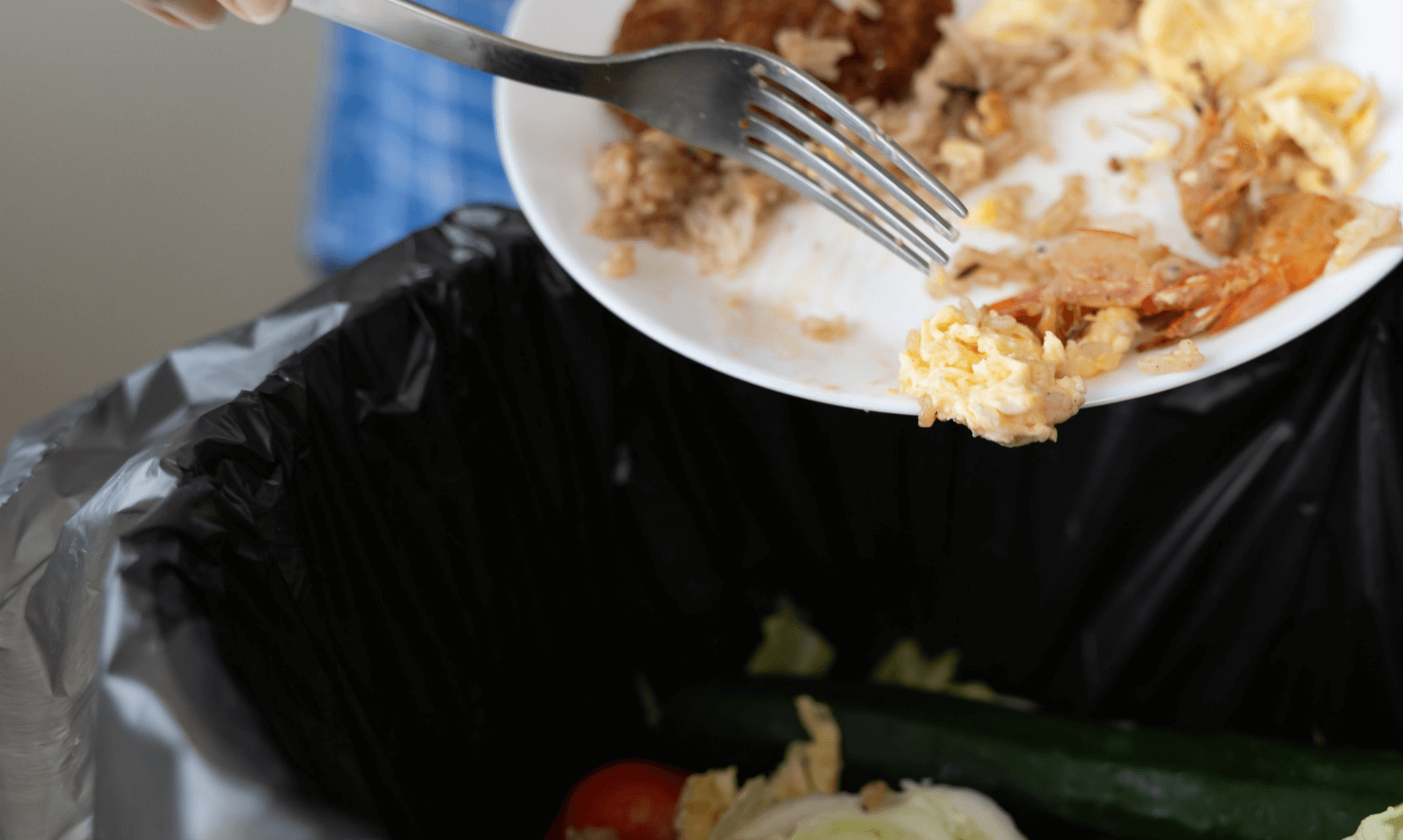
Food Waste Action Week runs from 9th to 15th March, highlighting the scale of food waste across the UK and encouraging households to take simple steps to cut down what they throw away.
Food waste can have a significant environmental impact. Wasted food means wasted resources, contributes to greenhouse gas emissions and can lead to land degradation.
According to Love Food Hate Waste, UK households throw away 4.4 million tonnes of edible food each year. That waste is worth £17.5 billion and generates 16 million tonnes of greenhouse gas emissions.
To mark the awareness week, food hygiene experts at High Speed Training have shared advice aimed at helping households reduce food waste with small changes at home.
Dr Richard Anderson, Director of Learning at High Speed Training, said:
“It can be hard to quantify 9.5 million tonnes of annual food waste and this often leads people to think that their own food wasting habits aren’t contributing to the larger problem. However, wasting food is often easier than you may think and households in the UK throw away, on average, 1.96kg of food per day, roughly equivalent to eight meals per week.”
Your daily dose of Cornwall
News, events and goings on across the Duchy
What food is being wasted?
Food waste in homes often takes several forms.
These include plate waste, where leftover food cannot be saved or is unwanted, and expired or spoiled food, often caused by poor storage or handling.
There is also waste from vegetable peels, fruit skins and fat trimmings that are not composted or reused in recipes. Some food is discarded simply because it does not look appealing, sometimes referred to as ‘wonky’ produce.
Leftovers are another common issue. Improper storage or a lack of ideas for using them can lead to food being thrown away.
The foods most often wasted in the UK include bread, potatoes, milk, bananas, salad and vegetables.
Richard Anderson said confusion around date labels also plays a role.
“One reason for this can be due to date labels and confusion around shelf life. A misinterpretation of ‘best before’ can lead people to discard food that is still safe to eat as they gauge these date labels as indicators of food safety, rather than quality. Consumers can also be quick to throw away, or simply not buy, perfectly edible fruit and vegetables simply because it does not meet cosmetic standards.”
Ten tips to cut food waste at home
High Speed Training has shared ten practical tips to help households reduce food waste.
Plan ahead
Planning meals or preparing food in advance can help households avoid buying more than they need.
Make your freezer your friend
Freezing leftovers can preserve freshness and create quick meals for later. Trimmings and peelings can also be frozen for soups or smoothies.
Compost
Composting food waste keeps it out of landfill and creates compost that can benefit gardens.
Preserve your food
Methods such as freezing, canning, sugaring, salting and vacuum packing can help maintain food quality and extend shelf life.
Organise your kitchen
Simple habits like checking what food you already have before shopping or rotating older items to the front can help prevent waste.
Buy loose
Buying fruit and vegetables loose allows shoppers to purchase only what they need. Love Food Hate Waste estimates that selling apples, bananas and potatoes loose instead of in bags could save 60,000 tonnes of food waste each year.
Donate surplus food
Giving away excess food helps ensure it is used rather than ending up in landfill.
Give it a sniff
Foods with a ‘best before’ date can often still be eaten after that date if they smell and look fine, as the label relates to quality rather than safety.
Love your leftovers
Leftover food can often be turned into quick and simple meals with a bit of creativity.
Embrace ‘wonky’ produce
Fruit and vegetables with cosmetic imperfections are often cheaper and just as good to eat.
More guidance and tips are available on the High Speed Training website and the High Speed Training Hub.

Read Next
- St Columb MajorIf you drove past the primary school in St Columb Major on Monday morning, there is a chance someone was checking your speed.
Share This Story, Choose Your Platform!
To keep up with the latest cornish news follow us below
Follow CornishStuff on Facebook - Like our Facebook page to get the latest news in your feed and join in the discussions in the comments. Click here to give us a like!
Follow us on Twitter - For the latest breaking news in Cornwall and the latest stories, click here to follow CornishStuff on X.
Follow us on Instagram - We also put the latest news in our Instagram Stories. Click here to follow CornishStuff on Instagram.
- 1
- 2
- 3
- 4
- 5
- 6