New Guidance Issued on Feeding Garden Birds Safely

New guidance from The Wildlife Trusts is urging people to rethink how they feed birds in their gardens, with updated advice aimed at reducing the spread of disease during the warmer months.
The guidance follows the latest scientific research from the RSPB, highlighting how small changes in feeding habits can make a big difference to bird health.
Your daily dose of Cornwall
News, events and goings on across the Duchy
Key Changes From 1st May
From 1st May to 31st October, people are being advised to pause feeding seeds and peanuts. During this period, there is a higher risk of disease spreading among birds, and natural food sources are more widely available.
Instead, only small amounts of mealworms, fat balls or suet should be offered.
The advice also recommends:
- Cleaning bird feeders weekly
- Changing water daily
- Moving feeders regularly to prevent build-up of waste
- Avoiding the use of flat bird tables
Research shows that flat surfaces increase the risk of disease spreading, making hanging feeders the safer option.
Creating a Wildlife-Friendly Garden
The guidance highlights that the best way to support birds year-round is by creating a garden that provides natural food and shelter.
Simple steps include:
- Planting native trees
- Choosing hedging plants such as hawthorn, hornbeam, blackthorn, ivy and bramble
- Leaving seed heads over winter for birds like goldfinches
- Encouraging insects by adding features like ponds, log piles or longer grass
These natural food sources can help birds thrive without relying heavily on supplementary feeding.
Feeding Birds Safely
For those who do feed birds, keeping feeders clean and well-positioned is key.
Feeders should be placed in open areas away from predators, helping birds feel safe and encouraging regular visits. Feeding little and often is also recommended to prevent food from rotting.
Bird baths and water dishes should have their water changed daily and be cleaned weekly to reduce the risk of disease.
Your daily dose of Cornwall
News, events and goings on across the Duchy
Feeding Through the Seasons
The guidance sets out clear seasonal advice:
- From November to April, seeds and peanuts can be offered as birds benefit most during colder months
- From May to October, these should be paused due to increased disease risk and the availability of natural food
Mealworms, fat balls and suet can be offered all year, but only in moderation.
Types of Bird Food and Feeders
There are five main types of bird food highlighted:
- Straight seeds such as sunflower, nyjer, peanuts and millet
- Seed mixes to attract a wider range of species
- Husk-free mixes for less mess and easier feeding
- Suet, which provides vital energy, especially in winter
- Mealworms, particularly useful during breeding and fledgling seasons
Different feeders attract different species, including:
- Hanging seed feeders for tits, goldfinches and sparrows
- Nyjer feeders for goldfinches, siskins and redpolls
- Mesh peanut feeders for sparrows, starlings and tits
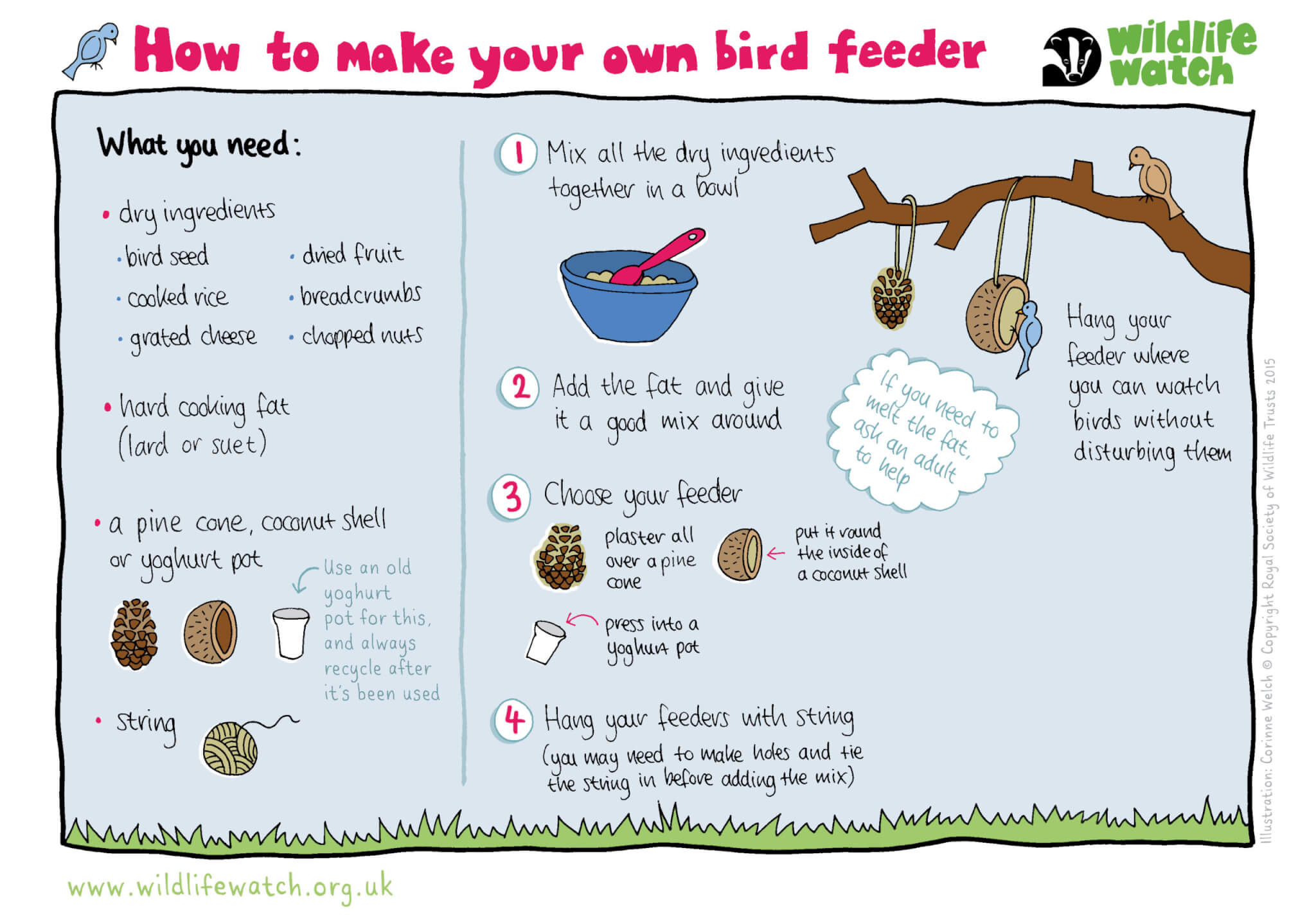
- Homemade options such as coconut halves or pinecones covered in suet
Homemade feeders should be discarded after a week to help prevent the spread of disease.
Top Tips to Help Garden Birds Thrive
The guidance also shares practical steps for keeping birds healthy:
- Clean feeders and water sources weekly
- Provide natural food through plants with berries, seeds and nuts
- Ensure fresh water is always available for drinking and bathing
- Keep feeding stations away from predators
- Only put out as much food as birds will eat
With disease risks higher during summer and autumn, these changes are being highlighted as an important way to protect garden birds while still enjoying wildlife at home.
Read Next
- Mental HealthFor two mountains, a team from Cornwall could barely see the path in front of them.
Share This Story, Choose Your Platform!
To keep up with the latest cornish news follow us below
Follow CornishStuff on Facebook - Like our Facebook page to get the latest news in your feed and join in the discussions in the comments. Click here to give us a like!
Follow us on Twitter - For the latest breaking news in Cornwall and the latest stories, click here to follow CornishStuff on X.
Follow us on Instagram - We also put the latest news in our Instagram Stories. Click here to follow CornishStuff on Instagram.
- 1
- 2
- 3
- 4
- 5
- 6