The Hidden Kitchen Mistakes That Could Be Making You Ill and Wasting Money
A food hygiene expert is urging households to take a closer look at how they store and handle food, warning that simple mistakes could lead to unnecessary waste and even foodborne illness.
The advice comes from High Speed Training, where the team has shared practical steps to help people reduce the risk of food spoilage at home.
Dr Richard Anderson, Learning Experience Director at High Speed Training, said: “Food spoilage refers to the process where food becomes unsuitable for consumption due to changes caused by microorganisms, enzymes or physical and chemical reactions. These changes can affect the safety, flavour, texture and overall quality of food.
“Spoiled food is no longer safe to eat and should always be discarded to avoid health risks.”
Your daily dose of Cornwall
News, events and goings on across the Duchy
Spotting the signs of spoilage
According to the experts, there are several clear indicators that food has gone off.
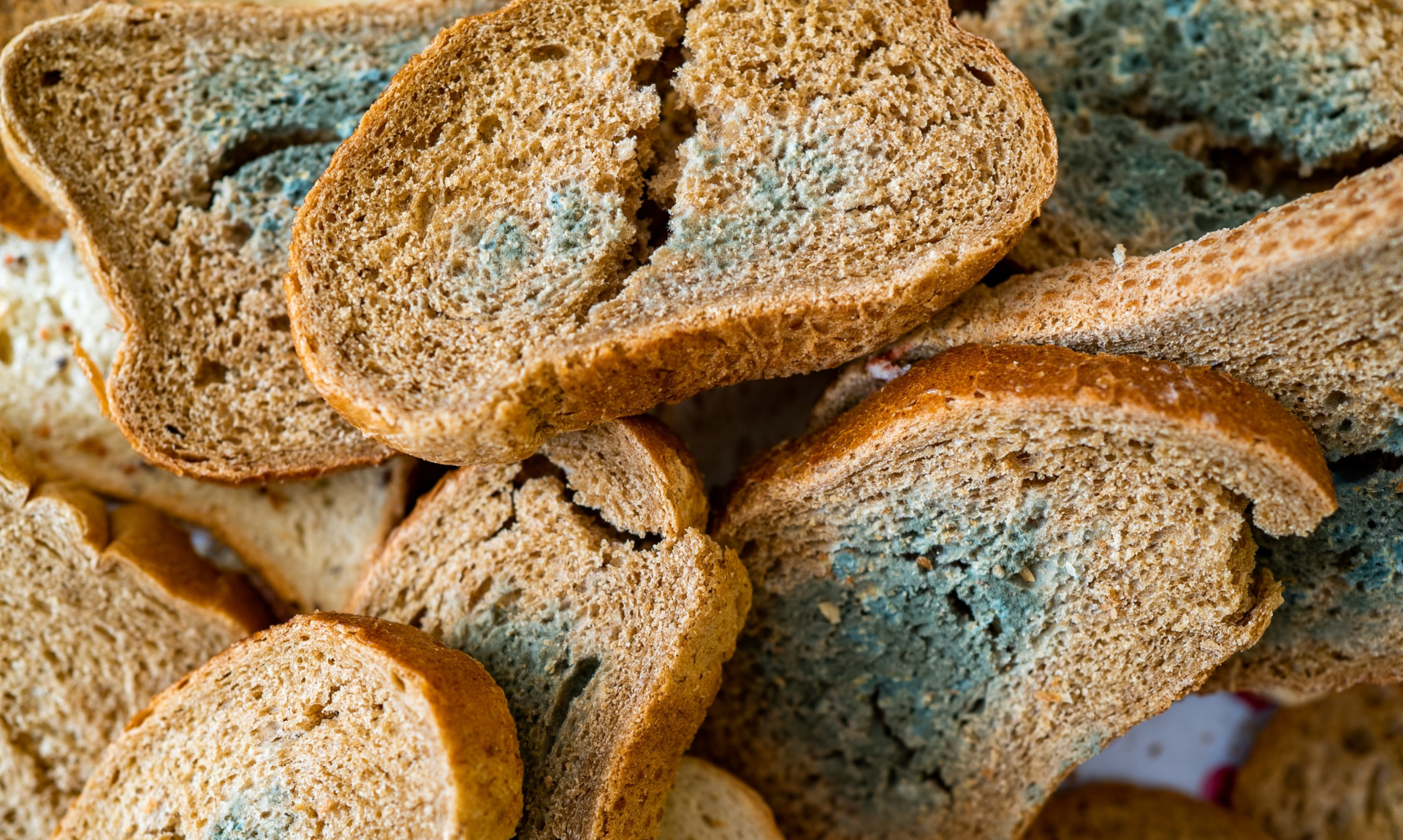
These include a sour, unpleasant odour, changes in colour, or altered texture such as milk becoming clumpy or foods turning slimy or soggy. Visible mould or unusual growths on the surface are also warning signs, as is an unusual or rancid taste.
Food spoilage can be caused by a range of factors, including physical, chemical and biological contamination. Poor packaging and storage practices can also play a part.
Why temperature matters
Maintaining safe storage temperatures is described as vital in slowing bacterial growth and preventing food from spoiling.
Dr Richard Anderson said: “Maintaining safe food storage temperatures is vital for maintaining food safety and preventing food spoilage. To slow bacterial growth, perishable foods should be stored below 5 °C (or at least under 8 °C) in the fridge. Foods must be kept out of the temperature danger zone (between 8 °C and 63 °C) where bacteria can multiply rapidly. It’s also important to chill cooked food quickly – ideally within 90 minutes – and avoid leaving it within the temperature danger zone (such as room temperature) for a prolonged period.”
Ten practical tips to cut waste and risk
High Speed Training has shared ten top tips to help reduce food spoilage:
-
Keep perishable foods refrigerated below 5 °C.
-
Store frozen foods at minus 18 °C or lower.
-
Follow the FIFO system, meaning First In, First Out, so older products are used before newer ones.
-
Use airtight containers or suitable packaging to limit exposure to air and moisture.
-
Label and regularly check use by and best before dates, rotating stock accordingly.
-
Avoid over purchasing perishable items to help ensure they are used before they spoil.
-
Maintain high standards of personal hygiene and clean surfaces and equipment regularly to minimise microbial contamination.
-
Keep raw and ready to eat foods separate in storage and preparation areas to avoid cross contamination.
-
Cool hot food quickly, for example by dividing it into smaller portions or using ice baths, and refrigerate within 90 minutes.
-
Discard any food showing signs of spoilage immediately.
For more information, visit the High Speed Training website.

Read Next
- Cornwall AirportNine in every ten seats to Alicante were taken.
Share This Story, Choose Your Platform!
To keep up with the latest cornish news follow us below
Follow CornishStuff on Facebook - Like our Facebook page to get the latest news in your feed and join in the discussions in the comments. Click here to give us a like!
Follow us on Twitter - For the latest breaking news in Cornwall and the latest stories, click here to follow CornishStuff on X.
Follow us on Instagram - We also put the latest news in our Instagram Stories. Click here to follow CornishStuff on Instagram.
- 1
- 2
- 3
- 4
- 5
- 6