Expert Shares Deep Fat Fryer Safety Advice
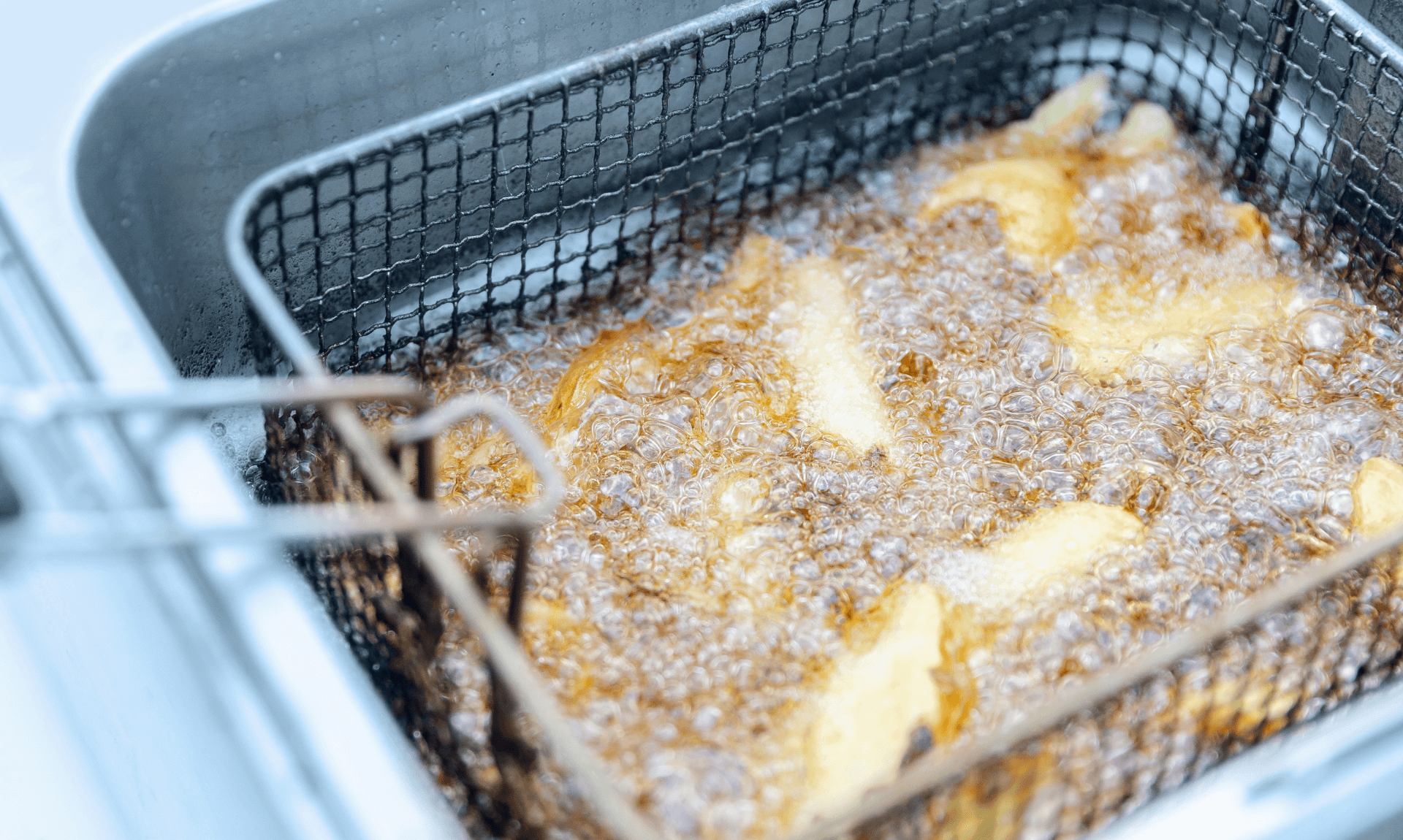
Deep fat fryers remain a common sight in kitchens across the UK, even as air fryers grow in popularity. But food safety experts are warning that while these appliances are convenient, they can also pose serious risks if not used properly.
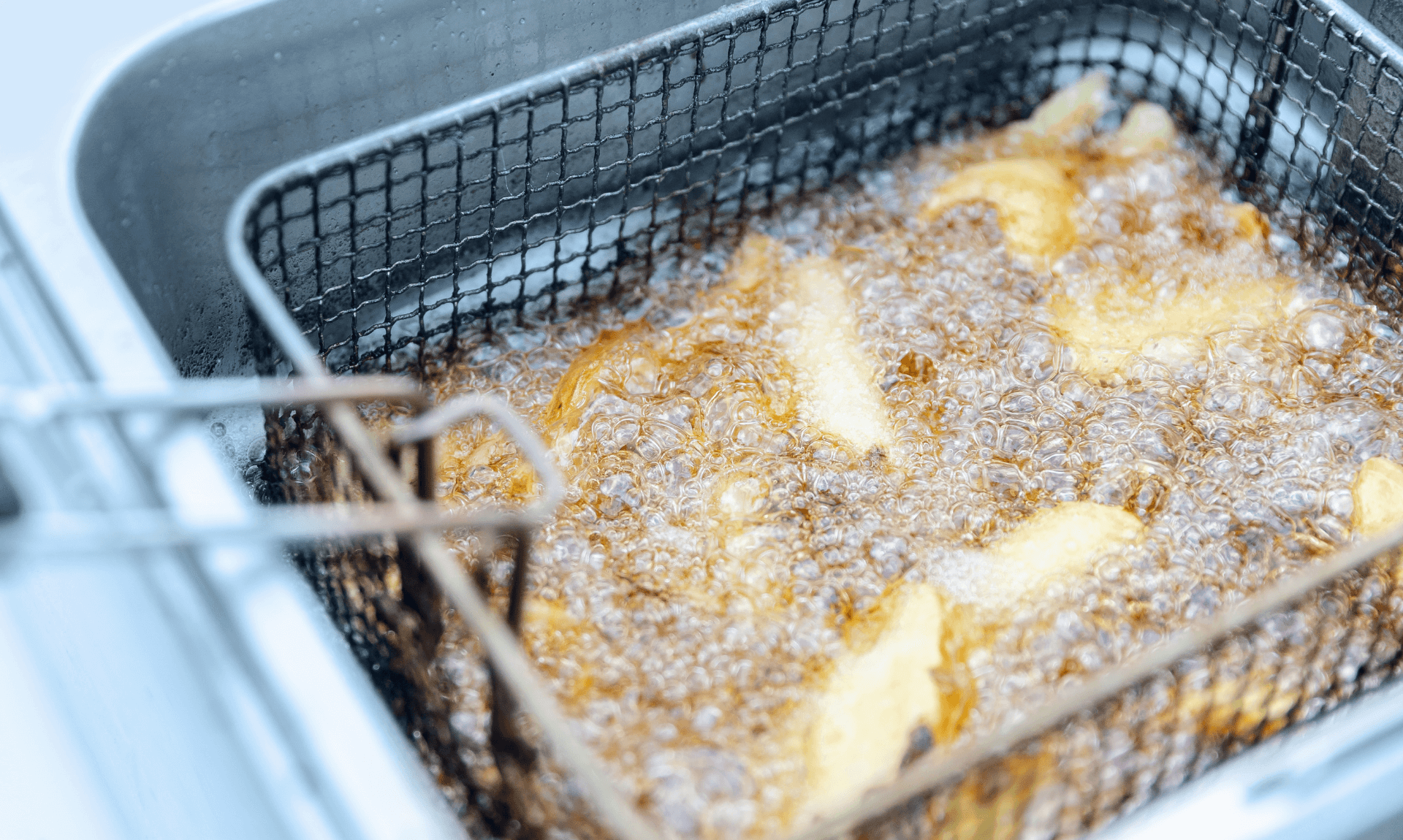
A deep fat fryer is an electrical kitchen appliance designed to cook food by submerging it in very hot oil. Used in both commercial and domestic kitchens, they help create food that is soft on the inside and crunchy on the outside, including fried chicken, chips, hash browns, battered fish, tempura and doughnuts.
However, according to Dr Richard Anderson, Learning Director at High Speed Training, they are not without danger.
“Using a deep fat fryer is safer than using a pan full of hot oil to fry foods, which can be incredibly hazardous, but deep fat fryers are one of the most dangerous appliances used in a kitchen,” said Dr Richard Anderson.
“The presence of hot oil in deep fat fryers has the potential to cause serious burns or fires, and presents a significant level of risk. For this reason, deep fat fryers must be used safely and properly.”
Your daily dose of Cornwall
News, events and goings on across the Duchy
Choosing the right oil and temperature
Richard advises choosing an oil with a high smoke point, such as vegetable or sunflower oil. These oils can be heated to very high temperatures before they begin to smoke or burn.
The fryer should be filled to the correct level, usually around two-thirds full. Overfilling can cause oil to bubble up and spill over.
Temperature is also key. As a guide, fryers should be set to 160°C for low, 180°C for moderate and 190°C for high. Oil should never be heated above this, as it can catch fire. Users should always follow the manufacturer’s instructions.
Food should be lowered gently into the hot oil, the fryer covered, and care taken not to overload the basket or pan.
When finished, the appliance should be turned off and the oil left to cool before draining or removing it. This can take longer than expected.
Water and hot oil do not mix
Richard also stressed the importance of supervision.
“Never leave your deep fat fryer unattended when it’s full of hot oil, as it can overheat, ignite or spill over in a matter of seconds,” he said.
“Also, keep all sources of water away from your deep fat fryer when it’s full of hot oil, as water and hot oil can cause serious burn injuries when mixed together. This includes even the smallest drops of water from wet foods or wet utensils.
“It’s also important to remember to only use equipment and utensils that are intended for use in hot oil, such as stainless steel. Avoid copper or iron utensils as these can cause the oil to foam.”
Cleaning and maintenance
Regular cleaning is essential to maintain safety and food hygiene.
Before cleaning, the fryer should be switched off at the wall or using the on and off control for gas appliances. Oil must be drained thoroughly with no spills.
Loose food should be removed from internal surfaces before washing thoroughly with soap and water or a food safe cleaner. Abrasive cleaners should be avoided as they may scratch the appliance.
After cleaning, any water must be drained, the fryer rinsed thoroughly and dried completely. It is also important to check that the oil draining valve is closed and working properly.
Your daily dose of Cornwall
News, events and goings on across the Duchy
What to do if someone is burned
Richard also shared advice on dealing with burns or scalds.
“Where possible, move the person who has been burned away from the source of heat to prevent further burn injuries to them or to you. Then, remove any loose clothing or jewellery near to the burnt area of skin, but do not remove anything that has stuck to the skin. Use cool or lukewarm running water to cool the burn for at least 20 minutes. Avoid using ice, creams or greasy substances.”
“Next, cover the burnt area of skin, ideally with a layer of cling film or a clean plastic bag, and raise the affected area to help reduce any swelling. Keep the casualty warm and comfortable, avoid touching the burnt area, and give them painkillers if needed.”
He added that if someone has suffered a severe, deep burn, a chemical burn or an electrical burn, emergency services should be contacted immediately.
For more free resources, advice and information, visit the High Speed Training Hub.
Read Next
- Cornwall AirportNine in every ten seats to Alicante were taken.
Share This Story, Choose Your Platform!
To keep up with the latest cornish news follow us below
Follow CornishStuff on Facebook - Like our Facebook page to get the latest news in your feed and join in the discussions in the comments. Click here to give us a like!
Follow us on Twitter - For the latest breaking news in Cornwall and the latest stories, click here to follow CornishStuff on X.
Follow us on Instagram - We also put the latest news in our Instagram Stories. Click here to follow CornishStuff on Instagram.
- 1
- 2
- 3
- 4
- 5
- 6