South West Skin Cancer Cases Hit Record High, Charity Warns
More than 2,300 people a year are now being diagnosed with the deadliest form of skin cancer in the South West. And that figure is only going one way.
New analysis from Cancer Research UK shows that melanoma cases in the region are among the highest on record, prompting the charity to issue an urgent warning ahead of the bank holiday weekend.
The annual number of people diagnosed with melanoma in the South West has risen above 2,300, and the charity says this number is set to soar.
Your daily dose of Cornwall
News, events and goings on across the Duchy
A national picture that’s getting worse
Across the UK, there could be a record 26,500 new cases of melanoma every year by 2040. That works out as an increase of 23% in men and 26% in women between now and then.
Women are more likely than men to be diagnosed with melanoma at younger ages in the UK. But in later life, rates are higher in men. The higher rates in younger women are likely down to more sun exposure, including sunbathing and sunbed use. For older men, it may be linked to long-term sun exposure. Overdiagnosis, where cancers are diagnosed that wouldn’t have gone on to cause harm, could also be playing a part.
Nearly nine in 10 melanoma cases in the UK are caused by too much UV radiation from the sun and sunbeds, so staying safe in the sun is key to cutting the risk.
Overall increases largely reflect the UK’s growing and ageing population. Greater public awareness of melanoma has also led to more people being diagnosed and treated. Developments in research, early diagnosis and treatment are helping people with the disease live longer, better lives.
What the charity is asking people to do
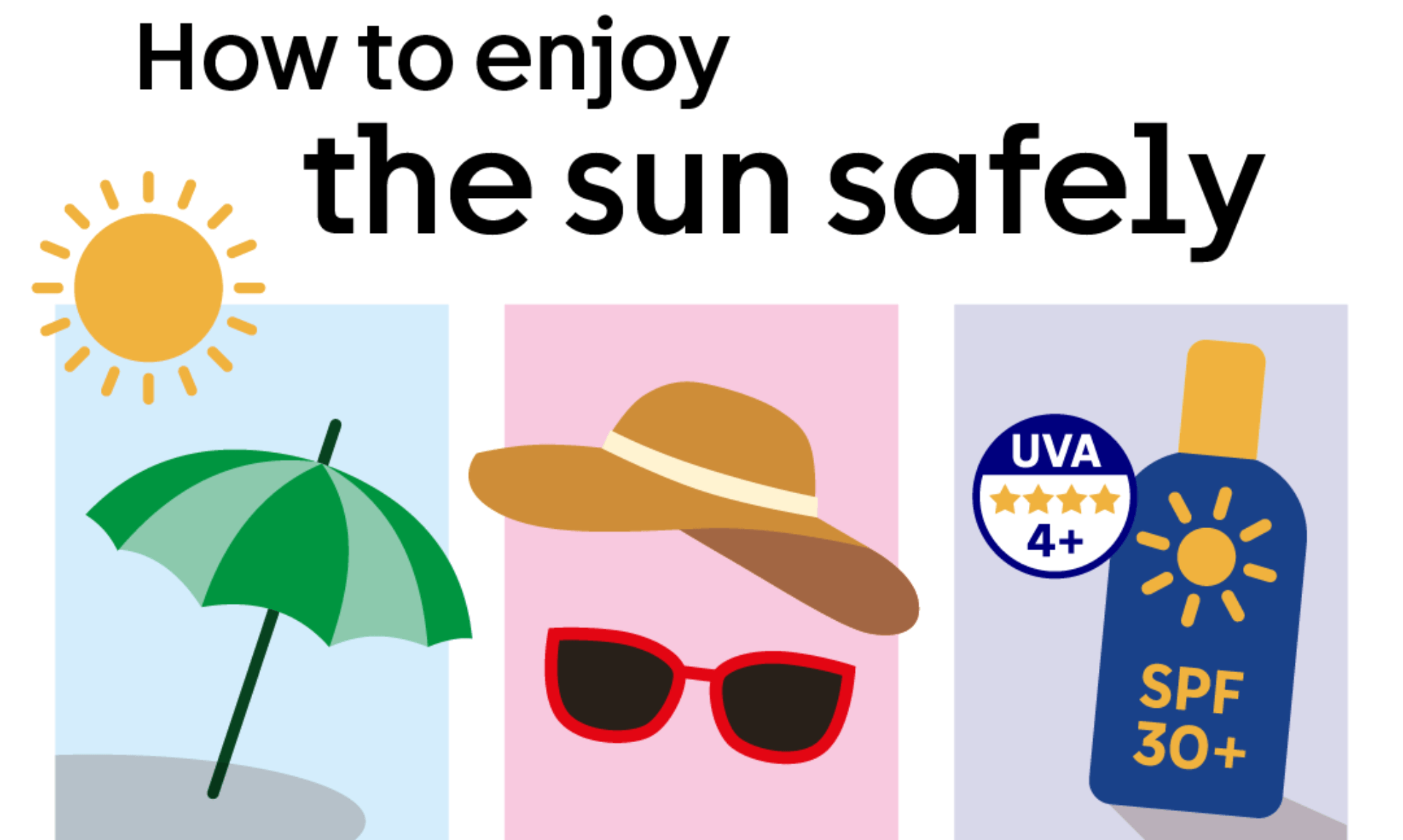
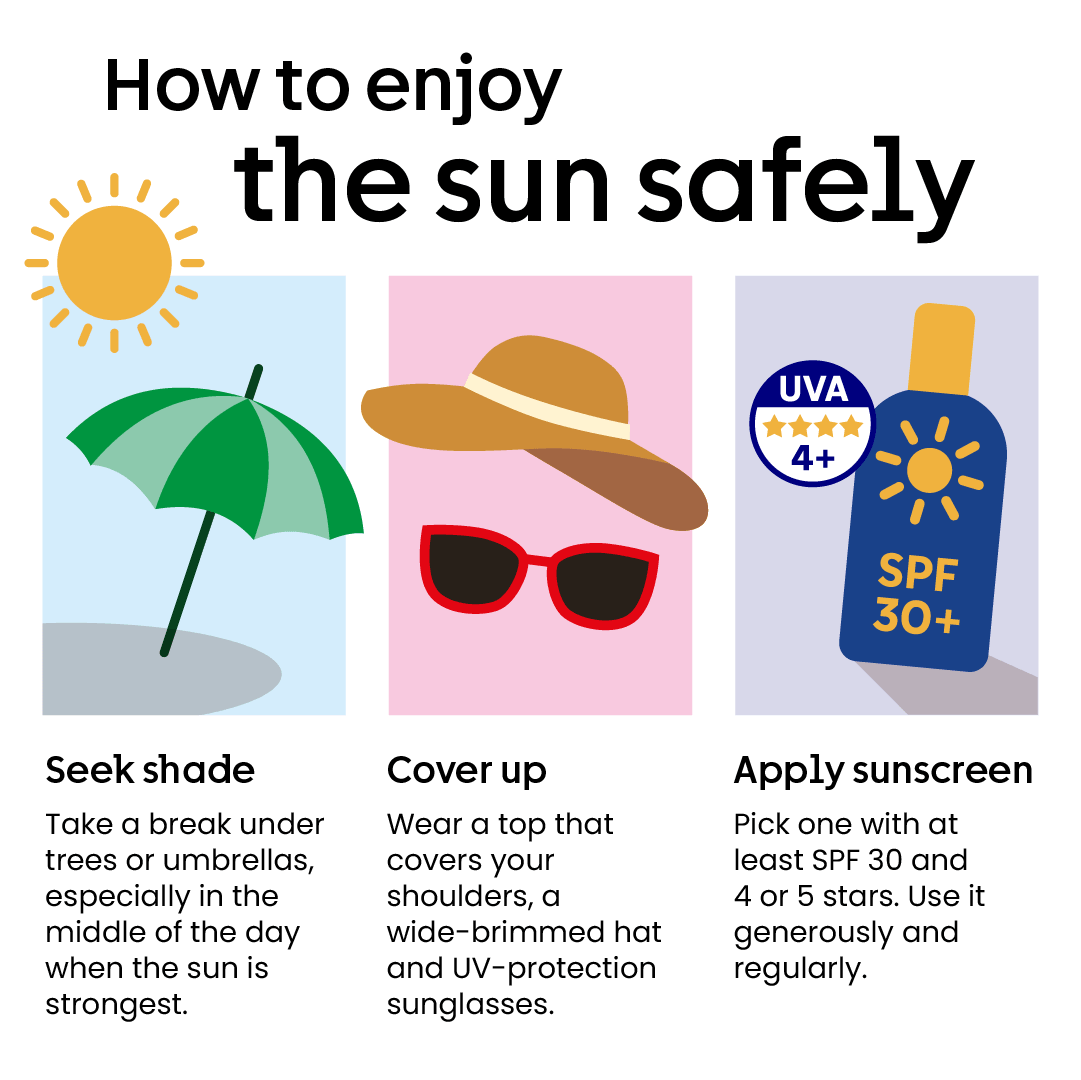
With sunny weather expected across the South West this bank holiday weekend, Cancer Research UK wants people to enjoy the sun safely. The charity has teamed up with NIVEA Sun to share three tips:
- Seek shade, especially between 11am and 3pm in the UK. Take a break under trees, umbrellas and canopies, or go indoors.
- Cover up with clothes, a wide-brimmed hat and UV protection sunglasses. Clothing should cover your shoulders. The more skin covered, the better the protection.
- Apply sunscreen with at least SPF 30 and four or five stars. Reapply regularly and generously, especially after swimming, sweating or towelling.
Michelle Mitchell, chief executive officer of Cancer Research UK, said: “It’s concerning to see the rising number of people being diagnosed with melanoma skin cancer across the UK. The fact that most of these cases are preventable underlines the importance of people taking sun safety seriously.
“Take care when the sun is strong by seeking shade, covering up and applying sunscreen and, if you notice any unusual changes to your skin, contact your GP. Whether it is a new or changing mole, a sore that doesn’t heal, or an area of your skin that looks out of the ordinary, it’s important to get it checked out. It probably won’t be cancer, but if it is, getting it diagnosed and treated early can make all the difference.”
When sunburn happens
Fiona Osgun, head of health information at Cancer Research UK, said: “Sunburn is a clear sign your skin has been damaged. Whether you are enjoying being outside abroad or at home, it’s important to protect yourself from the sun.
“Sunburn doesn’t only happen when it’s hot, it can happen on cooler or cloudier days too. The best way to protect your skin when the sun is strong is to use shade, particularly in the middle of the day, cover up, especially your shoulders, and wear a hat and sunglasses and finally, wear sunscreen, with at least SPF 30 and four or five stars. Make sure you put plenty on and reapply it regularly. Even if you’ve been sunburnt before, it’s never too late to start protecting your skin.”
For more sun safety advice visit cruk.org/sunsafety.
Read Next
- BusinessA holiday in Cornwall priced to compete with a city break in Copenhagen.
Share This Story, Choose Your Platform!
To keep up with the latest cornish news follow us below
Follow CornishStuff on Facebook - Like our Facebook page to get the latest news in your feed and join in the discussions in the comments. Click here to give us a like!
Follow us on Twitter - For the latest breaking news in Cornwall and the latest stories, click here to follow CornishStuff on X.
Follow us on Instagram - We also put the latest news in our Instagram Stories. Click here to follow CornishStuff on Instagram.
- 1
- 2
- 3
- 4
- 5
- 6