Six steps to a safe BBQ, according to a food safety expert
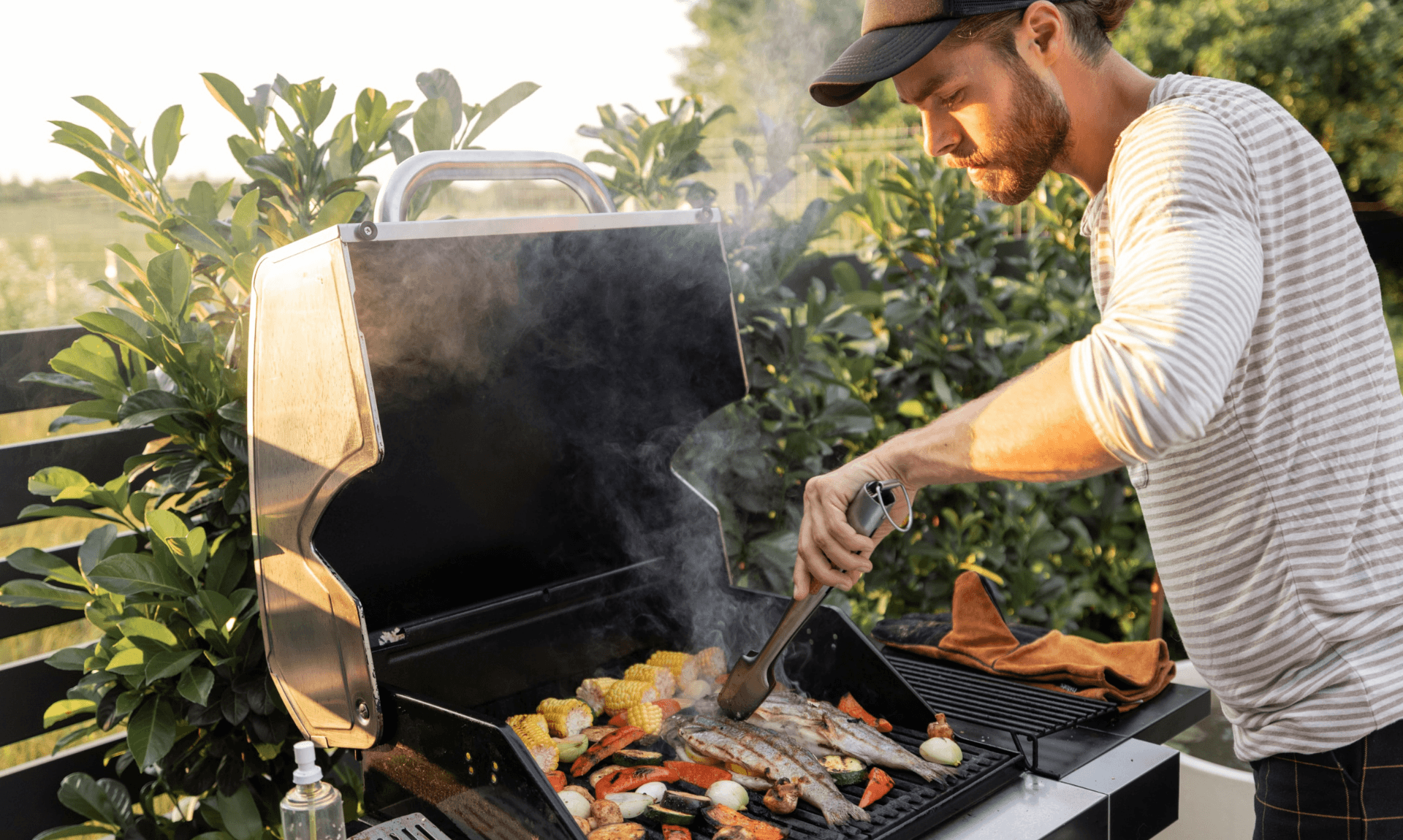
With temperatures climbing towards 33℃ this week, plenty of us will be dusting off the barbecue and dragging it out of the garage. But before you spark up the coals, there’s a number worth remembering, and getting it wrong could leave your guests with more than a sunburn to worry about.
Food safety experts High Speed Training have shared six steps to help you cook safely as the warm weather arrives, just in time for National BBQ Week, which runs from the 25th of May to the 2nd of August.
Your daily dose of Cornwall
News, events and goings on across the Duchy
Give it a good clean first
Whether your barbecue has been sitting outside or tucked away in the garage over winter, it will likely need a proper clean before it’s safe to cook on.
Dr Richard Anderson, Head of Learning and Development at High Speed Training, recommends starting by removing the grills, griddles or hot plates and washing them separately. “Give them a scrub with a wire scourer or some scrunched up tin foil to remove any stubborn bits of burnt food residue.” A thorough wash with hot, soapy water comes next, and a run through the dishwasher if they’re suitable for it.
Richard adds that any parts which can’t be removed but might touch food should be wiped down with an antibacterial cleaner, with charcoal residue cleaned off too. It’s also a good moment to wash any tools or utensils you’ll be using.
Preparing your feast
Barbecues involve a lot of moving parts, and a bit of pre planning goes a long way.
Richard says to start by thawing any frozen items in the refrigerator overnight, otherwise you risk your meat containing dangerous cold spots. Side dishes such as salads should stay covered and undressed until you’re ready to serve, which stops them going soggy and keeps insects away.
Good food hygiene is essential. Richard advises that no food, raw or ready to eat, should stay out of the fridge for more than 30 minutes before eating, and nothing should be left sitting in the sun.
When to fire it up
Your food is prepped and your guests are waiting, so when should you actually start cooking?
For a charcoal barbecue, Richard says you need to wait until the initial flames have died down and the coals are glowing. Start too soon and you risk scorching the outside of your meat without cooking the inside. Gas barbecues are more forgiving and let you begin earlier.
He also points out that you should wrap up your cooking as the coals lose heat. “The final stages of a BBQ do not contain sufficient heat to actually cook your meat, so it’s best to stop as the embers die down.”
Your daily dose of Cornwall
News, events and goings on across the Duchy
Think about your cooking order
A small cooking surface makes avoiding cross contamination tricky.
Richard says allergy considerations should be factored in ahead of time, with those foods prepared separately and cooked first. Any other dietary restrictions should be sorted before the rest of the meal too.
When cooking meat, try to use different areas of the surface for different types, though this isn’t always possible. Begin with lower risk meat such as red meat, then move on to higher risk options like chicken or pork.
Don’t turn your meat to charcoal
Worried about undercooking, plenty of people overdo it and end up with something closer to charcoal.
Richard says that when you think your meat might be ready, cut into it to check, and keep cooking if you have the slightest doubt. Meat should be cooked all the way through, although some beef products like steak can stay slightly pink inside. If you have a food thermometer, the internal temperature should be at least 70C.
Cover and reheat
It’s easy to over buy for a barbecue, and leftovers are almost guaranteed.
Richard advises placing meat in sealed, airtight containers, but leaving them out of the fridge until fully cooled. Put them in warm and you risk raising the fridge’s internal temperature and letting bacteria develop in everything else inside.
You can reheat all types of meat, and some items like chicken, steak or pork can be eaten cold in a sandwich or salad. “Whatever the meat, and however it has been cooked, remember to thoroughly reheat to at least 70C, and only reheat once.”
For more information about High Speed Training and their food hygiene courses, visit their website.
Read Next
- Cornwall AirportNine in every ten seats to Alicante were taken.
Share This Story, Choose Your Platform!
To keep up with the latest cornish news follow us below
Follow CornishStuff on Facebook - Like our Facebook page to get the latest news in your feed and join in the discussions in the comments. Click here to give us a like!
Follow us on Twitter - For the latest breaking news in Cornwall and the latest stories, click here to follow CornishStuff on X.
Follow us on Instagram - We also put the latest news in our Instagram Stories. Click here to follow CornishStuff on Instagram.
- 1
- 2
- 3
- 4
- 5
- 6