The clifftop huer’s hut that once ran a whole town
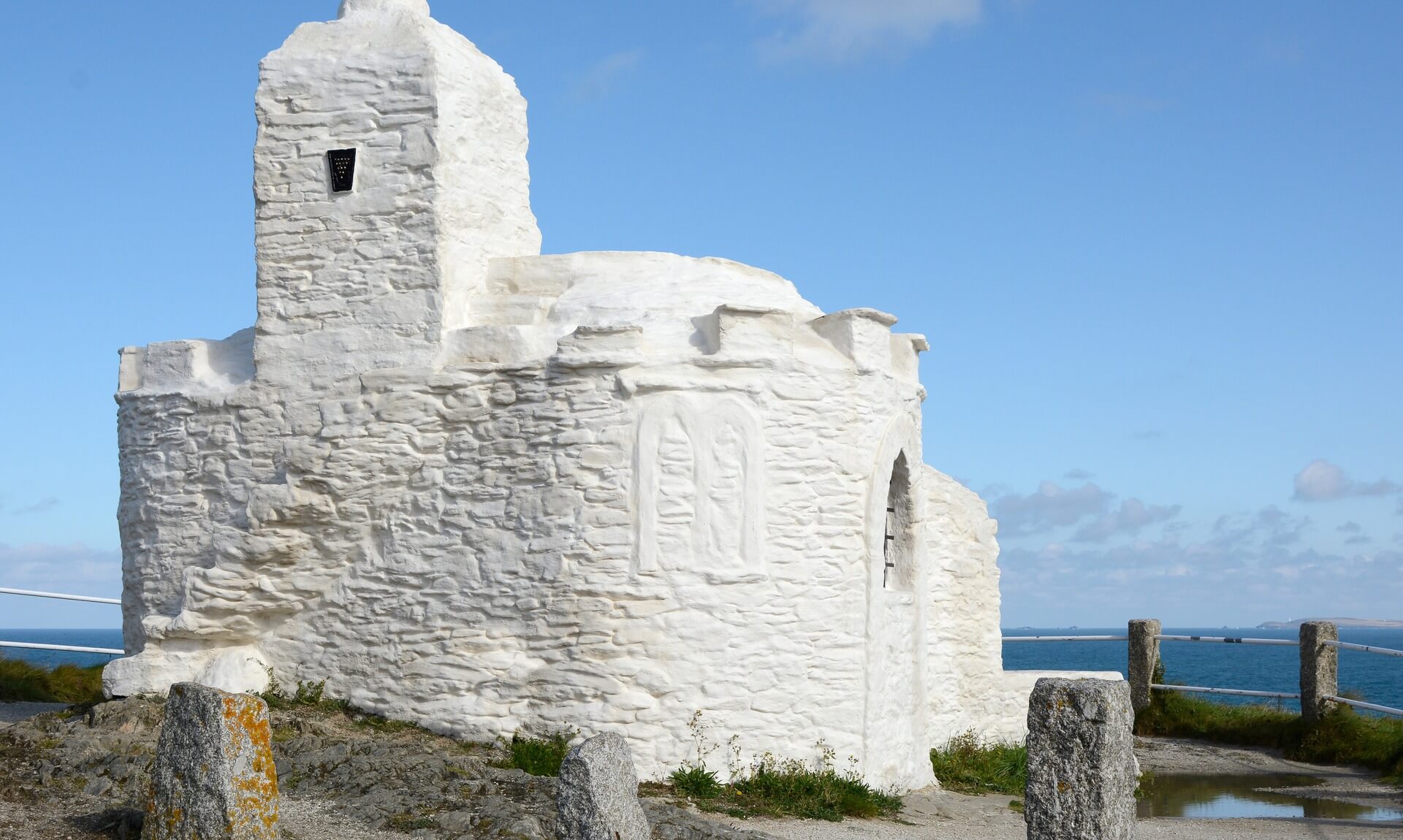
A small whitewashed building sits alone on the headland above Newquay, and for a few centuries it held more power over daily life in the town than anyone would expect from a hut with no door in the usual place. One man, one pair of eyes and a shout from that clifftop was enough to empty the streets, launch a fleet, and decide whether the town had a good winter or a lean one.
Your daily dose of Cornwall
News, events and goings on across the Duchy
A watchtower before it was a fish lookout
The Huer’s Hut stands on Towan Head, and nobody can say for certain how old it really is. The plaque on the building dates it to the 14th century, and some accounts suggest it began life as a hermitage, with a hermit lighting a beacon there to guide boats safely into the harbour below. Others think it started out as a lighthouse. What’s certain is that it has been altered and repaired more than once over the centuries, most recently with a full restoration in 2014, and it is now Grade II* listed under the official name Huer’s House, owned by Cornwall Council and held on a lifelong lease by Newquay Town Council.
Whatever it began as, by the 16th century the little round building on the cliff had found the job it would become known for, and would keep for the next three hundred years.
The industry that ran on a few weeks a year
That job was watching for pilchards. Cornwall’s pilchard fishery grew into one of the county’s biggest industries, at one point ranked third in size, built almost entirely on shoals that appeared along the coast for only a short stretch of the year, typically from midsummer onwards as the fish moved east along the coast from around Land’s End. Vast quantities of salted pilchard were shipped out to Italy, Spain and other Catholic countries, where the fish were in high demand on the many fasting days when meat was off the menu. At its peak, Cornwall was exporting tens of thousands of hogsheads (roughly a ton apiece) of pilchards a year, and single seine catches could run to well over a thousand tons of fish.
The trouble was catching them. The shoals moved fast, arrived without warning and could vanish just as quickly, so every fishing town on this coast needed someone whose entire job was to watch the sea and know when the moment had come. The huge seine nets used to catch them, sometimes a quarter of a mile long, were far too expensive for any one fisherman to own. They belonged to competing companies, each with its own stretch of foreshore and its own huer keeping watch over it.
Reading the sea for a living
A huer was usually an older, experienced man, chosen for the job because he knew exactly what he was looking for. A pilchard shoal near the surface turned the water a distinctive reddish-brown, sometimes called “shirming” locally, and it drew flocks of seabirds down to feed, so a sharp-eyed huer stationed high on a clifftop could often spot a shoal long before anyone at sea level had any idea it was there. The word itself is thought to come from the same root as “hue and cry”, and in some parts of Cornwall the job went by other names too, among them conder and bulker.
Once he was sure, the whole town depended on what happened next.
Your daily dose of Cornwall
News, events and goings on across the Duchy
Hevva! The cry that stopped the town
The huer would let out a blast on a horn or trumpet and the cry of “Hevva, hevva!”, Cornish for something close to “found, found”, and the effect was immediate. Fishermen who had been waiting their turn on the rota, known locally as a “stem”, would drop what they were doing and run for the harbour to launch the boats, and the rest of the village followed close behind.
Spotting the shoal was only half the job. Once the seine boats were out, the huer used a kind of semaphore, waving two bushes (originally gorse or furze branches, later covered in cloth or made up as white spheres) to direct the crews towards the fish, since from his height he could see the shoal’s movement far better than anyone in a boat ever could. The seine net would be shot around the shoal by the main boat while a second boat, the follower, closed the gap behind it. Once the fish were enclosed, a team on the shore called “blowsers” hauled on ropes fixed to a capstan to draw the whole net gradually towards the beach, where a smaller tuck net was used to bring the catch to the surface so it could be dipped out in baskets. From there the pilchards went to the fish cellars to be layered with salt and cured, a process the fishermen called “bulking”. A Victorian folk song about the season captures the chaos rather well, with women gathering outside the pub to swap news and the whole town rushing to see what stem their men had drawn, while the huer stood watch on the white rock above them all.
What’s left on Towan Head today
Pilchard fishing declined through the late 19th century as the big seine nets became too expensive to justify against smaller catches, and individual fishermen increasingly turned to drift nets they could own and work themselves. The industry that had once organised an entire town’s calendar had largely died out by the mid-20th century, though pilchards, now more often sold as Cornish sardines, are still caught in smaller numbers today.
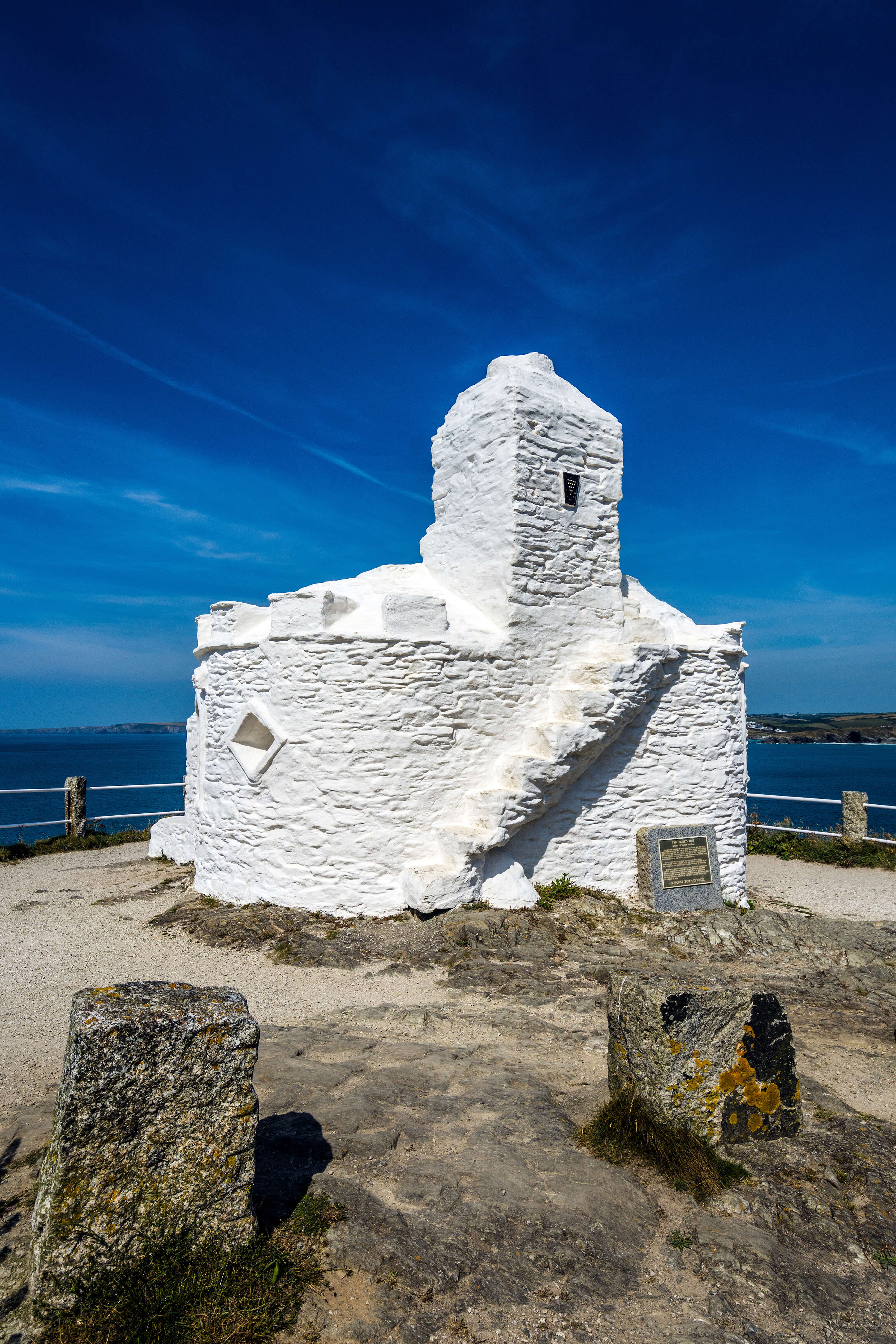
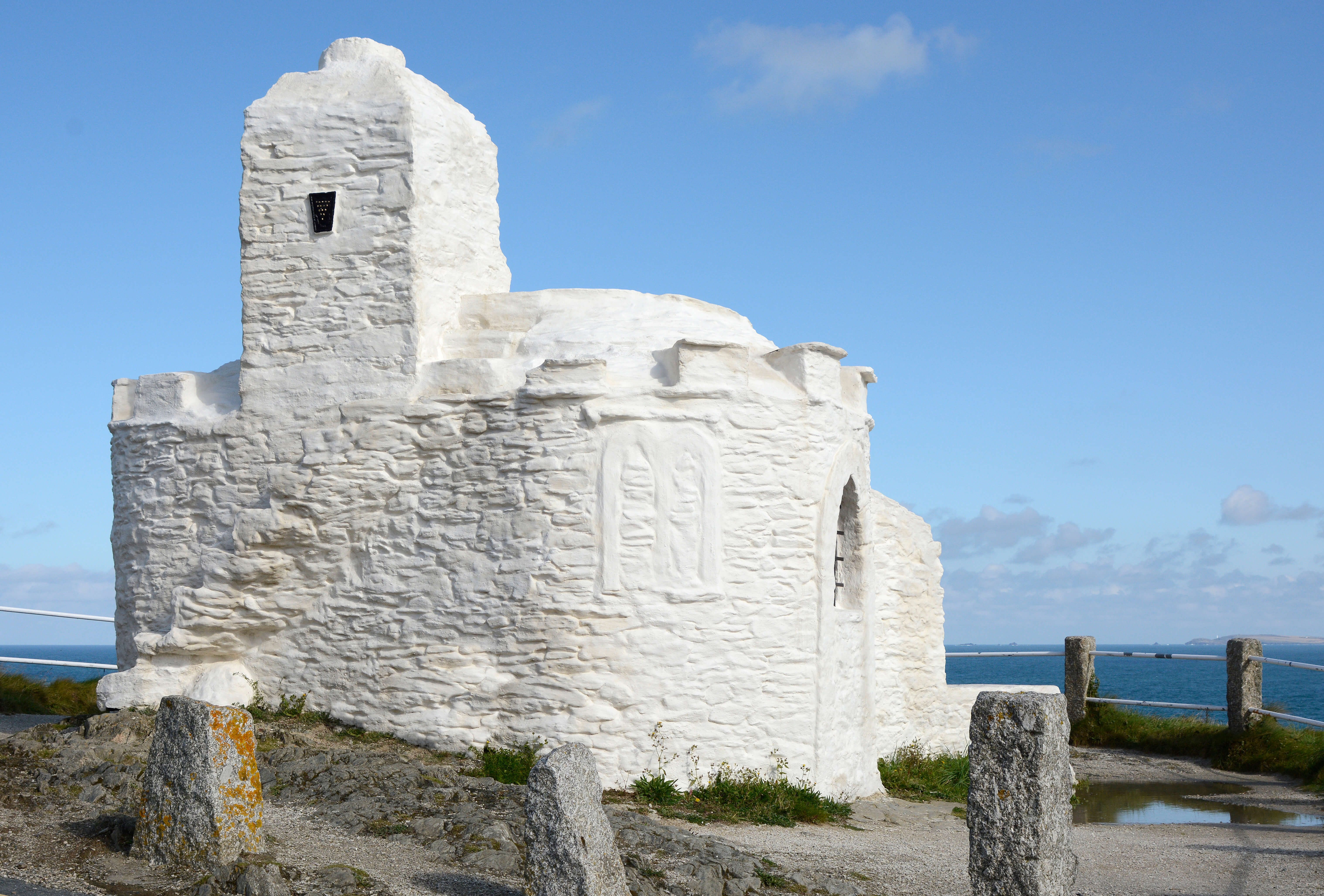
The Huer’s Hut outlived the trade that built it. Distinctive, whitewashed and topped with a chimney that looks slightly too large for the building beneath it, it is still visible for miles along this stretch of coast, and it’s a natural stop on any list of days out in Cornwall this summer, free to visit and only a short walk from Newquay’s seafront.
An external staircase still leads up to the flat stone roof the huer once used for the best possible view out to sea, though more than one visitor has admitted the steps feel a lot less charming and a lot more precarious on a windy day. Inside, there is little more than an old fireplace and a couple of narrow window openings, angled so a huer could keep watch even in poor weather without leaving the shelter of the hut. It was never meant to be comfortable. It was meant to see everything.
Share This Story, Choose Your Platform!
To keep up with the latest cornish news follow us below
Follow CornishStuff on Facebook - Like our Facebook page to get the latest news in your feed and join in the discussions in the comments. Click here to give us a like!
Follow us on Twitter - For the latest breaking news in Cornwall and the latest stories, click here to follow CornishStuff on X.
Follow us on Instagram - We also put the latest news in our Instagram Stories. Click here to follow CornishStuff on Instagram.
- 1
- 2
- 3
- 4
- 5
- 6




You Might Also Be Interested In


Discover More In Cornwall



Daily Cornish news by email
The latest daily news in Cornwall, sent direct to your inbox.