Leeds study finds zebra crossings confuse autistic children most
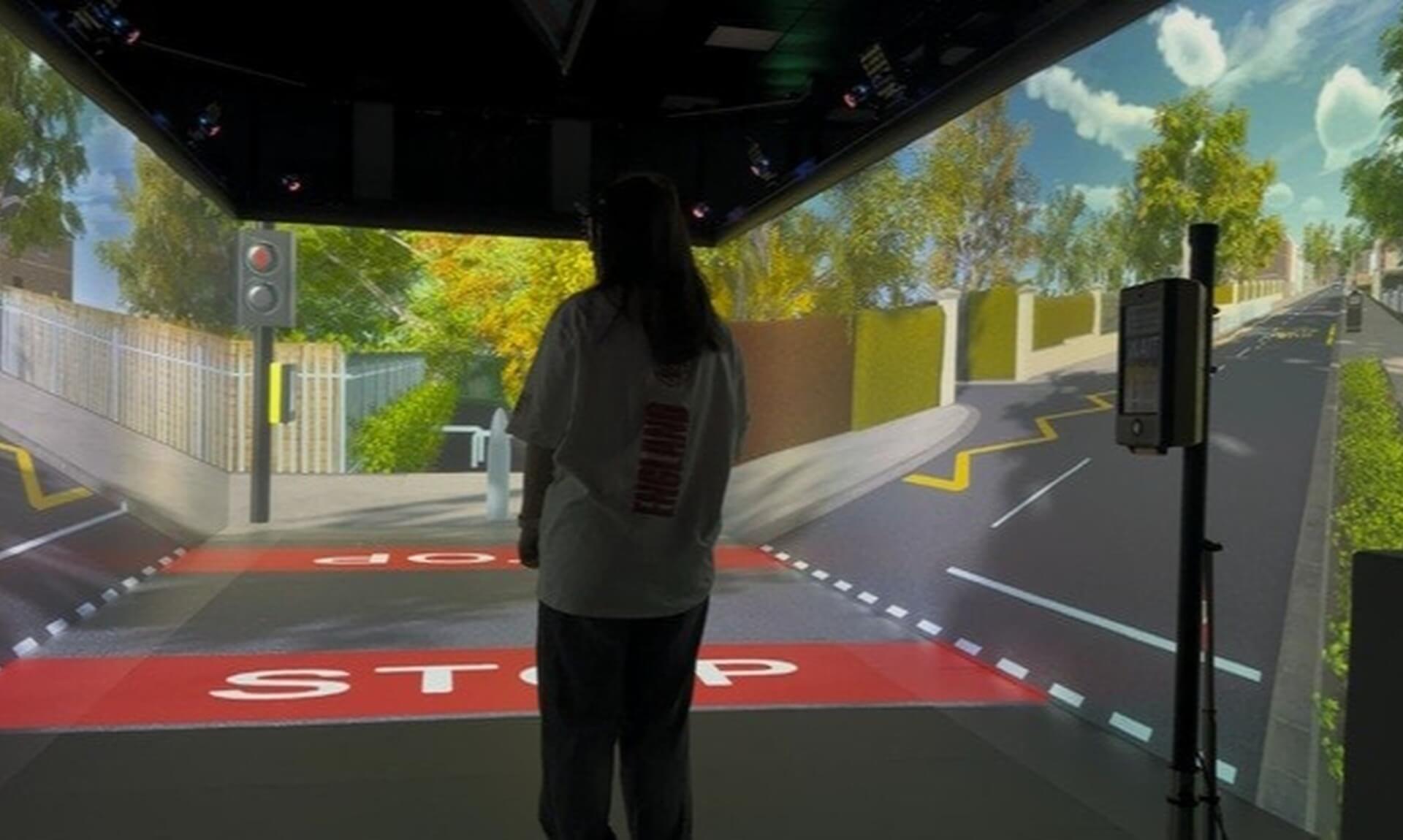
A child stands at a kerb that isn’t real, waiting for a green man that isn’t real, on a street built entirely out of projected light. It’s inside a laboratory at the University of Leeds, and it’s part of an effort to understand something that matters on very real pavements: why some road crossings trip up autistic children far more than others.
Your daily dose of Cornwall
News, events and goings on across the Duchy
The hardest skills to pick up at the kerb
The Autistic Children Matter: Addressing Road Crossing Challenges from Multiple Perspectives project, led by Dr Yee Mun Lee of the Institute for Transport Studies at the University of Leeds and funded by The Road Safety Trust, has published interim findings drawn from autistic children, caregivers, independent travel trainers and traffic engineers.
One strand of the work analysed 39 Independent Travel Training (ITT) records, supplied by Leeds City Council and covering children aged 11 to 13. It found some crossing skills are considerably harder to develop than others. Navigating around parked vehicles, looking over the shoulder for traffic, coping with busy roads and working out where bike lanes are and how to cross them all emerged as the biggest sticking points.
Pelican crossings win, zebra crossings confuse
The interim findings also compared three types of crossing infrastructure: Pelican crossings, zebra crossings and traffic islands. Pelican crossings appeared to be the most intuitive for children to master, while zebra crossings caused the most confusion.
The research team is clear that this is an early finding and further work is needed to understand why children respond differently to different crossing types. But it could feed into how pedestrian infrastructure is designed and placed, particularly around SEND schools, and whether clearer or more consistent ways of marking cycle lanes might ease some of the difficulties identified.
Training that can take a dozen sessions, or just one
Road-crossing skills also take time to bed in. The data suggest many children may need around 10 to 12 training sessions to reach the skills examined, though the researchers stress this is based on observed trends and there is considerable variation between individuals.
That matters, the team says, because Independent Travel Training approaches vary between councils, and some children may currently receive training in only a single session. Further work will look at whether ITT is standardised nationally and how practice differs between local authorities.
Dr Yee Mun Lee said: “Safe and independent travel is an important part of everyday life. Our findings suggest that both road infrastructure and the way road-crossing skills are taught can influence children’s experiences. By better understanding these factors, we hope to identify practical ways to support safer and more independent travel for autistic children.”
Your daily dose of Cornwall
News, events and goings on across the Duchy
Not one experience: competency, anxiety and infrastructure
A caregiver questionnaire, with 151 responses, points to three broad areas of challenge. Core road-crossing competency covers things like noticing hazards, judging traffic speed or distance, and applying learned safety rules in real situations. Anxiety and avoidance covers distress, hesitation, sensory overload and avoiding certain routes altogether. Use of road infrastructure covers difficulties with crossing buttons, traffic islands and crossing infrastructure itself.
Children with higher support needs faced greater difficulty across all three areas. An earlier age at autism diagnosis was linked to greater core road-crossing competency difficulties. Co-occurring anxiety was linked to greater anxiety and avoidance difficulties, while co-occurring ADHD and learning disability were linked to more difficulty using road infrastructure.
“These findings highlight that road-crossing challenges are not the same for every autistic child,” Dr Yee Mun Lee added. “By understanding which skills are most difficult and how children learn them over time, we can better tailor training, improve support, and inform the design of more accessible road environments.”
A virtual road in a Leeds lab
The next stage of the project moves into the Highly Immersive Kinematic Experimental Research (HIKER) laboratory at the University of Leeds, a CAVE-based pedestrian simulator built around virtual environments modelled on real school-road locations in the city. Researchers will study autistic children’s crossing behaviour, head movement, visual attention and subjective experience across different crossing designs, comparing autistic and typically developing adolescents to build evidence-based recommendations for inclusive school crossing infrastructure.
Ruth Purdie OBE, Chief Executive of The Road Safety Trust, said: “Understanding how autistic children experience and navigate road crossings is an important step in making our roads safer for everyone. This research will provide valuable insights and help develop more effective interventions, improve road safety, and create environments that support greater confidence and independence.”
Read Next
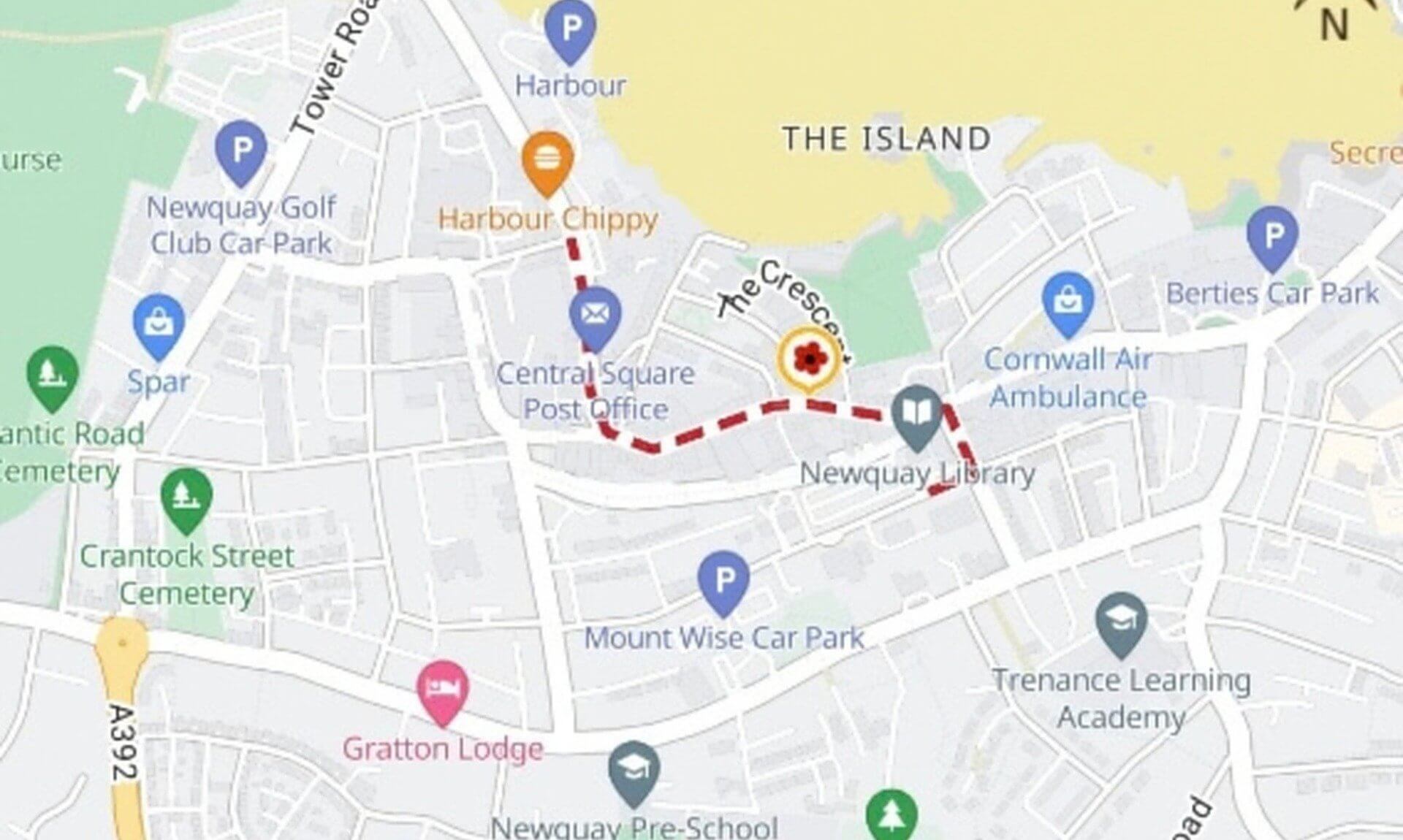
- NewquayIf you're driving through Newquay town centre on the morning of Sunday 8 November, you may end up waiting a few minutes while a parade goes by.
Share This Story, Choose Your Platform!
To keep up with the latest cornish news follow us below
Follow CornishStuff on Facebook - Like our Facebook page to get the latest news in your feed and join in the discussions in the comments. Click here to give us a like!
Follow us on Twitter - For the latest breaking news in Cornwall and the latest stories, click here to follow CornishStuff on X.
Follow us on Instagram - We also put the latest news in our Instagram Stories. Click here to follow CornishStuff on Instagram.
- 1
- 2
- 3
- 4
- 5
- 6