The best things to do in Cornwall on your holiday

Cornwall packs a lot into a small peninsula. You can stand in a clifftop theatre carved out of granite in the morning, walk across the sea to a castle at lunchtime, and watch surfers chase the day’s last wave by evening. The hard part is choosing what to leave out. This is a long guide on purpose. For each of these ten you get the story behind it, what to actually see and do when you arrive, and the practical detail (booking, tides, parking, how long to allow) that makes the difference between a good day and a wasted one. A few more that came close are at the end.
Your daily dose of Cornwall
News, events and goings on across the Duchy
1. The Eden Project, near St Austell
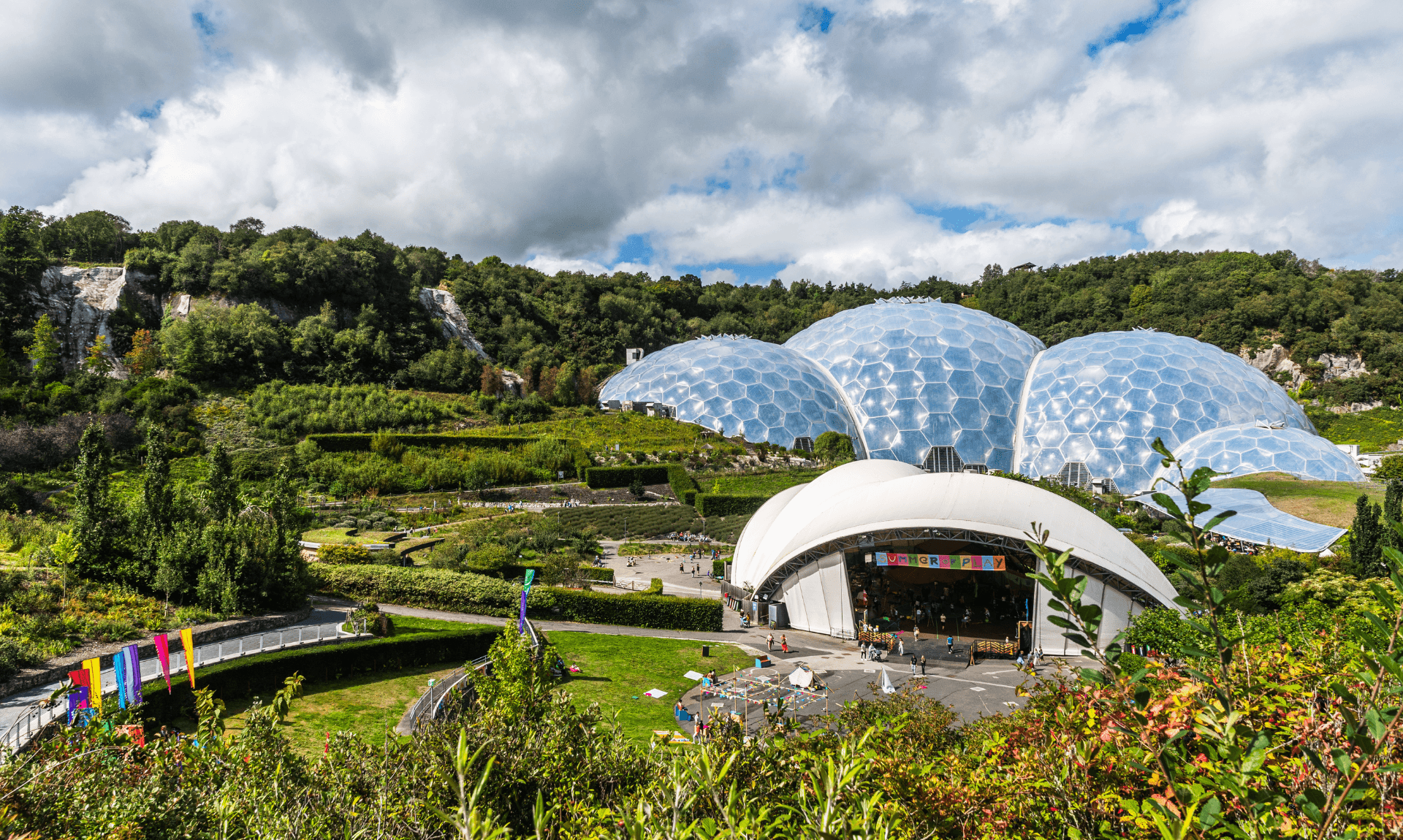
The Eden Project opened on 17 March 2001 in a worked-out china clay pit near St Austell, the idea of Tim Smit (the man behind the Lost Gardens of Heligan) and designed by the architect Nicholas Grimshaw. More than 20 million people have been through the gates since. The first sight of the biomes bubbling up out of the crater still lands even when you have seen the photos, and Halle Berry abseiled down one of them in the 2002 Bond film Die Another Day, which gives you a sense of the scale.
There are two linked domes. The Rainforest Biome is the largest indoor rainforest in the world, a proper jungle you climb through past waterfalls and banana plants to a treetop walkway near the roof, where the heat and humidity fog up your glasses. The Mediterranean Biome is cooler and drier, planted with olives, citrus and vines. Outside, the gardens wrap around the pit with one of Europe’s biggest collections of useful plants, and The Core, Eden’s timber-and-copper education building on the upper rim, is worth the climb for its hands-on exhibits. Children get Nature’s Playground, a large outdoor adventure area.
For a bigger hit of adrenaline, the upper rim is home to Hangloose Adventure. This is a separate company with separate tickets, and you do not need an Eden ticket to take part. Its SkyWire is one of England’s longest and fastest zip wires, a 660-metre flight across the top of the biomes at up to 60mph. There is also a giant swing called Gravity, an aerial high-ropes course, and a couple of leap-off-the-edge jumps for the brave. Book those ahead on the Hangloose website in summer.
Practical bits. Entry to Eden is timed, so pre-book on the Eden Project website for the cheapest tickets and a guaranteed slot in school holidays. Your ticket converts into a free annual pass. Between 25 June and 1 September 2026, general admission is cheaper thanks to a temporary government VAT cut. Summer evenings bring the Eden Sessions concerts, running since 2002, and winter brings a popular open-air ice rink. Allow the best part of a day. The address is Bodelva, St Austell, PL24 2SG, a couple of minutes off the A390, with plenty of parking.
2. St Michael’s Mount, Marazion
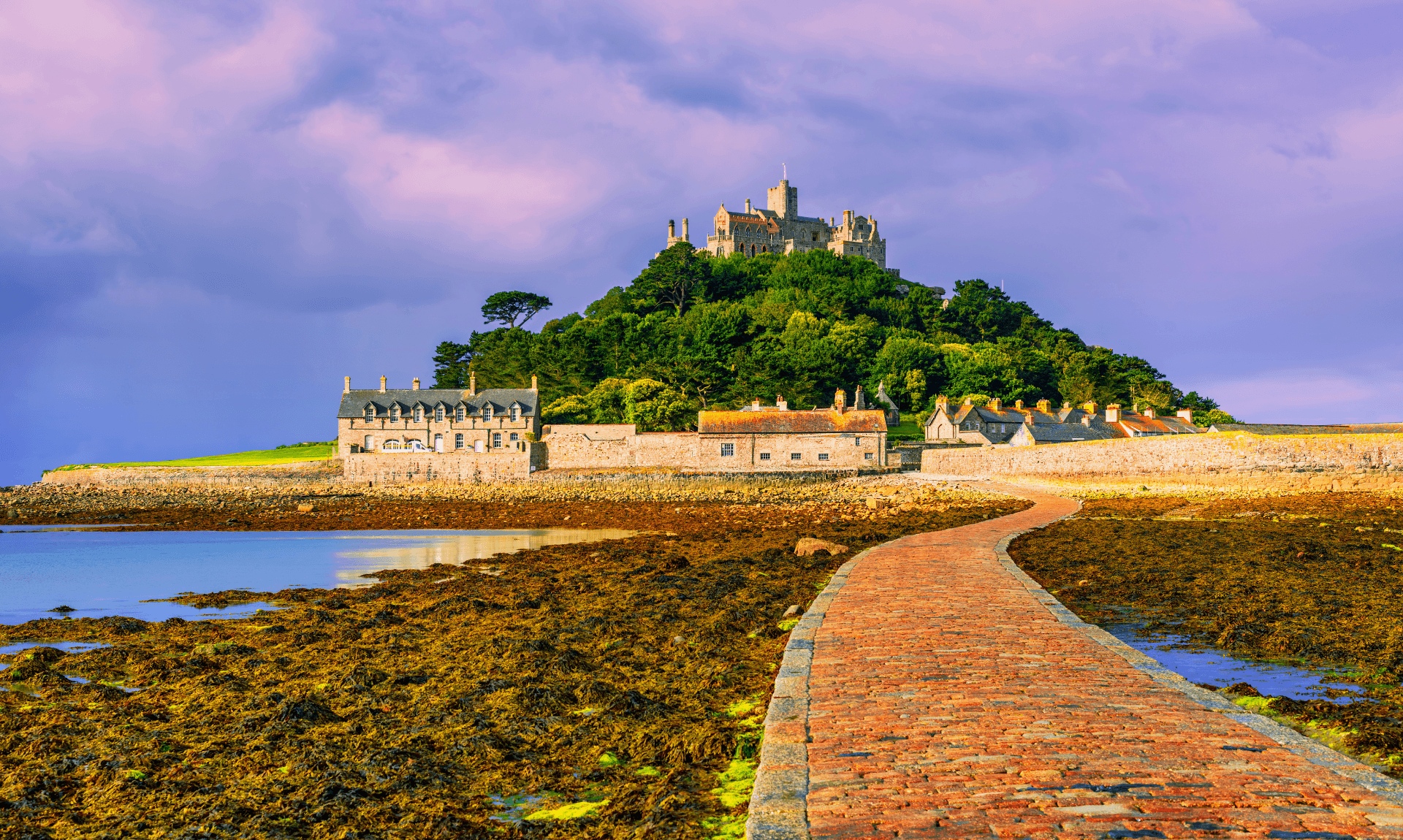
Few places in Cornwall carry as much history as this one. St Michael’s Mount began as a Benedictine priory tied to Mont-Saint-Michel in Normandy, gifted to the French monks by Edward the Confessor, and the present church on the summit was begun in 1135. It was a major pilgrimage site through the Middle Ages. Later it became a fortress. The first beacon warning of the Spanish Armada was lit on the church tower in 1588, it was held for the king in the Civil War until the garrison surrendered in 1646, and in 1659 Colonel John St Aubyn bought it. His descendants live in the castle to this day, on a 999-year lease, after the family gave the Mount to the National Trust in 1954.
Then there is the legend. The Mount is said to have been the home of a giant called Cormoran, who waded ashore to steal cattle until a local boy called Jack dug a pit, lured him down the hill and trapped him, becoming Jack the Giant Killer. Look for the heart-shaped stone set into the path up to the castle, said to be the giant’s petrified heart.
A visit has three parts. The walk or boat crossing, the castle with its rooms, armoury and views from the battlements, and the terraced sub-tropical gardens clinging to the rock below, which have their own opening days. Give yourself two to three hours, more if you want to linger in the little village at the bottom or eat there.
The practical side needs planning. Walking the cobbled causeway at low tide is free and open every day. To go inside the castle and gardens you need a ticket, and from April to October those must be booked in advance on the St Michael’s Mount website, with none sold at the door. The ferry boats only run from 15 March to 31 October, so in winter the causeway is the only way across. Check the crossing times before you go, because the tide comes in fast, and wear sensible shoes for the cobbles. Only guide dogs are allowed on the island, and you park over in Marazion.
3. The Minack Theatre, Porthcurno
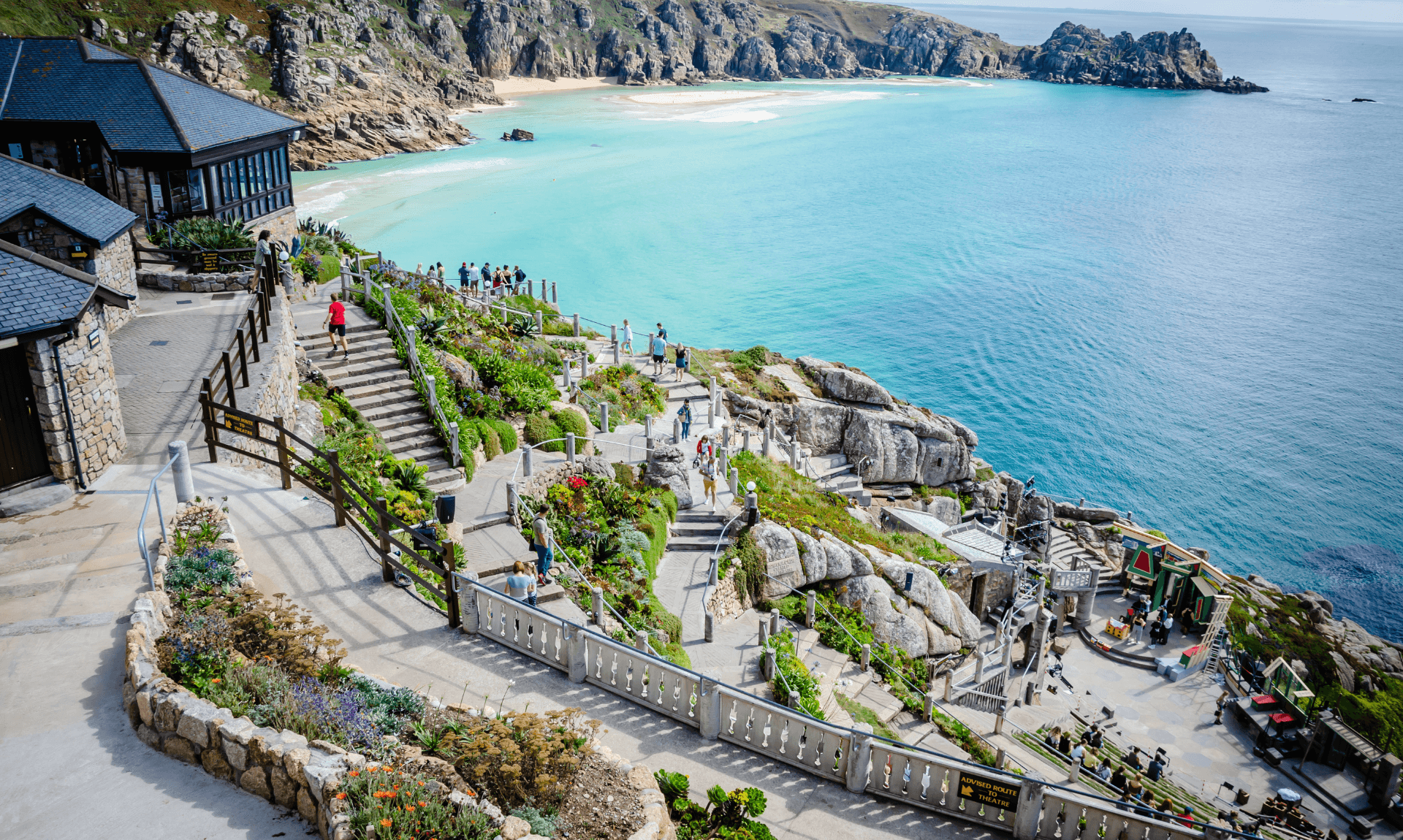
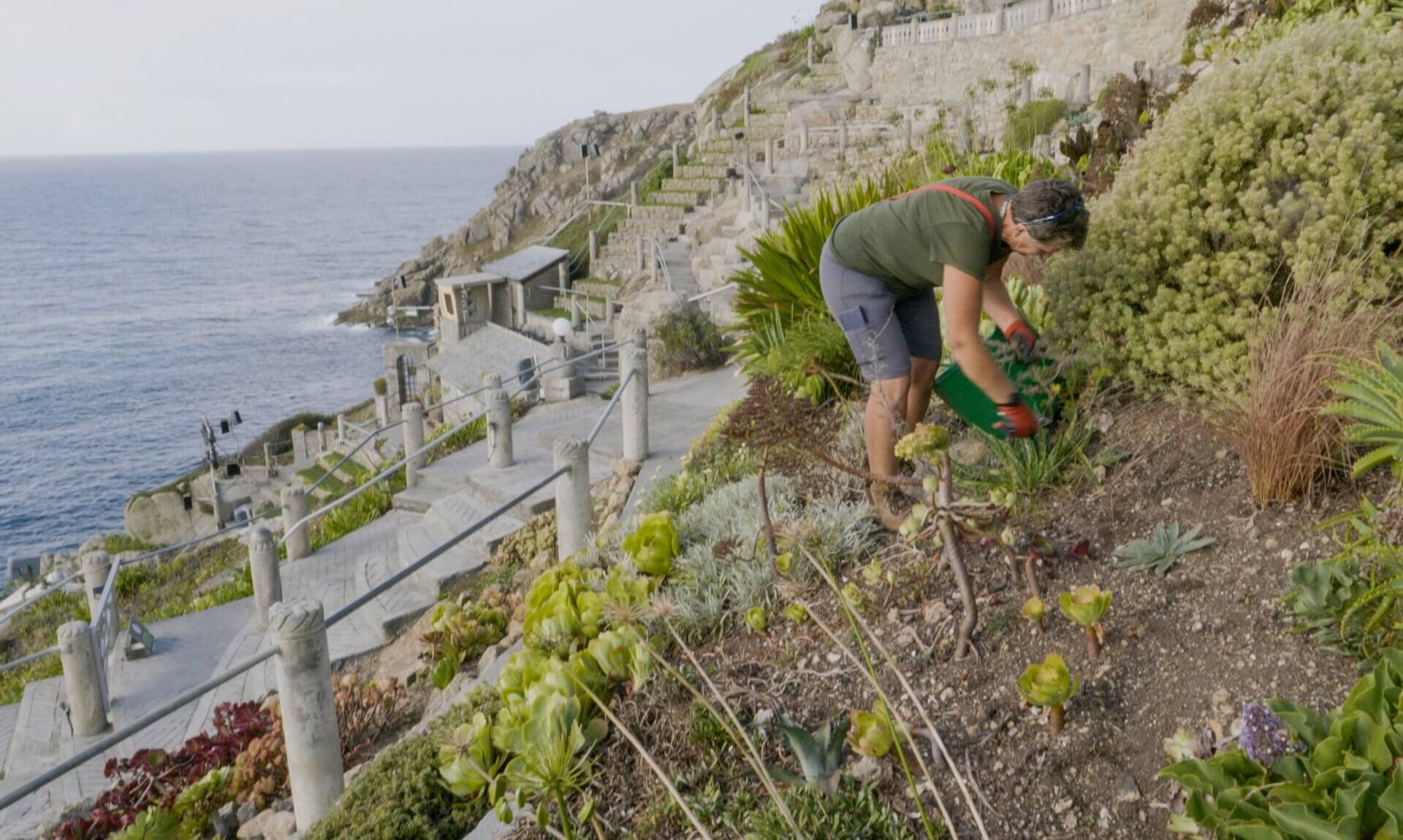
The Minack is one woman’s project that got gloriously out of hand. In the early 1930s Rowena Cade offered her cliff garden above Porthcurno as a stage for a local production of The Tempest, then spent the rest of her life turning the gully into a theatre, hauling sand and timber up from the beach and cutting seats and lettering into the granite by hand. She was still working on it into her eighties, and died in 1983. The result is an open-air amphitheatre of around 750 seats built straight into the cliff, with the Atlantic filling the horizon behind the stage.
You can visit in two ways. A daytime ticket lets you walk the terraces, see the carved seats and the sub-tropical show garden, and go through the Rowena Cade exhibition, which tells the story of how it was built. An audio tour guides you down through the gardens. Or you book an evening performance and watch a play, a musical, an opera or a concert as the light drops over the sea, which is the way to see the place at its best. The summer season runs from around May to September, with roughly 200 performances by touring companies.
Practical notes. Advance booking is essential in school holidays and advised at any time, through the Minack Theatre website, and visit tickets are usually released about two months ahead. Bring layers and a cushion (or hire one), because granite is hard and the weather turns quickly. Parking on site is free. The theatre is at Porthcurno, TR19 6JU, about four miles from Land’s End, and the white sand of Porthcurno beach is a short walk downhill. While you are there, the Porthcurno Telegraph Museum in the valley tells the surprising story of how this tiny cove was once a hub of the world’s undersea cable network.
Your daily dose of Cornwall
News, events and goings on across the Duchy
4. St Ives and Tate St Ives
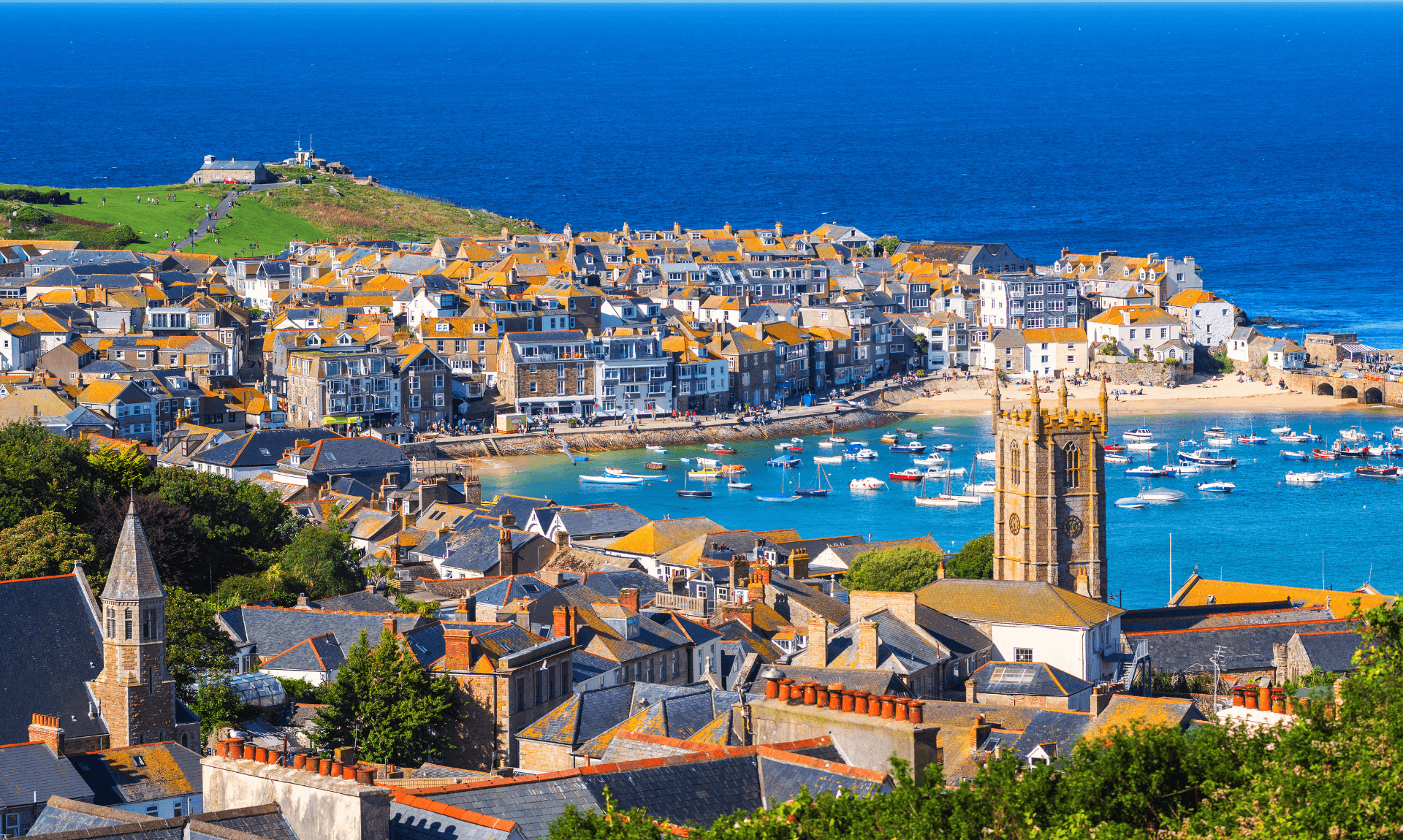
St Ives earns its reputation. Narrow granite lanes drop down to a working harbour and four separate beaches, and the quality of the light has pulled painters and sculptors here for well over a century. Porthmeor faces the Atlantic and draws the surfers, Porthminster is the calm, golden one with a famous beach café, Porthgwidden is a small sun-trap, and the Harbour beach sits right in the middle of town.
The art is the other half of the draw. Tate St Ives stands above Porthmeor beach and shows modern and contemporary work with links to the town, in a building that first opened in 1993 and doubled in size after a refurbishment in 2017. A ten-minute walk away, the Barbara Hepworth Museum and Sculpture Garden keeps the sculptor’s Trewyn Studio and garden much as she left them, with more than thirty of her works standing where she placed them among the plants. April 2026 marked fifty years since the museum opened. Round it off at the Leach Pottery, the studio founded by Bernard Leach that shaped modern British ceramics.
Planning tips. A combined ticket covers both Tate sites, and booking ahead is worth it in summer, though some tickets are held for the door. St Ives gets extremely busy and parking is tight and pricey, so the smart move is to leave the car at St Erth station and take the short branch-line train into town, one of the prettiest rail journeys in the country as it runs along the bay. One warning every local will give you: the seagulls here are bold and will take a pasty straight from your hand, so eat with your back to a wall.
5. Walk a stretch of the South West Coast Path
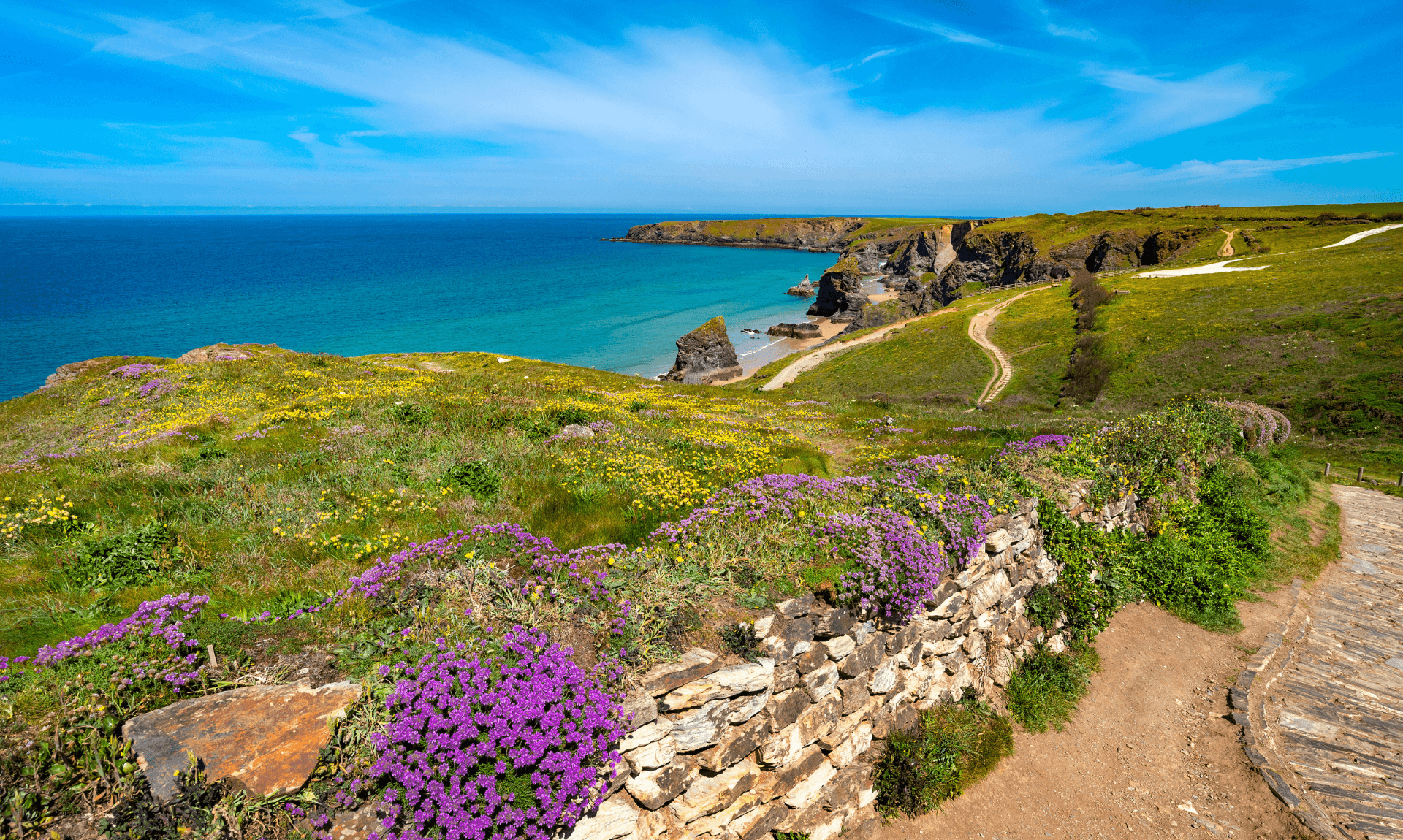
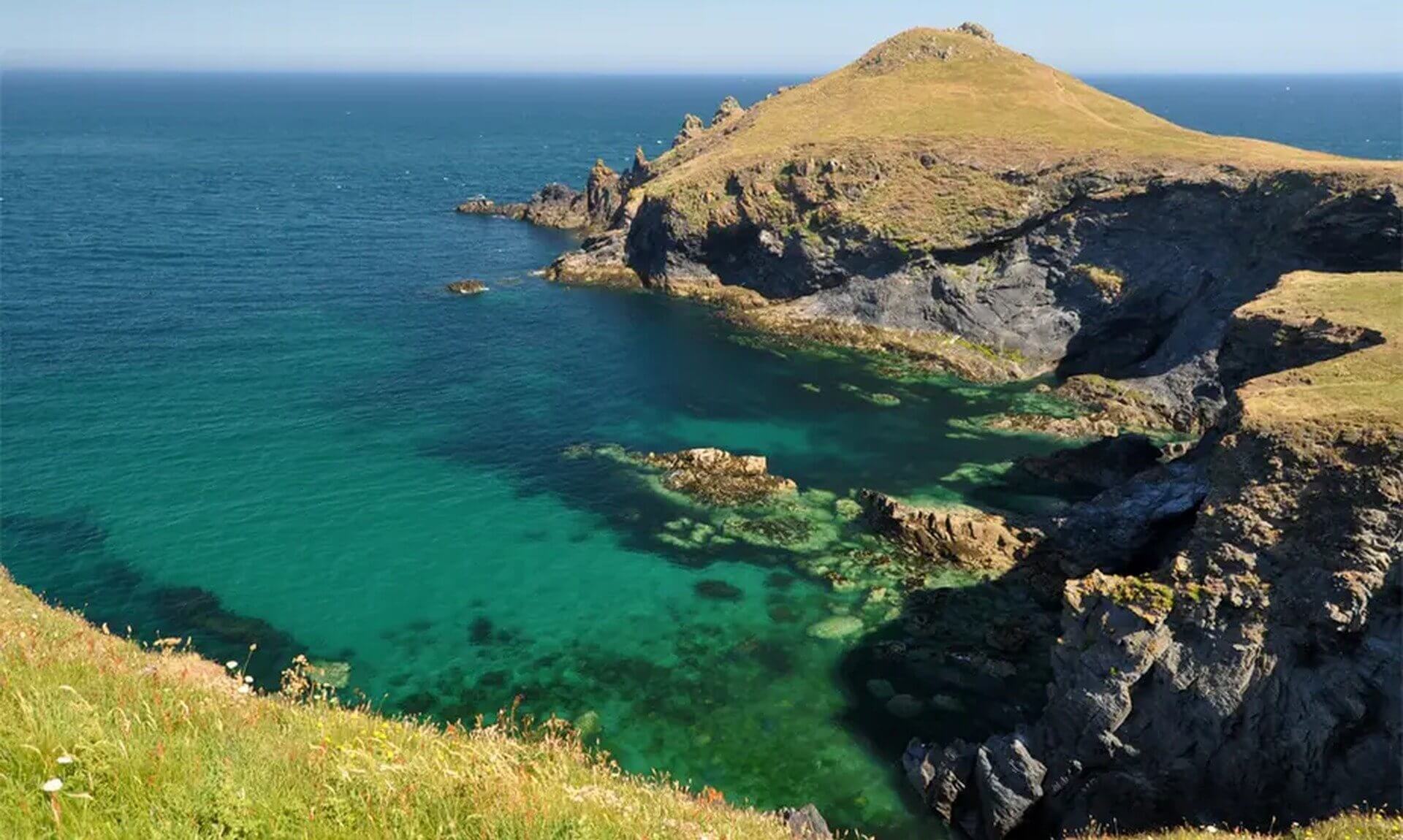
The South West Coast Path is England’s longest waymarked trail, 630 miles from Minehead in Somerset round the toe of the country to Poole in Dorset. It began as a patrol route for coastguards watching for smugglers, which is why it hugs every cove and headland, and a huge share of its finest scenery is in Cornwall. The good news is that you do not need to walk all of it, or even a whole day of it.
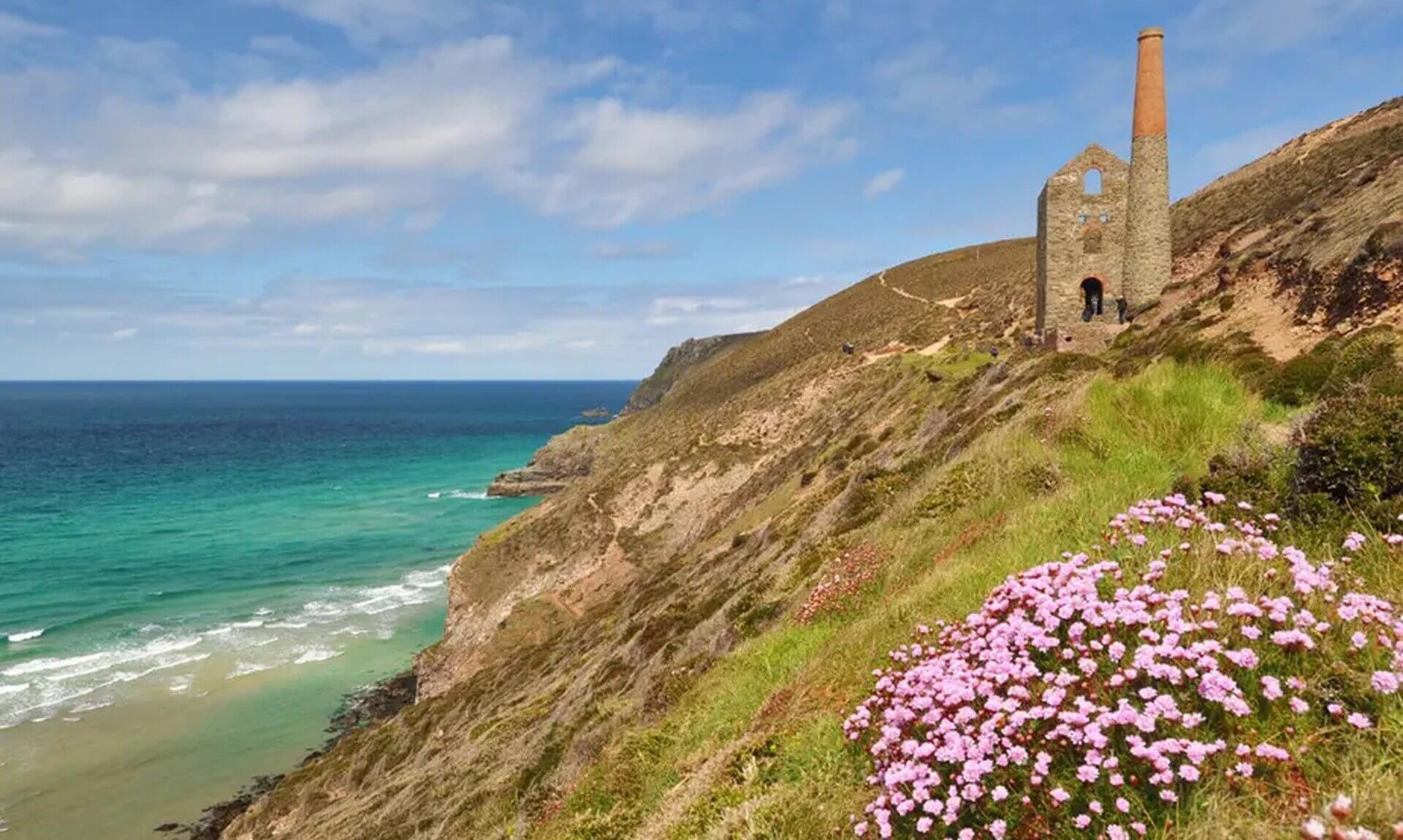
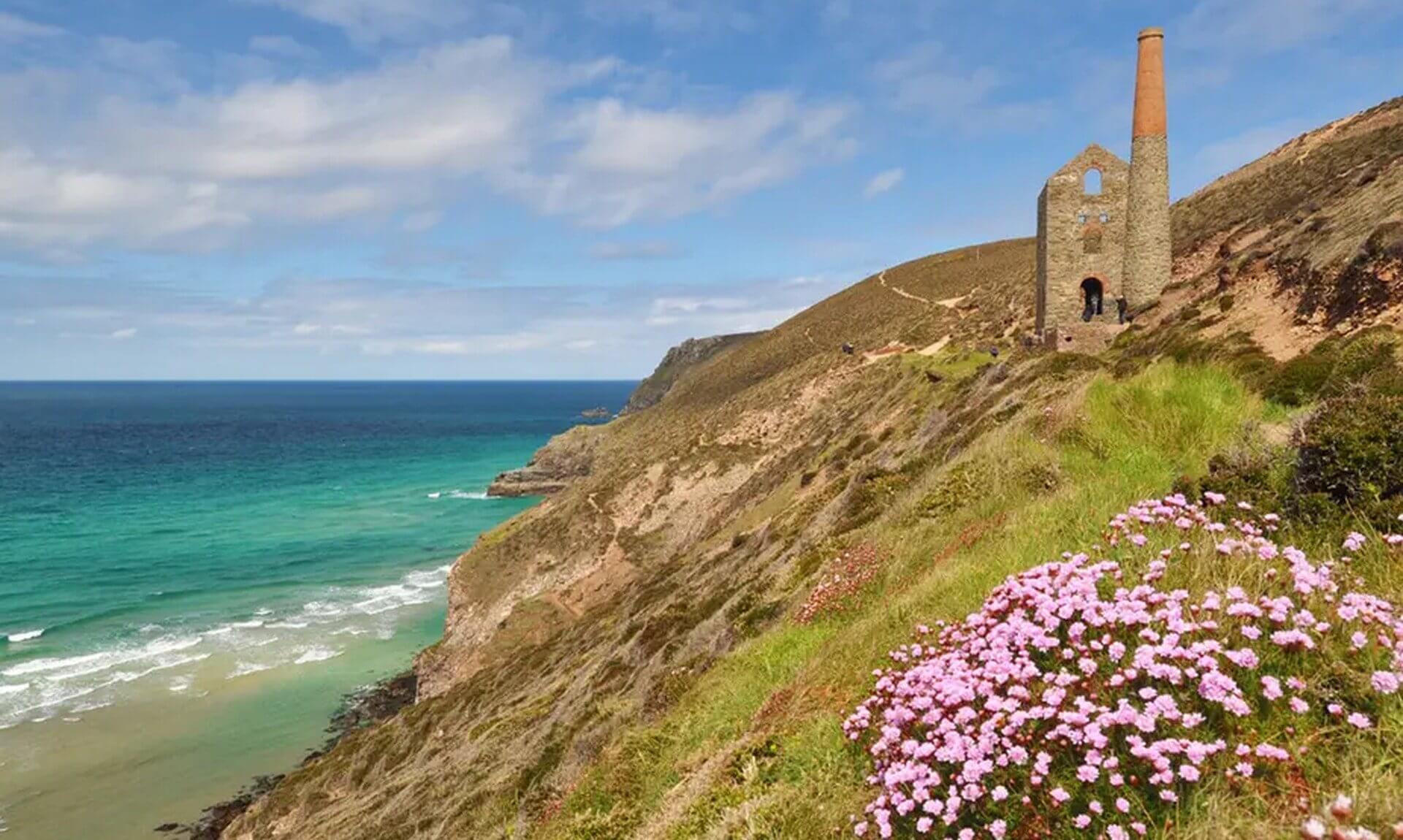
Pick a section to match the mood. The Lizard peninsula, the most southerly point in Britain, gives you wildflowers, rare serpentine rock and the turquoise water below Kynance Cove. The stretch either side of Land’s End is raw Atlantic drama. The north coast around St Agnes runs past old tin-mine engine houses perched on the cliff edge, the ones you may recognise from Poldark. The Roseland peninsula on the south coast is gentler and greener.
To make it easy, most sections work as a linear half-day walk between two villages, with a bus or a booked taxi to get you back to the car. The path is signed the whole way with the National Trail acorn symbol. Wear proper footwear, take water and a waterproof, check the forecast, and allow far more time than the flat mileage suggests, because the constant climbing in and out of valleys is what tires your legs and eats the clock.
6. Land’s End
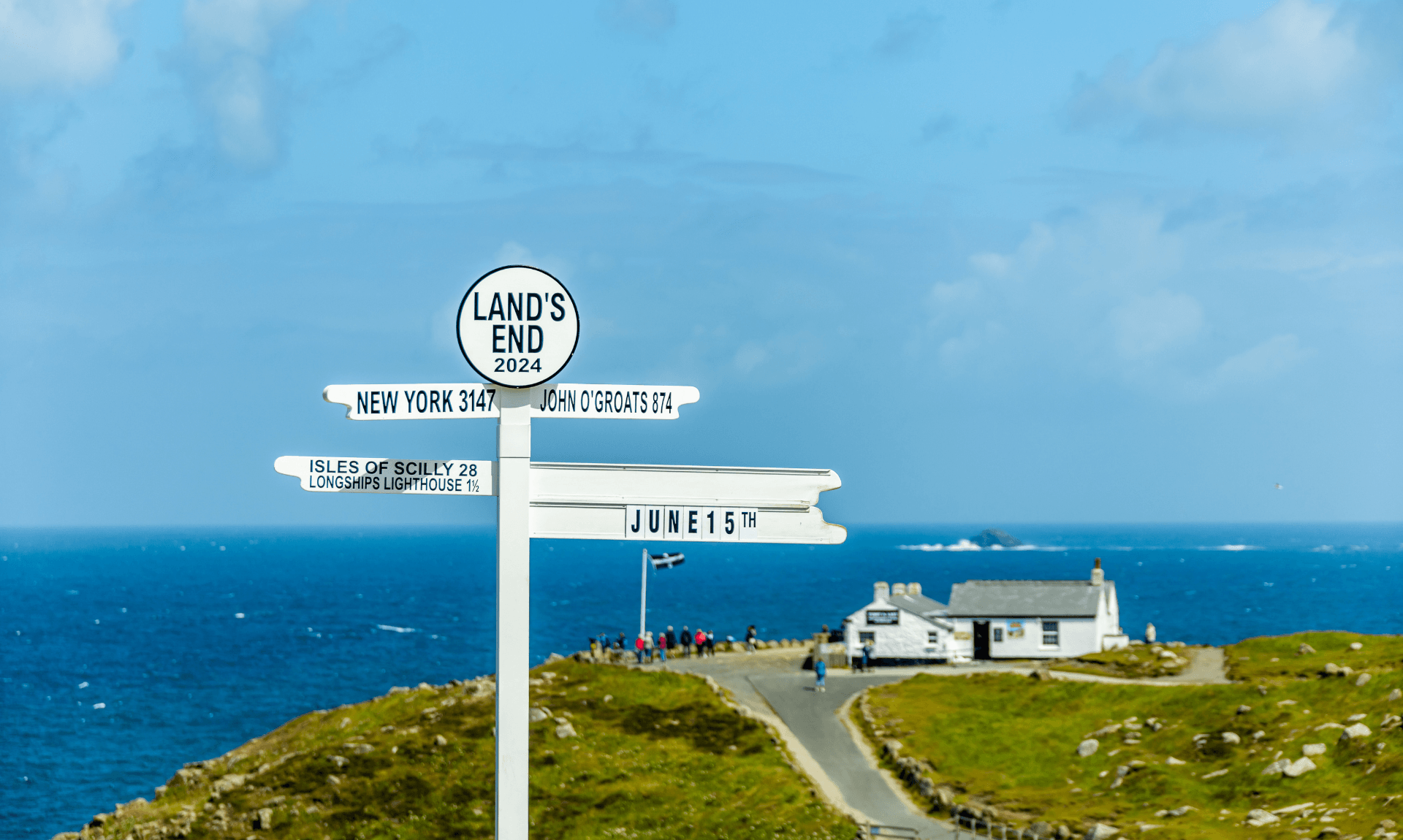
The most westerly point of mainland England is a genuine pilgrimage, and for a lot of visitors the real reward is the walk out along the cliffs on either side, where choughs wheel over the drop and the Longships lighthouse blinks a mile offshore, as it has since the eighteenth century. At the tip itself stands the famous signpost, where a photographer will set the mileage arms to your home town and to John O’Groats, 874 miles away at the other end of Britain, and take your picture for a fee.
Around the signpost is a small resort run by Land’s End Landmark, with pay-as-you-go family attractions including a 4D cinema, an interactive Aardman experience (from the Wallace and Gromit studio), and Greeb Farm, a restored farmstead with animals to meet a short walk along the headland. There is a hotel, shops and places to eat. None of it needs pre-booking.
How it works: entry to the site is free, and you pay only for parking (bought on the day) and for any attractions you choose to go into. Come early or late to miss the coach crowds. Better still, walk twenty minutes north along the coast path to Sennen Cove and the long golden beach of Whitesand Bay, which many people prefer to the landmark itself. The address is Sennen, Penzance, TR19 7AA, at the very end of the A30.
Your daily dose of Cornwall
News, events and goings on across the Duchy
7. Padstow and the Camel Trail
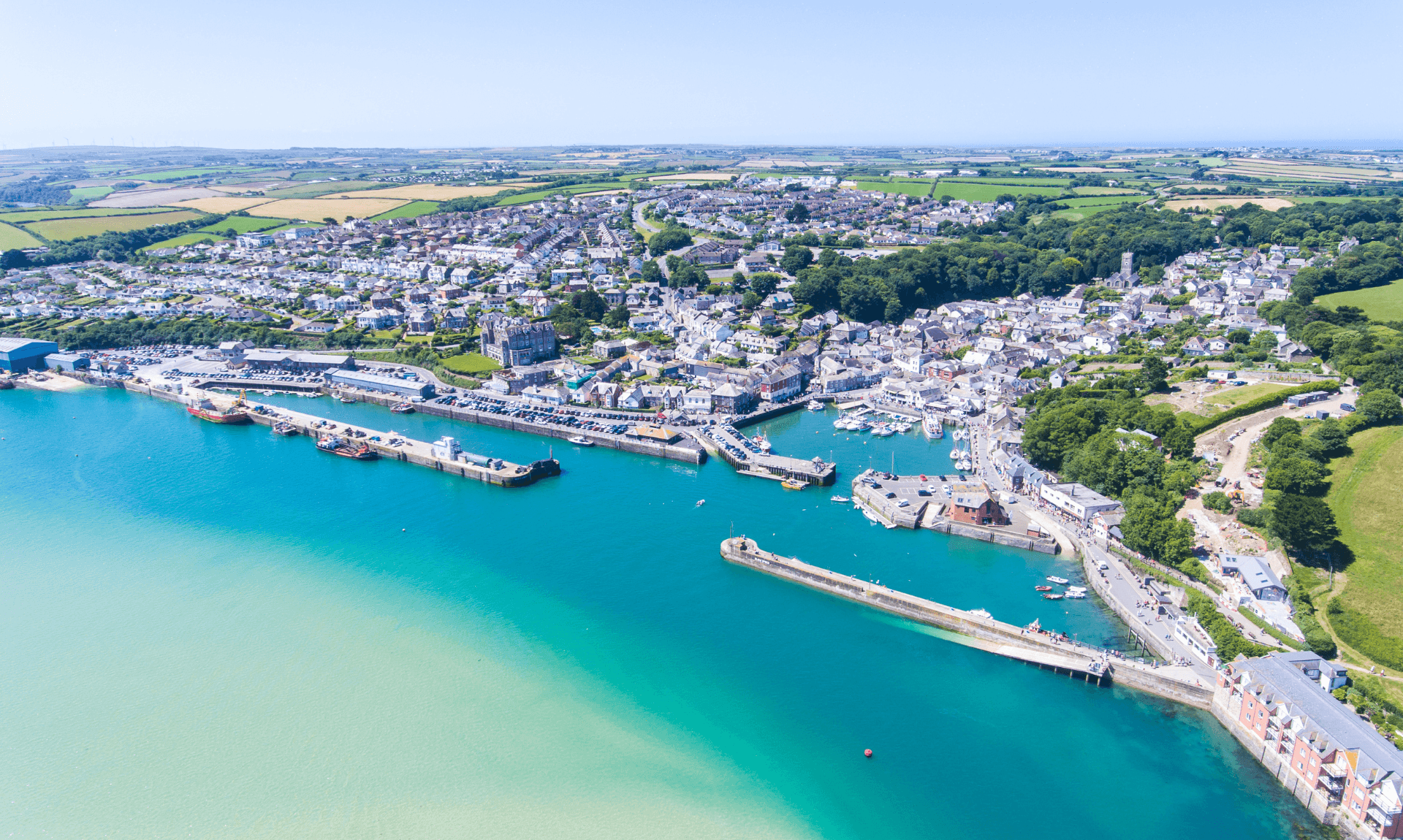
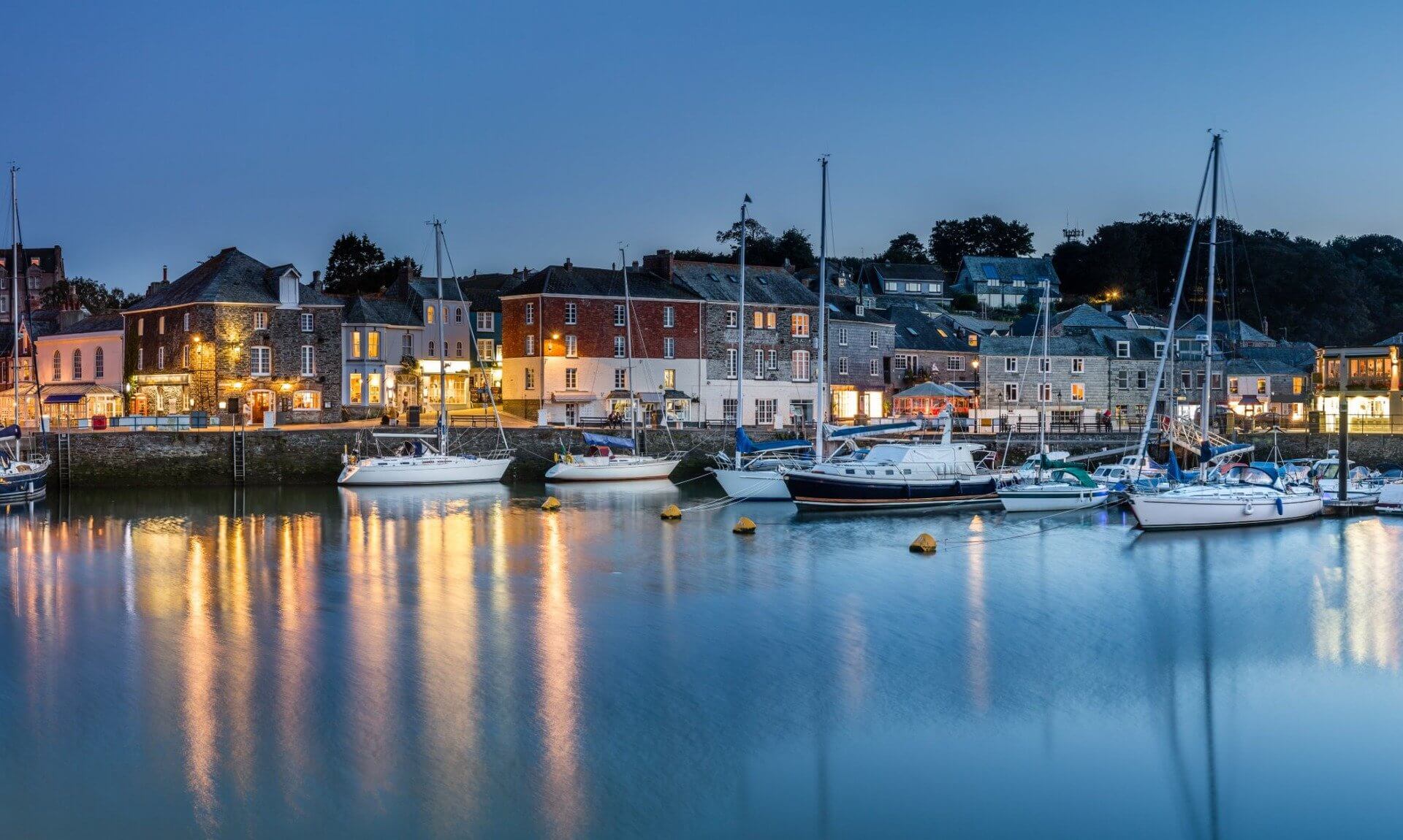
Padstow is a working fishing town on the Camel Estuary whose name comes from Petroc-stow, after the Celtic saint who founded a monastery here. It is best known now for food. Rick Stein opened his first restaurant in the 1970s and slowly built up a seafood restaurant, bistro, chippie, café and deli, to the point that people nickname the place Padstein. Paul Ainsworth’s No.6 won a Michelin star in 2013. You can eat very well here without spending a fortune, since the harbourside fish and chips are excellent and there is a pasty shop on most corners.
There is more to it than eating. Throw a crab line off the harbour wall, catch the little Black Tor ferry across to the smart village of Rock in about ten minutes, or walk up to Prideaux Place, an Elizabethan manor from 1592 that has stayed in the Prideaux-Brune family for fourteen generations and looks over a deer park to the estuary. The National Lobster Hatchery on the harbour is a quick, family-friendly stop. If you come on May Day you will catch the Obby Oss, an ancient and slightly wild festival where two masked hobby horses, the Old Oss and the Blue Ribbon Oss, dance through packed streets from morning to night.
The nicest way to arrive is by bike. The Camel Trail follows a disused railway line for 18 flat, traffic-free miles between Padstow, Wadebridge, Bodmin and Wenford Bridge, with wide estuary views on the Padstow to Wadebridge stretch (about five and a half miles each way). Hire bikes at either end. In Wadebridge, Bridge Bike Hire and Camel Trail Cycle Hire sit right on the trail, and Padstow Cycle Hire is by the harbour. All stock e-bikes, tandems, child seats and trailers. Book ahead in the school holidays, when bikes sell out. Because it is genuinely flat, it suits young children and rusty riders, and the estuary sandbank offshore, the Doom Bar, is the one the famous beer is named after.
8. Tintagel Castle
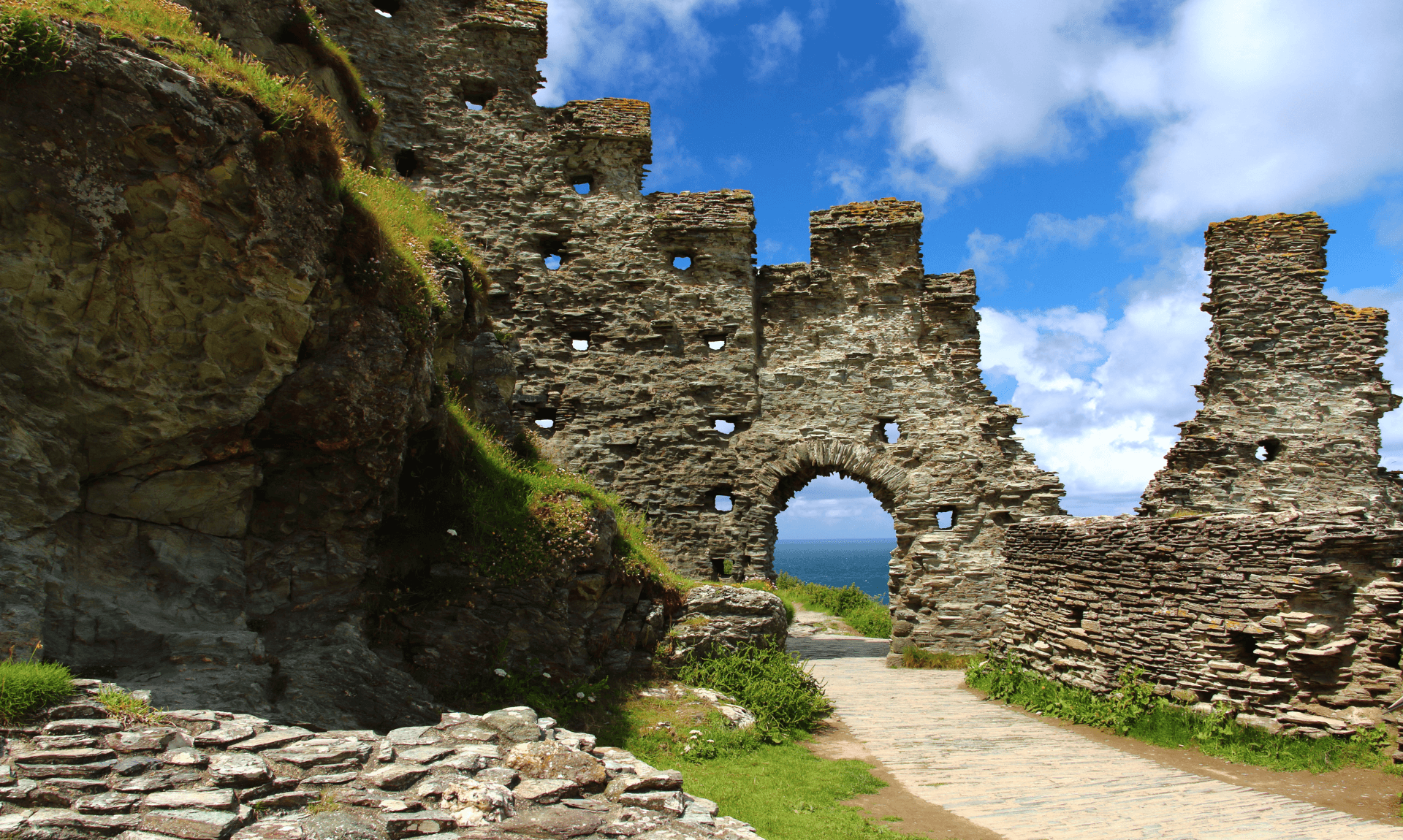
Tintagel is where history and legend blur. The headland was a high-status stronghold of Cornish rulers between the fifth and seventh centuries, trading with the Mediterranean, and in the 1230s Richard, Earl of Cornwall, built a castle here largely because the twelfth-century writer Geoffrey of Monmouth had named the spot as the place King Arthur was conceived. The ruins spread across a mainland cliff and a rocky island, split by a chasm where the medieval land bridge fell away. In 2019 English Heritage reconnected the two halves with a striking steel-and-slate footbridge that hangs over a sixty-metre drop, with a deliberate 40mm gap at its centre marking the join between mainland and island, present and past.
On the headland, look for Gallos, a haunting life-size bronze of a crowned, part-transparent king inspired by the Arthurian story. Down on the beach below, reachable at low tide, is Merlin’s Cave, which runs right through the base of the island. There are a lot of steep steps, so this is a proper leg-stretch rather than a stroll.
The castle is run by English Heritage, so members enter free and everyone else should book online for the best price. Note it is English Heritage and not National Trust, so a Trust card will not get you in. Keep dogs on a lead near the cliffs, and allow a couple of hours. The village above is worth time too. King Arthur’s Great Halls, built in the 1930s for a chivalric society, holds a round table and 72 stained-glass windows telling the legend, the medieval Old Post Office is a lovely National Trust cottage, and a mile inland the woodland walk to the 60-foot waterfall at St Nectan’s Glen, via Rocky Valley, is one of the prettiest short walks on the north coast.
9. Learn to surf at Fistral, Newquay
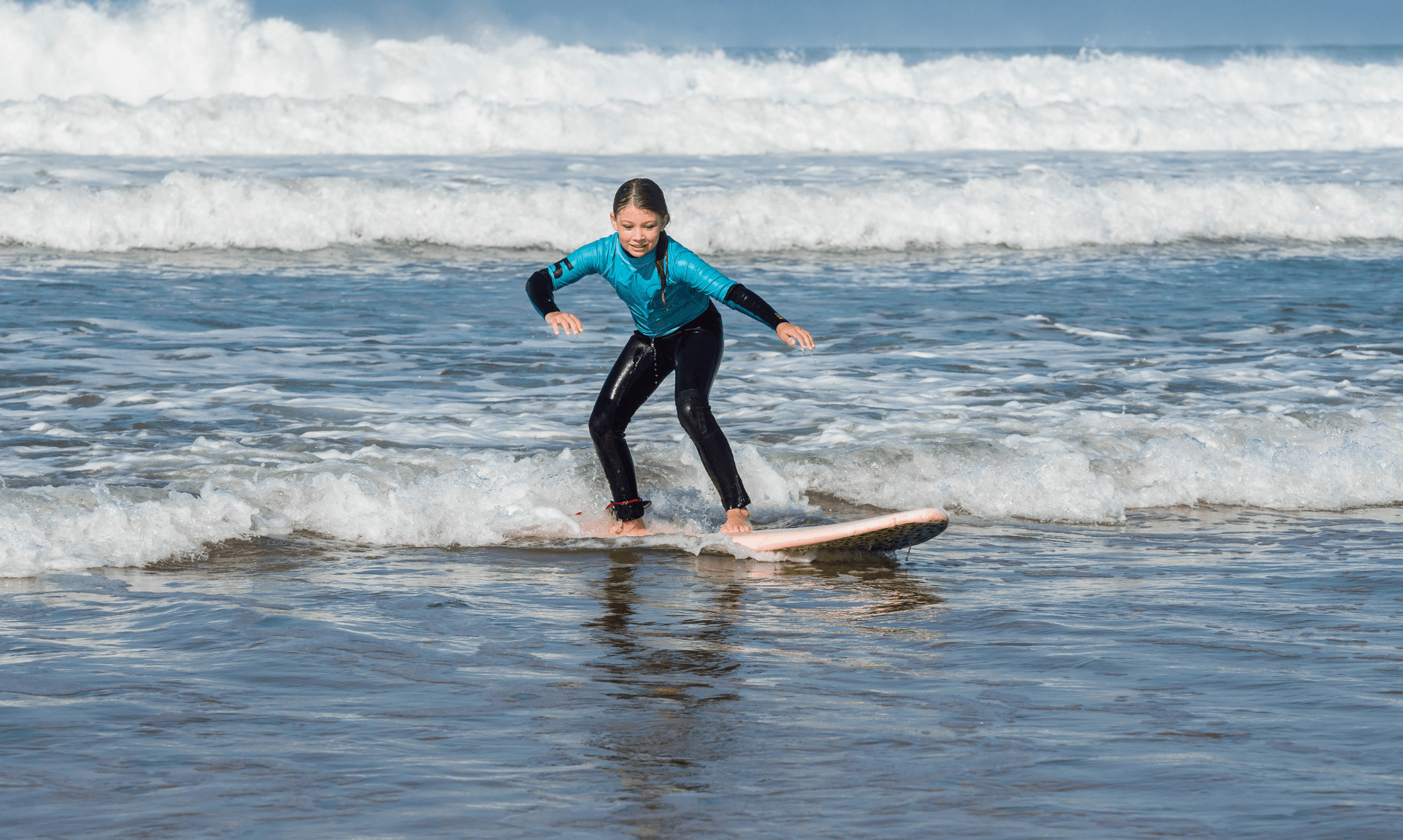
Newquay is the capital of British surfing, and Fistral Beach is its signature break, a wide, west-facing sweep of sand below the Victorian bulk of the Headland Hotel. The waves here are consistent enough to have hosted national and international competitions for decades, and each August the beach is the heart of Boardmasters, the surf and music festival that fills the town. Offshore, a reef break called the Cribbar throws up the biggest waves in Cornwall, surfed by a brave few.
For everyone else, the southern end of Fistral is gentler and packed with surf schools that run lessons and hire out boards and wetsuits, so a complete beginner can be standing up on a foam board within a couple of hours. Book a lesson ahead in summer. If Fistral is heaving, the coast nearby has plenty of options. Watergate Bay just up the road is a long, family-friendly beach with its own surf school, and Polzeath further north is a classic learners’ beach. When the weather turns, the Blue Reef Aquarium in town and the dramatic rock stacks of Bedruthan Steps down the coast make good backups.
Two safety points that matter. Fistral is lifeguarded from Easter to the end of October, and you should always swim and surf between the red and yellow flags, where the lifeguards are watching. Check the tide and never go out alone if you are new to it. Rip currents are the real danger on this coast, and the flags exist to keep you clear of them.
Your daily dose of Cornwall
News, events and goings on across the Duchy
10. Sit down for a proper Cornish cream tea
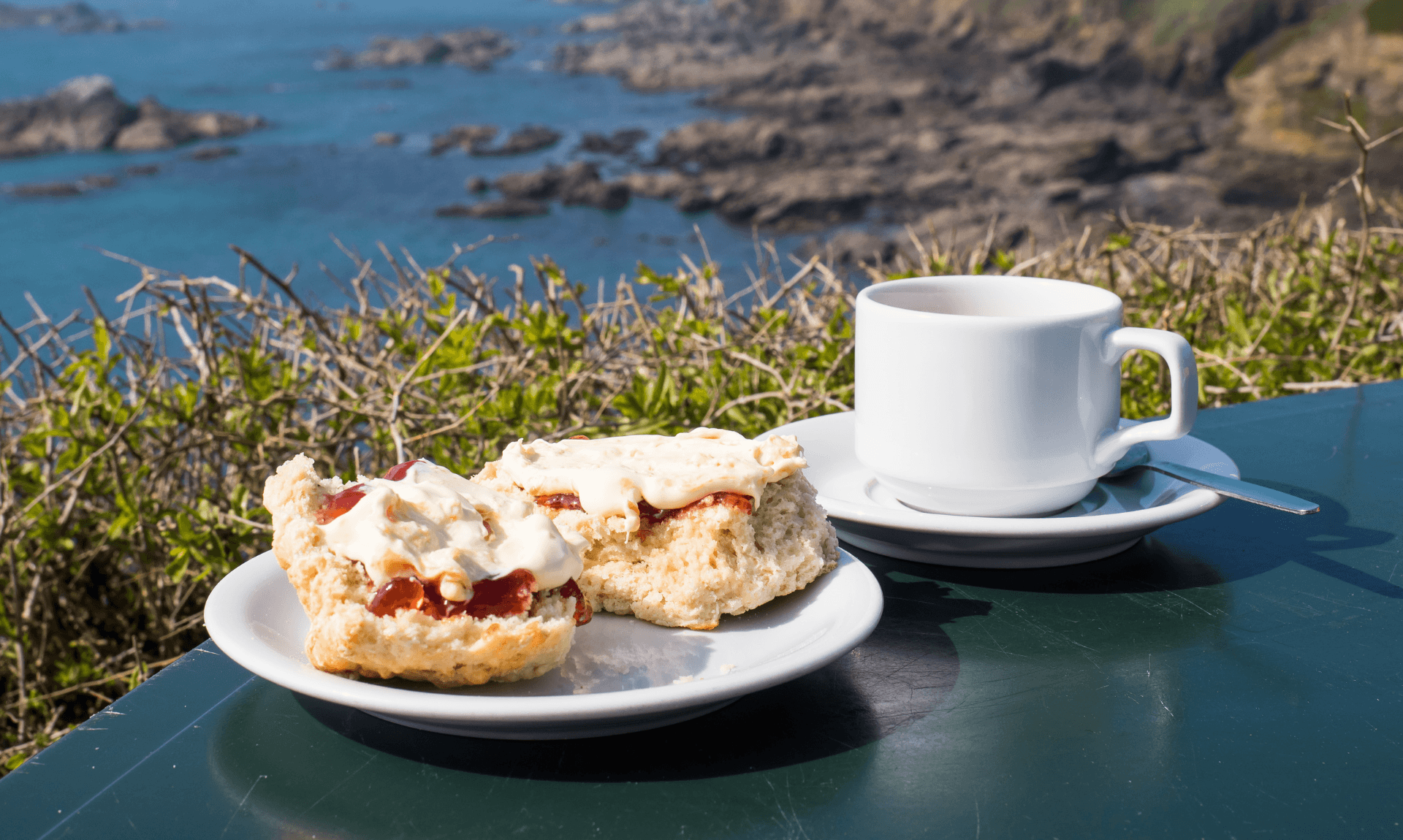
Scones, strawberry jam, thick clotted cream and a pot of tea. Simple, and the subject of a genuine border dispute. The Cornish way is jam first, then a spoon of cream on top, which is the exact reverse of how they do it in Devon, and people here will happily tell you the Devon method is wrong. Cornish clotted cream carries protected status, so the real thing, gently crusted and golden, is easy to find, from harbour cafés in Fowey and Boscastle to farm tearooms down single-track lanes. Order two scones. You are on holiday, and it is rude to argue with tradition.
A few more worth your time
Ten was never going to cover it. These all slot easily into a wider trip.
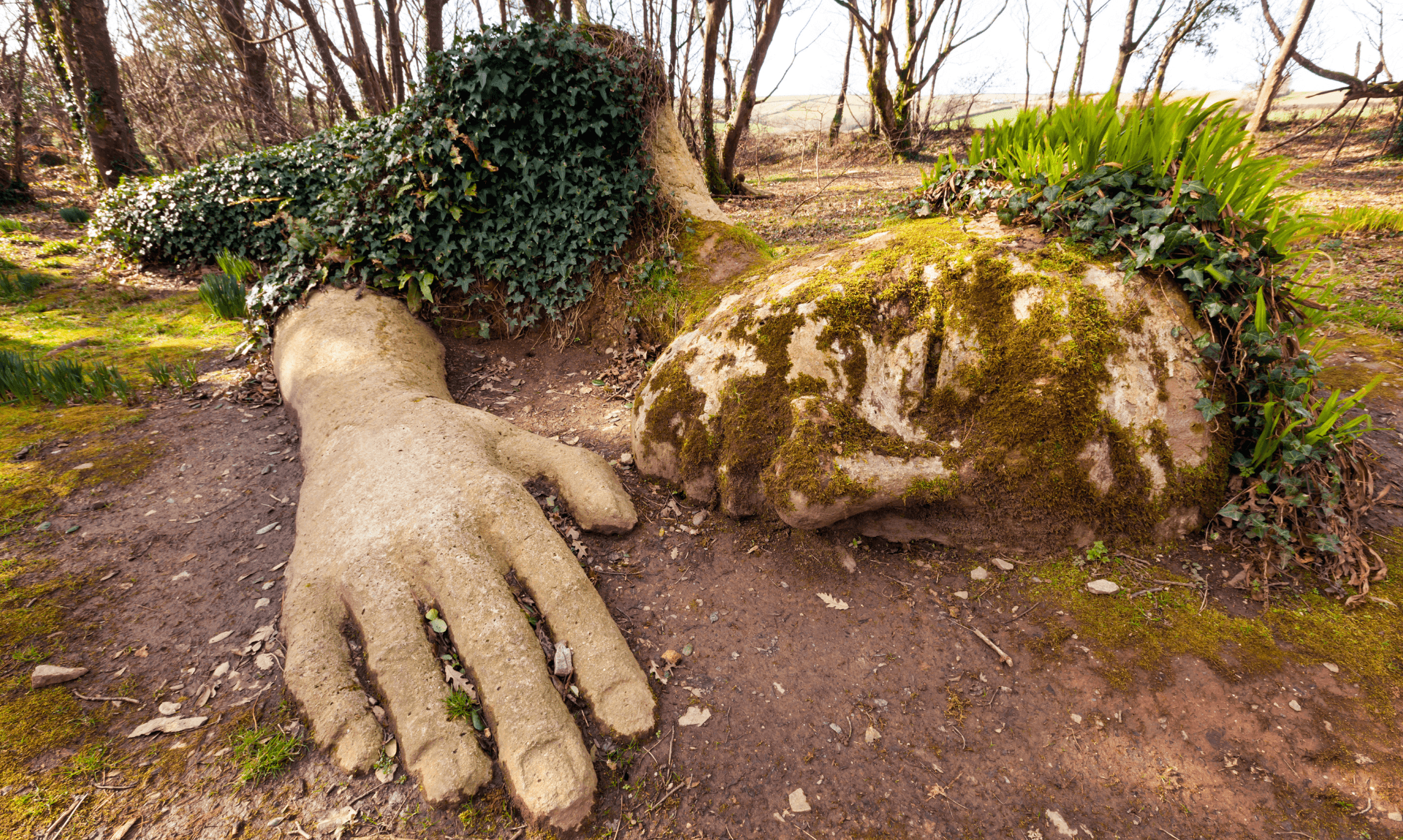
The Lost Gardens of Heligan near Mevagissey, 200 acres of Victorian gardens that lay abandoned for most of the twentieth century before a restoration begun in 1990 brought them back. Wander the walled productive gardens, the sub-tropical Jungle valley with its rope bridge and the famous living-plant sculptures, and meet rare-breed farm animals. It was Tim Smit’s project before Eden.
A day trip to the Isles of Scilly, 28 miles off Land’s End, where the water turns Caribbean blue and there is barely a car in sight. Get there on the Scillonian III ferry from Penzance (about two hours forty-five minutes) or a fifteen-minute Skybus flight from Land’s End Airport, both bookable through Isles of Scilly Travel.
Kayaking or paddleboarding on the calm, wooded creeks of the Helford or Fowey estuaries, a soft-water contrast to the Atlantic surf, with hire and guided trips at both.
Kynance Cove on the Lizard, often called the most beautiful beach in Britain, with white sand, serpentine stacks and turquoise water at low tide.
Charlestown near St Austell, a preserved Georgian harbour built for the clay trade, often filled with tall ships and a regular stand-in for period dramas including Poldark.
Now go and enjoy Cornwall
However you plan it, a Cornwall holiday tends to give you more than the sum of its stops. You will remember the big days out, the biomes and the clifftop theatre and the castle across the water. But you will remember the small things just as fondly. The pasty eaten warm on a harbour wall. The first cold shock of the sea, and the way the light turns gold over the water in the evening. A wrong turn down a lane that opens onto a cove you have all to yourself. The pod of dolphins someone spots from the coast path, or the seal that pops up beside your paddleboard.
That is the real pull of this place. You can fill every day with the famous names from this list and have a wonderful time. You can also do very little, sit on a beach, walk a headland, eat well, and have an even better one. Cornwall rewards both. Slow down, follow your nose, chat to the locals, and let the plan bend when the weather or a good tip says it should.
So book the tickets you need to book, pack a waterproof whatever the forecast says, and come with an appetite for scenery, seafood and scones. From all of us here, we hope you have a brilliant time exploring our corner of the country, and that it gives you the kind of holiday you talk about for years. Enjoy every single minute of it. Cornwall has a habit of getting under your skin, and most people find that once is never quite enough.
Share This Story, Choose Your Platform!
To keep up with the latest cornish news follow us below
Follow CornishStuff on Facebook - Like our Facebook page to get the latest news in your feed and join in the discussions in the comments. Click here to give us a like!
Follow us on Twitter - For the latest breaking news in Cornwall and the latest stories, click here to follow CornishStuff on X.
Follow us on Instagram - We also put the latest news in our Instagram Stories. Click here to follow CornishStuff on Instagram.
- 1
- 2
- 3
- 4
- 5
- 6




You Might Also Be Interested In




Discover More In Cornwall


Daily Cornish news by email
The latest daily news in Cornwall, sent direct to your inbox.