The hand dryer myth and five more busted for Global Handwashing Day
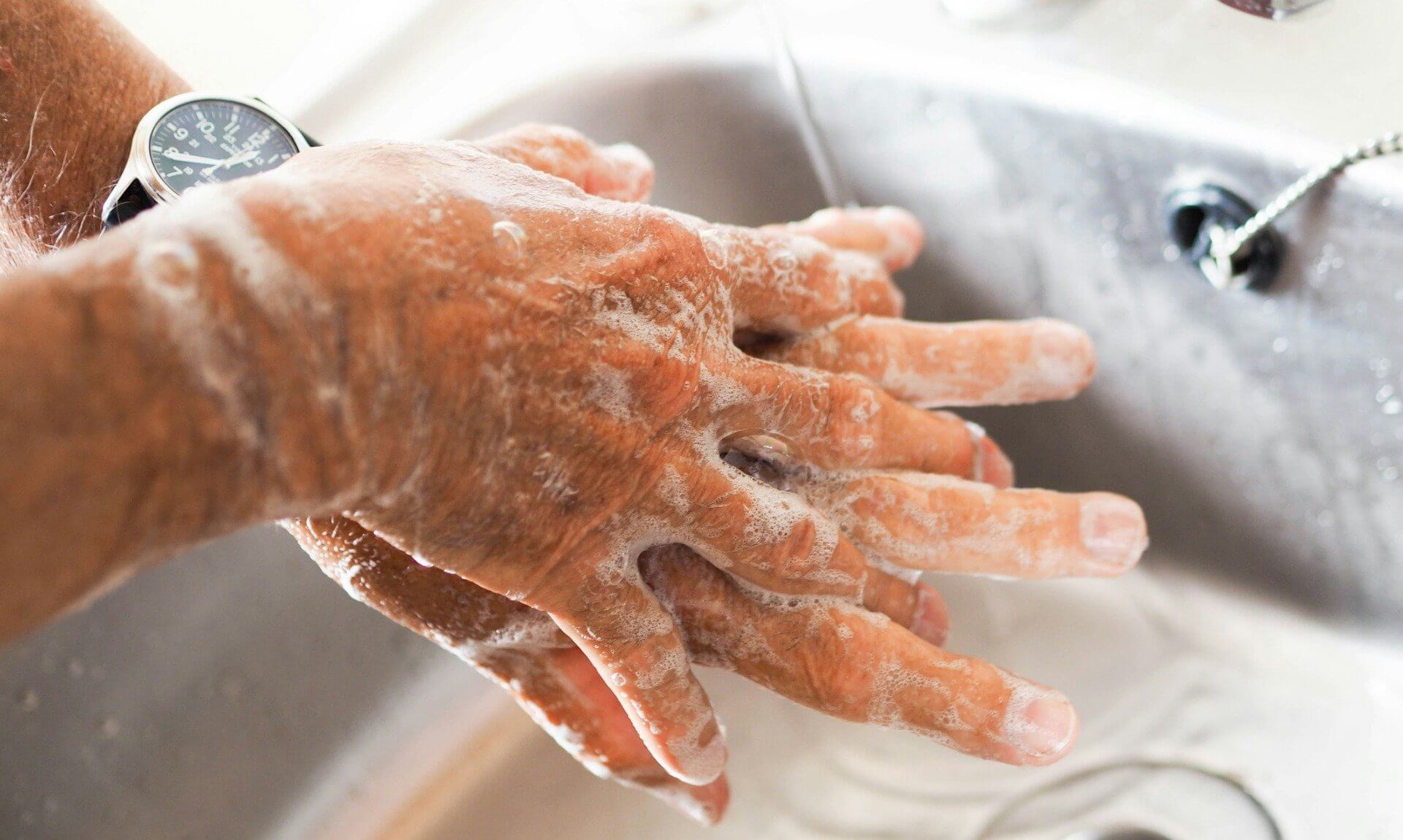
You lather up, rinse off, and stick your hands under the roaring dryer on the way out. Job done? Maybe not. Today, Thursday 15 October, is Global Handwashing Day, and a food hygiene training firm says a few of the habits we trust most are not doing what we think they are.
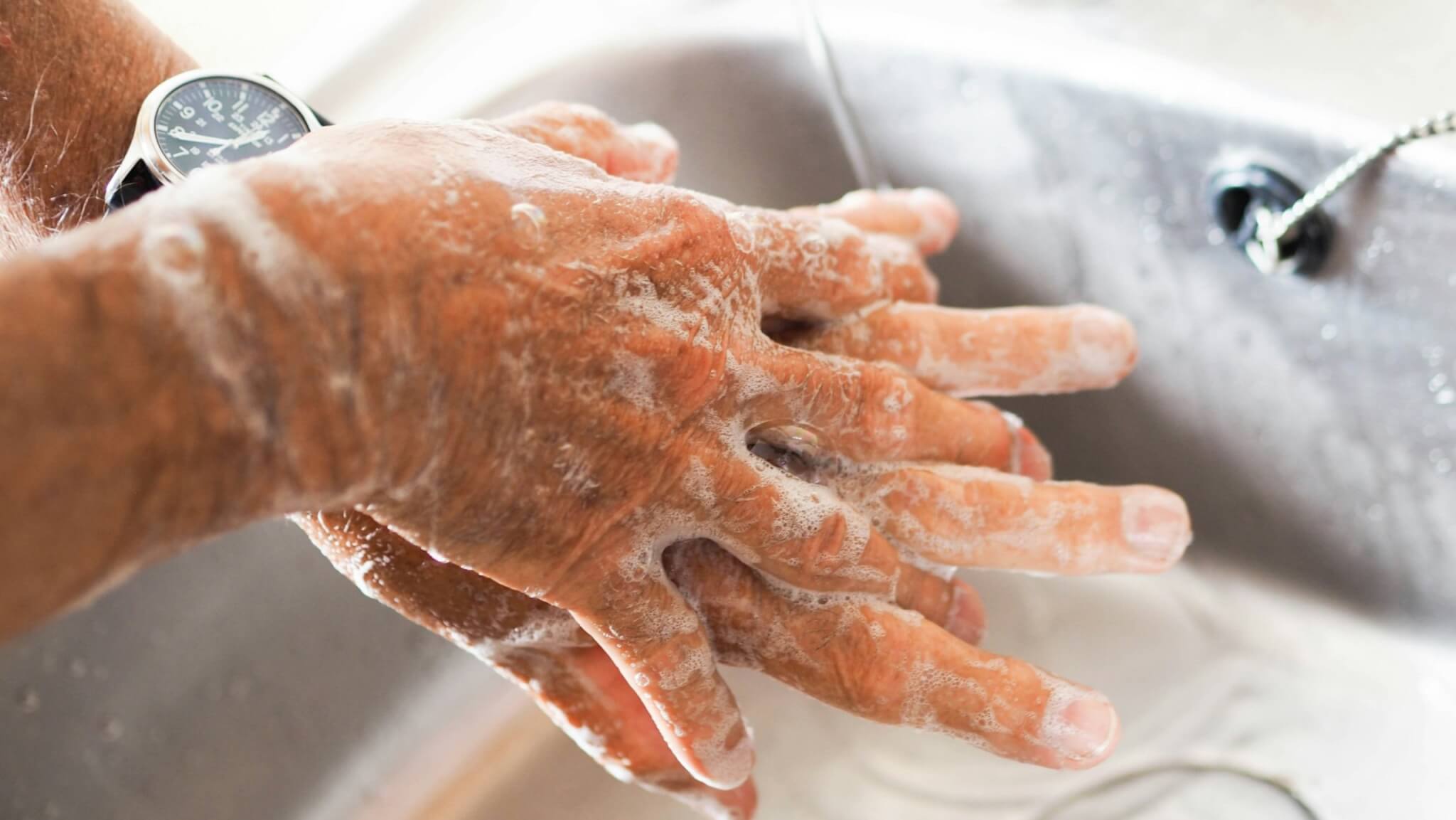
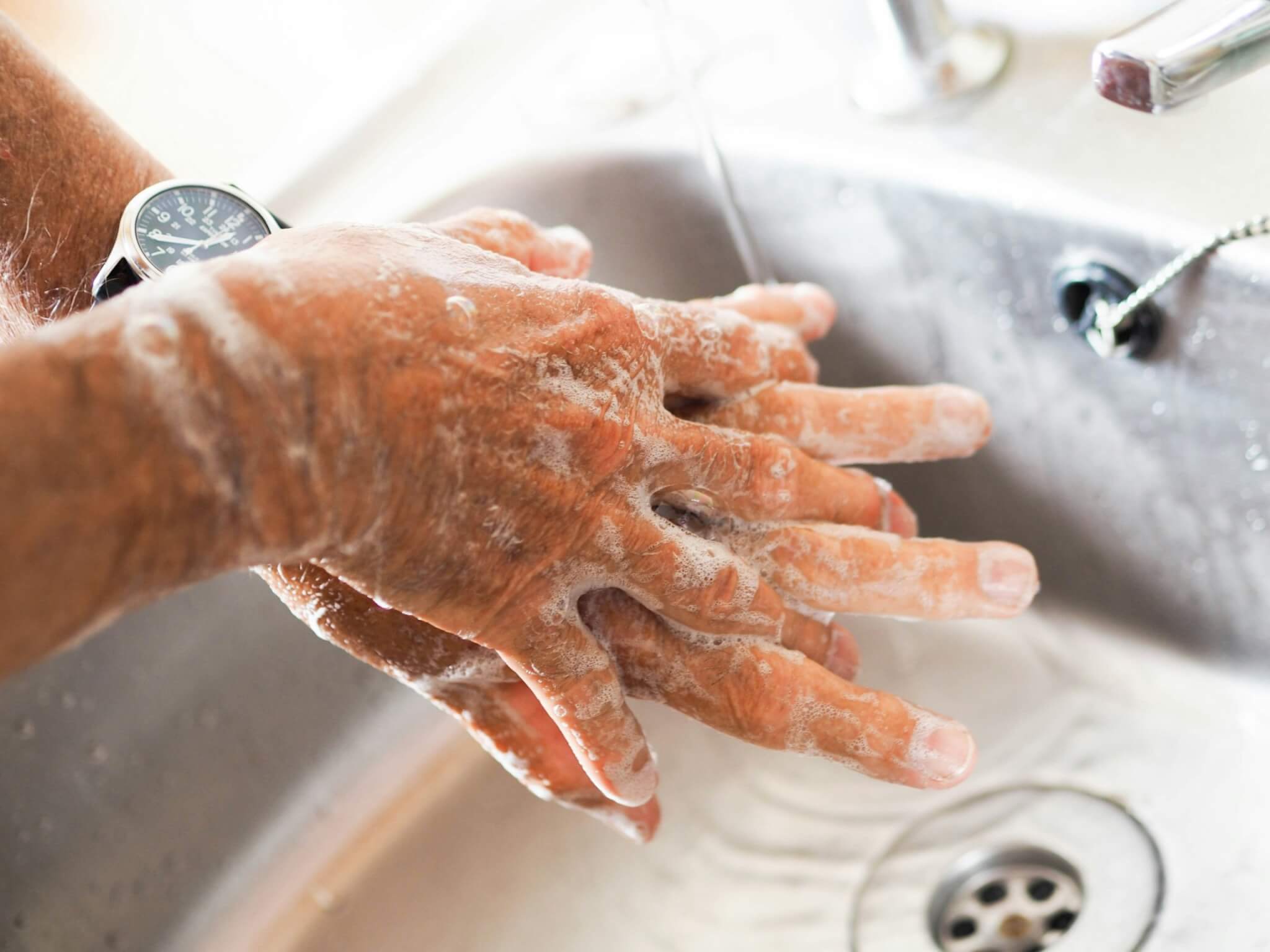
The day is designed to raise awareness of good hand hygiene and encourage people to use proper handwashing technique. Clean hands help control bacteria and limit the spread of viruses, which matters for your own health and for everyone around you.
The team at High Speed Training, which runs food hygiene training courses, has picked out six popular myths about washing your hands.
Your daily dose of Cornwall
News, events and goings on across the Duchy
Myth 1: wearing gloves beats washing your hands
Dr Richard Anderson, Director of Learning at High Speed Training, said: “Wearing gloves can actually be less safe and less hygienic than not wearing them. Bacteria can multiply quickly on gloved hands, which can easily spread onto your hands if the glove is punctured or taken off.
“Gloves can also carry bacteria on them, and that bacteria can transfer onto anything you touch, which can cause cross contamination or issues with allergens.”
Richard said gloves are fine to wear, but hand washing is still the most proven way of limiting contamination of food, surfaces and other objects. “If you do wear gloves, ensure that you change them frequently, wash your hands thoroughly in between glove changes, and wear gloves that are food grade if you are preparing food.”
Myth 2: the hotter the water, the better
Hot water on its own does not kill bacteria or viruses. Soap is what does the work. So warm water, as warm as you find comfortable, plus soap is effective enough to keep yourself safe.
The recommended water temperature for hand washing is between 35°C and 45°C.
Myth 3: hand dryers are the most hygienic way to dry off
This is the one that may surprise people most. “While they may be common in toilets and bathrooms up and down the country, hand air dryers can actually increase the amount of bacteria on your hands after you’ve washed them,” said Richard.
“The inside of hand dryers are moist environments, meaning that they are the perfect environment in which bacteria can grow. Then, when air is released from the dryer to dry your hands, this air can be filled with bacteria.
“Germs can be transferred more easily to and from wet hands than dry hands. The safest way to dry your hands is by using disposable paper towels, as these help to prevent harmful bacteria and viruses from getting back onto your hands.”
Your daily dose of Cornwall
News, events and goings on across the Duchy
Myth 4: sanitiser can always stand in for a wash
If there is nowhere to wash your hands, an alcohol-based sanitiser or gel is the next best thing, as it will still get rid of harmful bacteria. To be effective it should contain at least 60% alcohol.
But it struggles on dirty or greasy hands, where it cannot remove bacteria to the same level as a proper wash. The alcohol can also dry out your skin, and bacteria are harder to shift from dry skin because they get stuck in the cracks and openings.
Myth 5: as long as there’s soap, time doesn’t matter
“The length of time that you wash your hands for is actually very important,” said Richard. “The NHS recommends that you wash your hands for 20 seconds, as this is how long it takes to effectively destroy any harmful bacteria or virus that may be on your hands, and allows time for thorough cleaning.”
Myth 6: you only need to wash after the loo or before cooking
We pick up germs from almost everything we touch, so washing frequently, and after certain jobs, makes a real difference. High Speed Training says you should always aim to wash your hands:
- After using the toilet or changing a nappy.
- Before and after touching raw foods, such as meat and vegetables.
- Before eating or handling food.
- After blowing your nose, sneezing or coughing.
- Before and after treating a cut or wound, or giving first aid.
- After touching animals, including pets, their food, or after cleaning out their cages.
- After handling rubbish or recycling.
That last one is easy to forget, and the bin is rarely the cleanest thing in the house.
Read Next
- TruroA cable tie left on a lamp post after an event.
Share This Story, Choose Your Platform!
To keep up with the latest cornish news follow us below
Follow CornishStuff on Facebook - Like our Facebook page to get the latest news in your feed and join in the discussions in the comments. Click here to give us a like!
Follow us on Twitter - For the latest breaking news in Cornwall and the latest stories, click here to follow CornishStuff on X.
Follow us on Instagram - We also put the latest news in our Instagram Stories. Click here to follow CornishStuff on Instagram.
- 1
- 2
- 3
- 4
- 5
- 6